


Pakistan and US take contrasting paths on AI policy
 Rabbia Zafar
|
2 weeks ago
Rabbia Zafar
|
2 weeks ago

A comparison between artificial intelligence (AI) strategies in the United States and Pakistan highlights significant differences in regulatory approach, infrastructure planning, and technological readiness.
In March 2026, the White House introduced a new AI policy framework aimed at promoting innovation while ensuring safety. The policy emphasises that regulation should not hinder competitiveness and advocates a balanced approach between economic growth and risk management.
A key feature of the US strategy is its focus on infrastructure. It recognises AI’s dependence on physical systems such as data centres and energy supply, encouraging on-site and behind-the-meter power generation to avoid burdening public electricity grids. The framework also promotes regulatory sandboxes and improved access to federal datasets to accelerate AI adoption.
Pakistan’s environmental laws failing to keep pace with climate crisis
In contrast, Pakistan’s approach—reflected in its National AI Policy 2025 and Punjab’s recently approved AI roadmap—focuses largely on software development, skills training, and institutional frameworks. Due to energy shortages and limited high-performance computing facilities, AI development in Pakistan remains constrained by infrastructure challenges.
Experts suggest Pakistan could benefit from integrating energy solutions into its AI strategy, such as incentivising private investment in renewable-powered data centres. This would reduce reliance on the national grid and support sustainable growth in the sector.
Another major difference lies in governance. The US policy relies on existing regulatory bodies to oversee AI within their respective domains, while Pakistan is leaning towards establishing new centralised institutions such as AI councils and advisory boards.
Legal frameworks also remain a concern. While the US is actively addressing issues like digital copyright and data protection, Pakistan lacks comprehensive legislation, including a robust data protection law. Analysts warn that without such safeguards, expanding AI systems—especially in public services—could raise serious privacy and ethical concerns.
Overall, while both countries recognise AI as a key driver of future growth, their approaches reflect differing levels of institutional maturity and readiness.
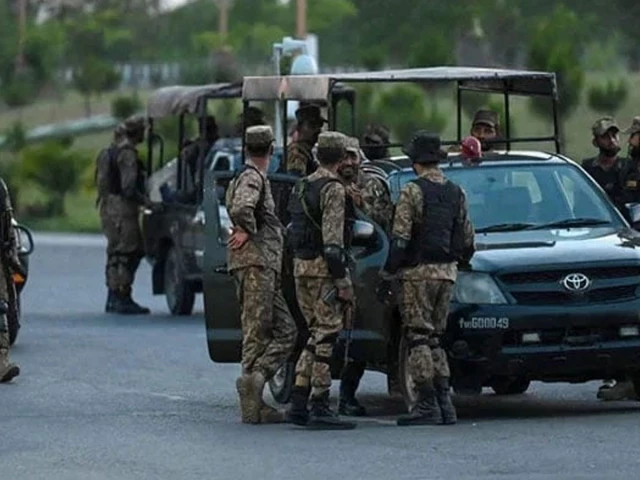
Security forces kill 22 terrorists in Khyber IBO, 10-year-old child martyred

Somali pirates seize oil tanker near Somalia coast, 11 Pakistani crew on board
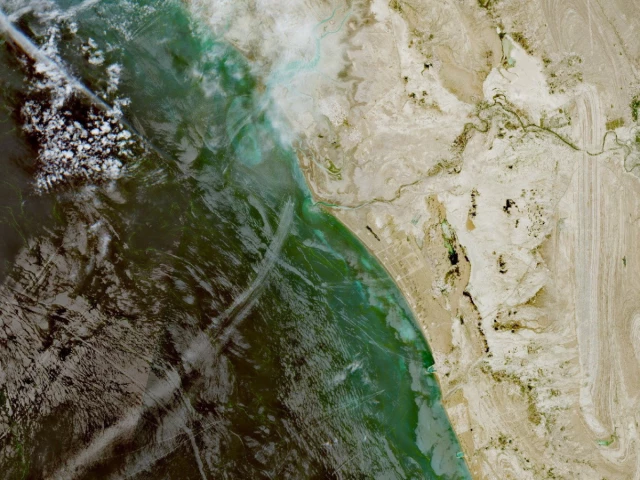
Iran shifts to fast-boat tactics as maritime tensions escalate near Strait of Hormuz



Pakistan’s foreign exchange reserves rise by $18 million in a week

Missing government teacher’s body found in Pakpattan field, police suspect constable

Security forces kill 22 militants in Khyber intelligence-based operation: ISPR


4 minutes ago

17 minutes ago
30 minutes ago

41 minutes ago
57 minutes ago
1 hour ago
- Tensions in the Gulf region have escalated after reports that Iran has increasingly relied on fast-attack boats to intercept commercial…
- US President Donald Trump has warned that the United States could impose heavy tariffs on the United Kingdom if it…
- Asian markets showed a mixed performance on Friday while oil prices continued to rise, as uncertainty surrounding a fragile Middle…
- United States forces have seized an Iranian vessel during an operation in the Indian Ocean, escalating already heightened tensions…


 Federal health authorities have ordered strict nationwide enforcement of a ban on conventional disposable syringes and initiated a policy review…
 Pakistan’s second national anti-polio campaign of 2026 is continuing across the country, with efforts now in its sixth day as…
 A shocking report by BBC has triggered nationwide outrage in Pakistan after alleging severe medical malpractice at a Tehsil Headquarter…
 Pakistan’s second National Anti-Polio Campaign of 2026 is continuing across the country with full momentum, as health workers aim to…





- Security forces and law enforcement agencies killed 22 terrorists during…4 minutes ago
- Pirates off the coast of Somalia have hijacked an oil…17 minutes ago
- Tensions in the Gulf region have escalated after reports that…30 minutes ago
- Two young men were abducted and later killed by unidentified…41 minutes ago