


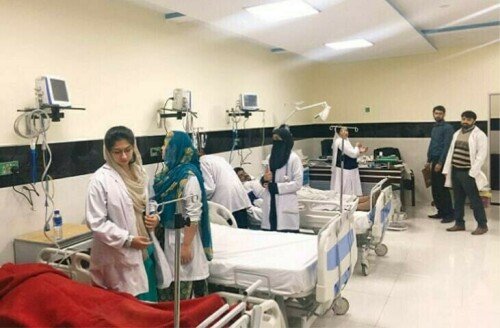
Punjab Government Provides Rs3B Free Treatment for Stroke Patients
 Web Desk
|
1 day ago
Web Desk
|
1 day ago
you may like



11 minutes ago

18 minutes ago

23 minutes ago

29 minutes ago

51 minutes ago

1 hour ago
TRENDING NOW
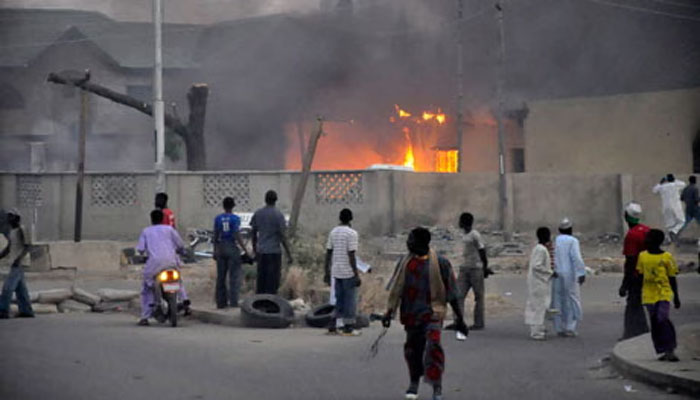
- MAIDUGURI – Armed men attacked Tungan Dutse village in Nigeria’s northwestern Zamfara State on Thursday evening. According to state lawmaker…
- WASHINGTON – The USS Gerald R. Ford aircraft carrier entered the Mediterranean Sea on Friday. The move strengthens American firepower…
- KYIV – Ukrainian President Volodymyr Zelensky said the war has taken a heavy personal toll. He told Agence France-Presse there…
 At least 50 people were killed when gunmen carried out a deadly village attack in Nigeria in Zamfara state. The…
MUST WATCH
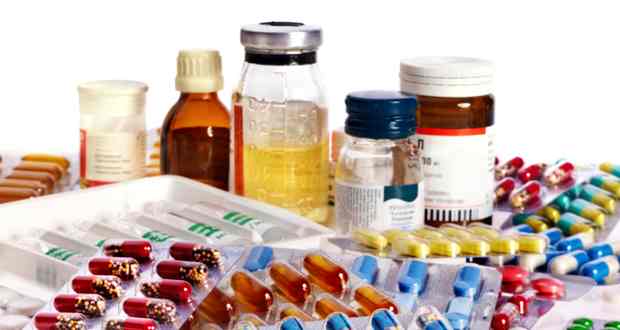
 LAHORE: Punjab Health Minister Khawaja Salman Rafique announced that the Chief Minister’s Stroke Programme will provide free treatment worth over…
 Punjab has reported 1,695 suspected measles cases during the first four weeks of 2026, according to a report submitted to…
 The Punjab government has ordered the recall of two medicines from the market over safety concerns. Authorities identified Cetirizine 10mg…
 ISLAMABAD: Federal Minister Syed Mustafa Kamal directed authorities to establish at least one HIV screening and treatment centre in every…



INNOVATION
- LAHORE – The Government of Punjab has introduced a new…11 minutes ago
- LONDON – Shehbaz Sharif arrived in London on Saturday following…18 minutes ago
- MAIDUGURI – Armed men attacked Tungan Dutse village in Nigeria’s…23 minutes ago
- WASHINGTON – The USS Gerald R. Ford aircraft carrier entered…29 minutes ago