


Vegetable and Fruit Prices Rise After Petrol, Diesel Hike
 Web Desk
|
2 months ago
Web Desk
|
2 months ago
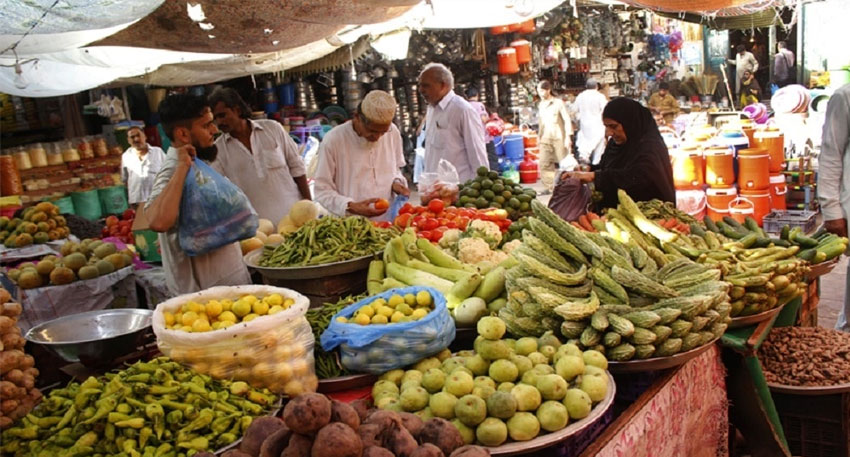
LAHORE: Prices of vegetables and fruits have sharply increased in Lahore following a rise in petroleum product rates. Consumers are facing economic hardships due to the sudden surge. Retail markets are selling items at rates higher than official price lists. There is a noticeable difference between prices in posh areas and street markets. Shoppers are expressing concern over the rising cost of essential food items.
Vegetables are being sold at significantly higher prices. Onion costs Rs90 per kg, tomato Rs120, garlic Rs680, and ginger Rs460. Lemongrass is priced at Rs120, green chillies Rs200, and other greens at Rs80 per kg. Raw peeled potatoes cost Rs40, cucumber Rs70, spinach Rs60, cabbage Rs80, cauliflower Rs70, and turnips Rs50. Seasonal vegetables are now difficult for ordinary consumers to afford.
Other vegetables have also become expensive. Eggplant sells for Rs160, okra Rs350, bell pepper Rs200, peas Rs60, radish Rs40, and mung bean Rs180. Gajardisi is Rs50, Bangan Rs160, and fenugreek Rs80 per kg. Prices are affecting daily household budgets across Lahore. Market vendors say costs rise with fuel prices, impacting transport and supply chains.
Read more : Gold Prices Slide Over 1% Due to Profit-Taking Pressure
As Ramazan approaches, fruit prices have increased significantly. High-quality bananas are Rs250 per dozen, Kinows Rs420, black Kolo Pahari apples Rs575, and black Kolo Maidani apples Rs370. Guava costs Rs200, plums Rs180, pepita Rs560, and Kandhari pomegranate Rs850 per kg. Seasonal fruit remains unaffordable for many families. The rising prices are adding financial pressure ahead of the holy month.
Consumers note a direct link between fuel hikes and food prices. Whenever petrol or diesel prices rise, vegetable and fruit rates immediately increase. Households are struggling to manage essential food expenses. Market experts warn prices may continue rising if fuel costs remain high. The situation highlights the broader economic challenges facing ordinary citizens.

Arrested militant reveals cross-border terror links

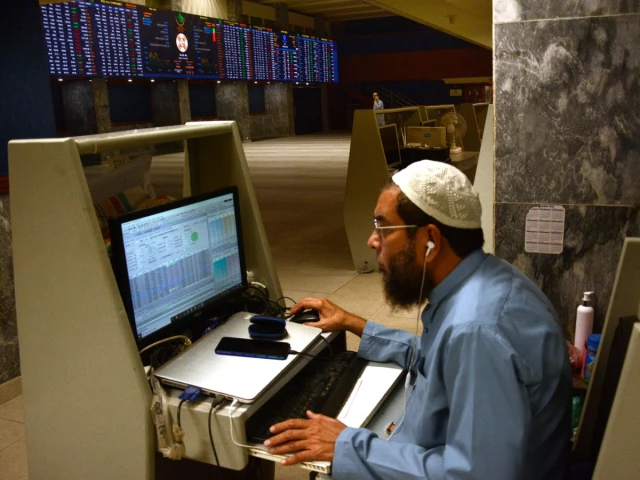
Aurangzeb holds key economic meetings in Washington




1 second ago

5 minutes ago

10 minutes ago

21 minutes ago

25 minutes ago

29 minutes ago
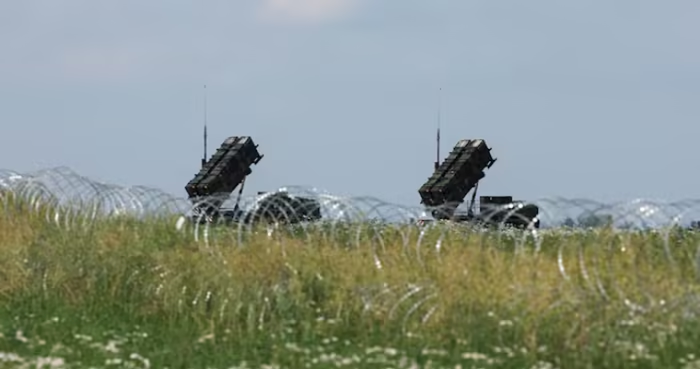
 US officials have informed several European allies that previously contracted weapons deliveries may face delays as the ongoing war involving…
 Yulia Svyrydenko has said she left the United States following what she described as “positive and supportive” talks with senior…
 The United States has announced the termination of a temporary waiver that had allowed India to purchase discounted Russian oil,…
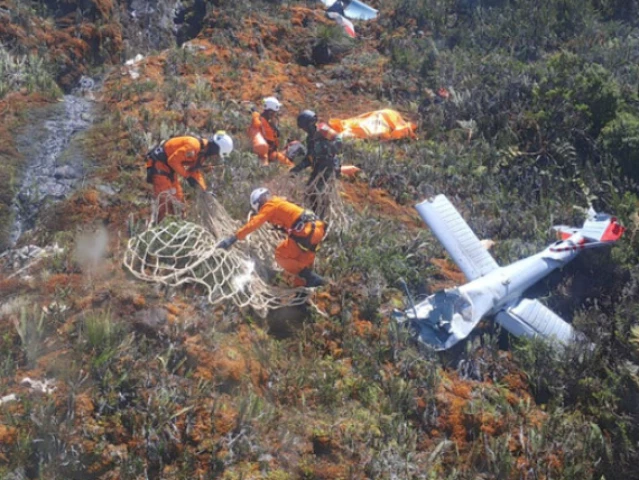
 All eight people on board an Airbus H130 were killed after the aircraft crashed in Sekadau Regency, Indonesian authorities confirmed…

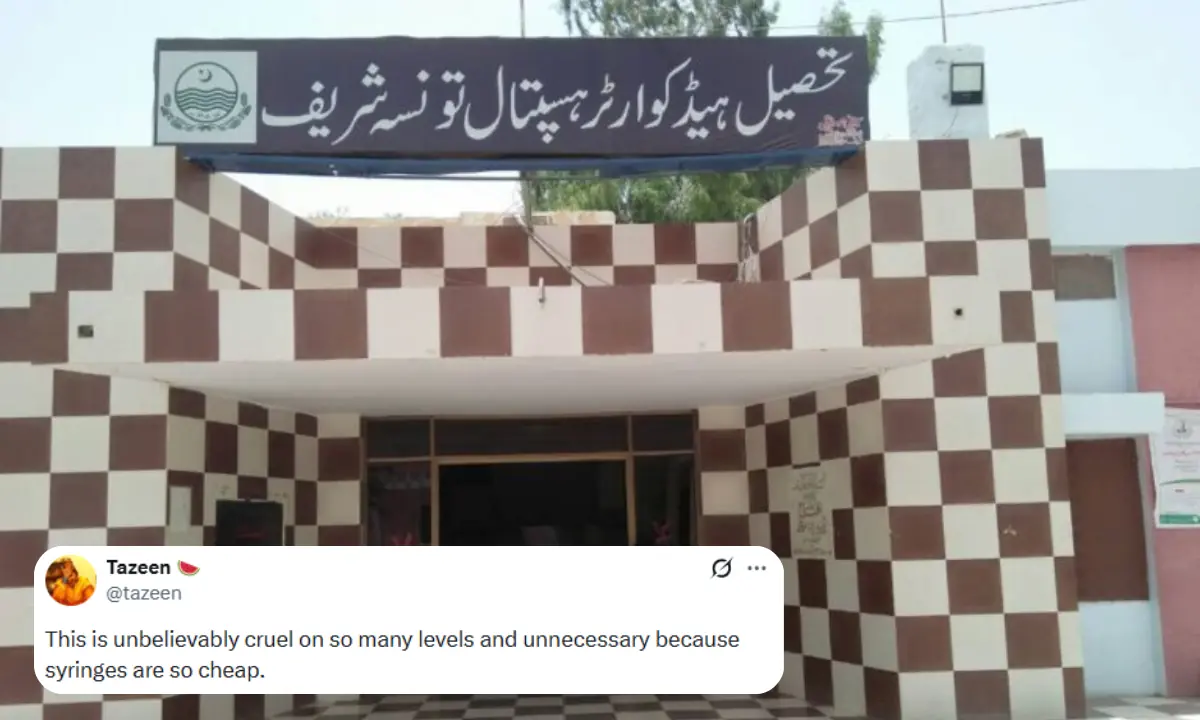
 A shocking report by BBC has triggered nationwide outrage in Pakistan after alleging severe medical malpractice at a Tehsil Headquarter…
 Pakistan’s second National Anti-Polio Campaign of 2026 is continuing across the country with full momentum, as health workers aim to…
 A new case of monkeypox has been reported in Karachi, raising fresh concerns among health authorities in the city. According…
 Olivia Munn has spoken about her experience battling breast cancer, highlighting the crucial role her husband, John Mulaney, played throughout…





- A report published by Modern Diplomacy has supported Pakistan’s long-standing…1 second ago
- Pakistan’s security forces have arrested a suspected militant who has…5 minutes ago
- The United States has officially ended a temporary sanctions waiver…10 minutes ago
- Muhammad Aurangzeb continued his engagements in Washington DC on the…21 minutes ago