


Global lenders warn of slow but steady recovery in Pakistan
 Rabbia Zafar
|
2 weeks ago
Rabbia Zafar
|
2 weeks ago
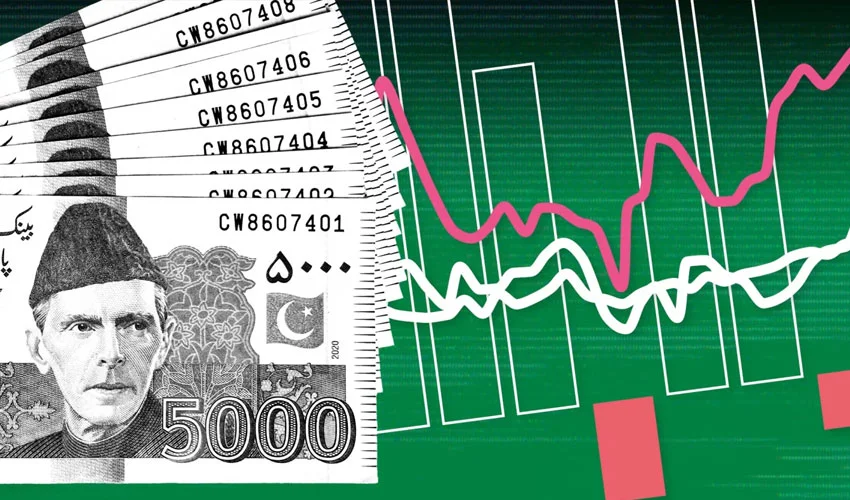
Recent assessments by the World Bank and the Asian Development Bank (ADB) suggest that Pakistan’s economy is on a path of gradual recovery, although growth remains modest and key risks continue to persist.
The World Bank noted that rising oil and gas prices, largely driven by tensions in the Middle East, have added pressure on Pakistan’s economy as well as other developing nations. As a result, the country’s economic growth for the current fiscal year is expected to fall short of its 4.2 percent target, with projections indicating growth of around 3 percent.
The report also highlighted concerns about inflation, which is expected to increase to approximately 7.4 percent by 2026. Additionally, the current account balance, which had shown signs of improvement, may slip back into deficit, potentially reaching around 1.2 percent of GDP. Declining remittances from Gulf countries and fluctuations in the stock market are also seen as contributing risk factors.
Pakistan Receives $5.17 Billion from Global Sources in Seven Months
Meanwhile, the Asian Development Bank provided a slightly more optimistic outlook, stating that Pakistan’s economy continues to show signs of improvement. It forecasts growth of 3.5 percent for the current fiscal year, with a further increase to 4.5 percent expected in the following year.
Despite these positive signals, the ADB also warned of ongoing challenges, including high energy costs, geopolitical uncertainties, weak remittance inflows, and exposure to external shocks.
Both institutions emphasized that while economic stability is gradually improving, sustained reforms and prudent fiscal management will be essential to ensure long-term growth and resilience.


Pakistan National Security Committee takes firm stance after India escalation over Pahalgam incident
Ghotki youth killed after accidental gunfire during dog shooting incident
Instagram tests “Instants” app for disappearing photos
Pope Leo condemns killings in Iran and civilian deaths in war, responds to Trump criticism
Israel and Lebanon extend ceasefire as US-Iran tensions and Strait of Hormuz crisis deepen



2 minutes ago

16 minutes ago

23 minutes ago

32 minutes ago

42 minutes ago
45 minutes ago
- FIFA has clarified that Iran will participate in the FIFA World Cup 2026, dismissing speculation about replacing the team with…
- Israel and Lebanon have agreed to extend their ceasefire for three weeks following talks held at the White House, in…
- Tensions in the Gulf region have escalated after reports that Iran has increasingly relied on fast-attack boats to intercept commercial…
 US President Donald Trump has warned that the United States could impose heavy tariffs on the United Kingdom if it…

- Federal health authorities have ordered strict nationwide enforcement of a ban on conventional disposable syringes and initiated a policy review…
 Pakistan’s second national anti-polio campaign of 2026 is continuing across the country, with efforts now in its sixth day as…
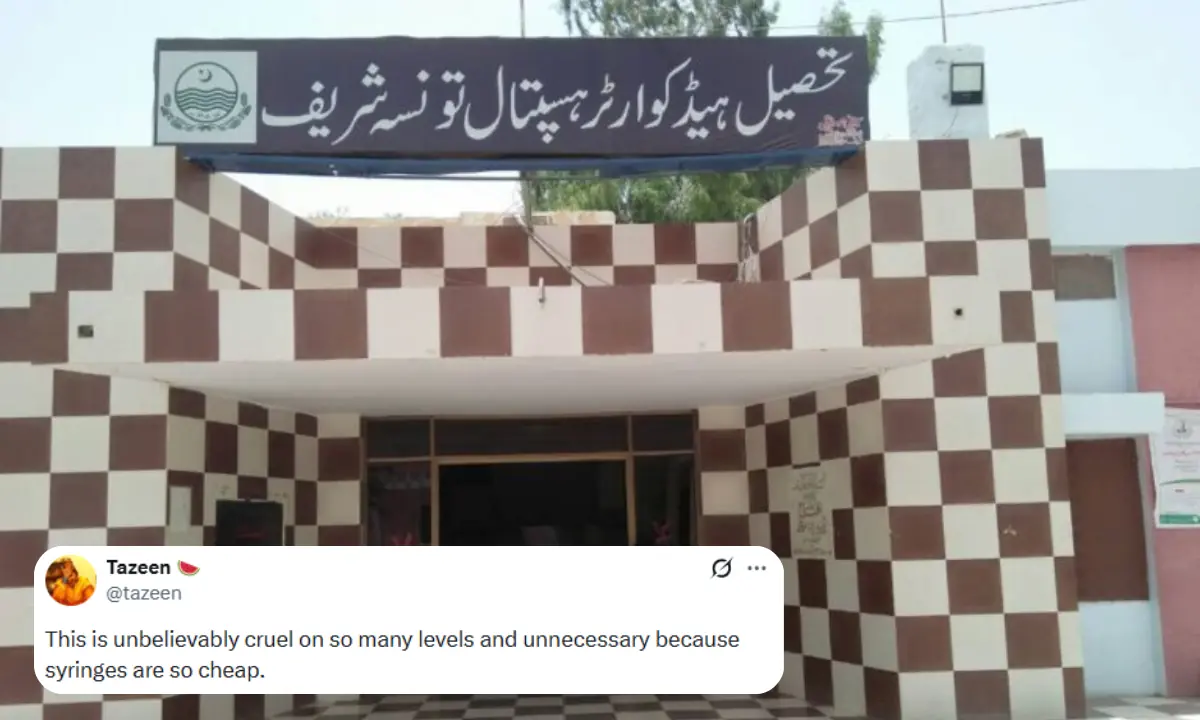
 A shocking report by BBC has triggered nationwide outrage in Pakistan after alleging severe medical malpractice at a Tehsil Headquarter…
 Pakistan’s second National Anti-Polio Campaign of 2026 is continuing across the country with full momentum, as health workers aim to…




- FIFA has clarified that Iran will participate in the FIFA…2 minutes ago
- A United States Army Special Forces soldier has been charged…16 minutes ago
- Chinese startup DeepSeek has introduced a new artificial intelligence model,…23 minutes ago
- The National Security Committee (NSC) of Pakistan held an emergency…32 minutes ago