


North Korea tests cruise and anti-warship missiles during destroyer drills, state media says
 Rabbia Zafar
|
1 week ago
Rabbia Zafar
|
1 week ago
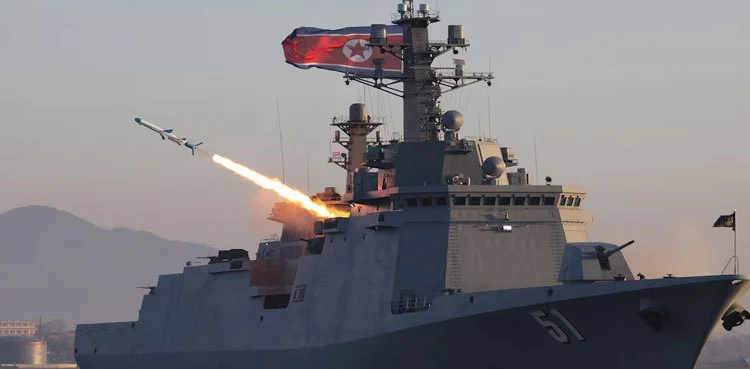
North Korea has carried out another series of missile tests as part of operational trials involving its destroyer Choe Hyon, according to state media KCNA.
The report said leader Kim Jong Un observed the exercises alongside senior defence officials and naval commanders. The drills involved the launch of two strategic cruise missiles and three anti-warship missiles, aimed at evaluating the warship’s integrated weapons command system and testing crew readiness in missile-launch procedures.
KCNA stated that the exercises also focused on verifying the accuracy and anti-jamming performance of upgraded navigation systems. The cruise missiles reportedly flew for approximately 7,869 to 7,920 seconds, while the anti-warship missiles flew for about 1,960 to 1,973 seconds before striking designated targets with what was described as ultra-precision accuracy.
The tests were conducted over waters off North Korea’s western coast and form part of ongoing efforts to enhance the operational capability of the country’s naval assets.
During the visit, Kim was also briefed on weapons development plans for two additional destroyers currently under construction. The report indicated preparations for the third and fourth vessels of the Choe Hyon class, suggesting an expansion of North Korea’s naval destroyer fleet.
Kim emphasized that strengthening the country’s nuclear deterrent remains a top priority and called for improvements in both strategic and tactical strike capabilities, along with faster response readiness.
North Korea first tested weapons on the 5,000-ton Choe Hyon-class destroyer in April 2025. Later in June, Kim announced plans to build additional destroyers and expand the fleet with more advanced ships in the coming years.
Analysts say the latest references to multiple destroyers indicate an accelerated naval development programme, reflecting efforts to expand operational capacity and modernize military systems amid regional tensions.
KCNA did not provide external verification, and independent confirmation of the tests was not immediately available.

Pakistan’s foreign exchange reserves rise by $18 million in a week

Missing government teacher’s body found in Pakpattan field, police suspect constable

Security forces kill 22 militants in Khyber intelligence-based operation: ISPR

Pakistan’s critical minerals push gains momentum amid Reko Diq developments


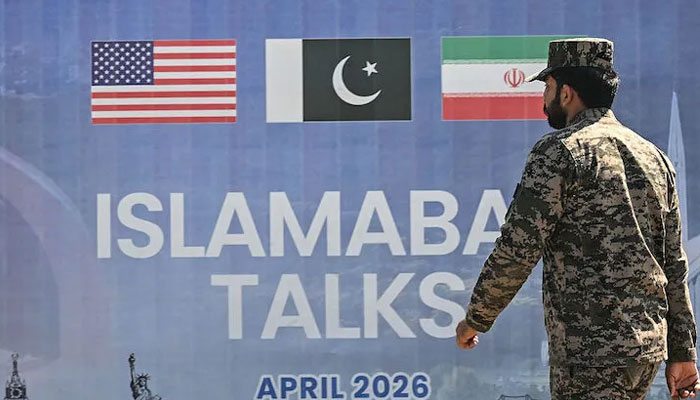
Uncertainty persists over second round of US-Iran talks in Islamabad

Pakistan repays UAE deposits as Saudi funds arrive



4 minutes ago
16 minutes ago
20 minutes ago

26 minutes ago
31 minutes ago
40 minutes ago
- Asian markets showed a mixed performance on Friday while oil prices continued to rise, as uncertainty surrounding a fragile Middle…
- United States forces have seized an Iranian vessel during an operation in the Indian Ocean, escalating already heightened tensions…
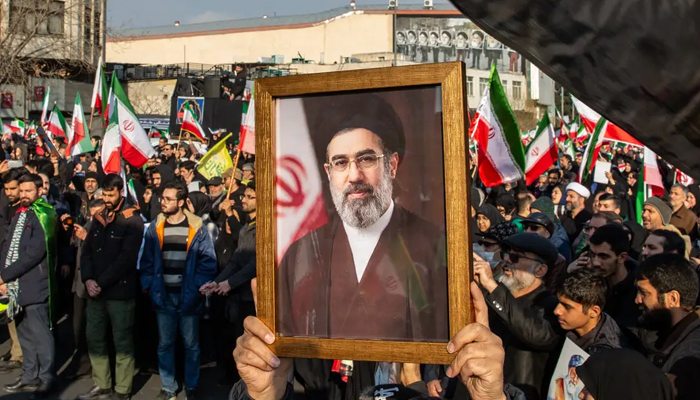
- US report reveals details on Iranian leader health condition, as the New York Times published claims about Iran’s new Supreme…
- Trump sees Israel Lebanon peace possible this year, as US President Donald Trump expressed optimism about improved relations. He said…



 Federal health authorities have ordered strict nationwide enforcement of a ban on conventional disposable syringes and initiated a policy review…
 Pakistan’s second national anti-polio campaign of 2026 is continuing across the country, with efforts now in its sixth day as…
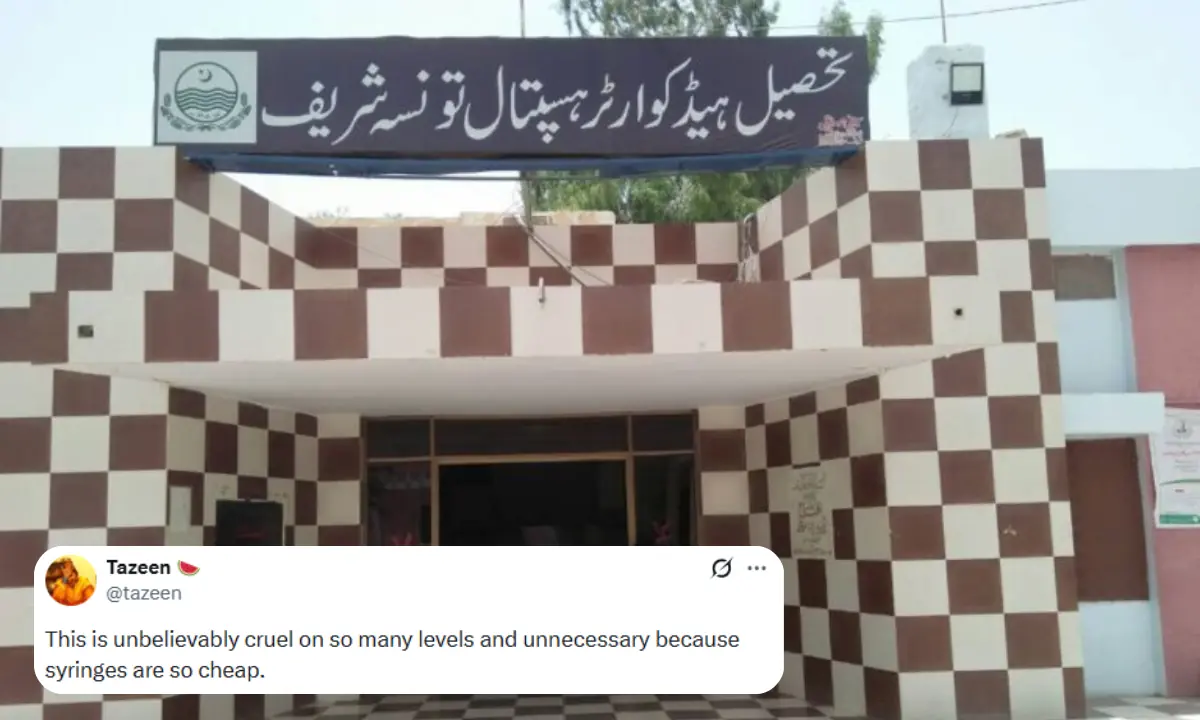
 A shocking report by BBC has triggered nationwide outrage in Pakistan after alleging severe medical malpractice at a Tehsil Headquarter…
 Pakistan’s second National Anti-Polio Campaign of 2026 is continuing across the country with full momentum, as health workers aim to…




- Pakistan’s foreign exchange reserves recorded a modest increase of $18…4 minutes ago
- A government school teacher who had been reported missing was…16 minutes ago
- Security forces conducted a major intelligence-based operation in Khyber District…20 minutes ago
- Pakistan’s ambitions in the global critical minerals market are gradually…26 minutes ago