


Pakistan sees rise in inflation as investment declines sharply
 Rabbia Zafar
|
5 hours ago
Rabbia Zafar
|
5 hours ago
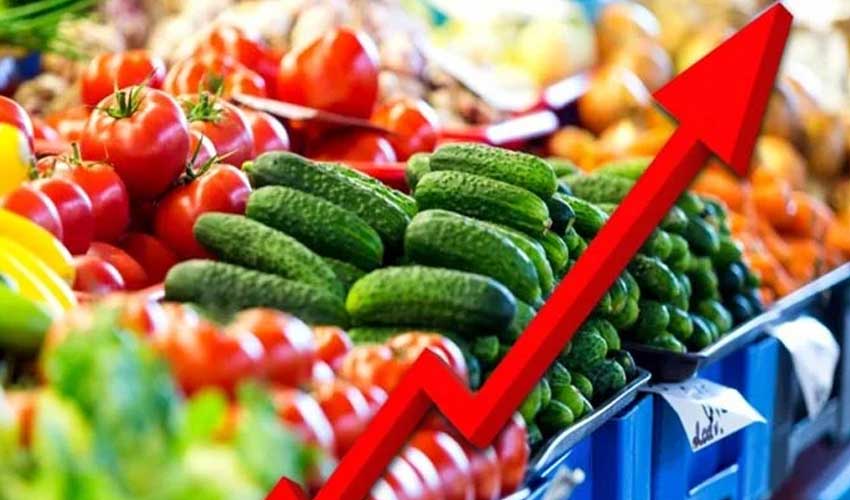
Inflation in Pakistan rose to 5.7% during the first nine months of the current fiscal year, up from 5.3% in the same period last year, according to the Ministry of Planning’s monthly development report.
The report highlights mixed economic trends, showing pressure on key external and domestic indicators. Exports declined by 1.2%, while imports increased by 8.3%, widening concerns over the country’s trade balance. At the same time, foreign direct investment fell sharply by 33.4%, reflecting continued investor caution amid economic uncertainty.
Despite external account pressures, tax collection by the Federal Board of Revenue increased by 10.1%, reaching Rs 9,306 billion compared to Rs 8,453 billion in the same period last year. This suggests improved revenue performance driven by stronger enforcement and economic activity.
Gunman Who Opened Fire at Engineer Muhammad Ali Mirza’s Academy in Jhelum Killed
Remittances from overseas Pakistanis also showed positive growth, rising by 2.8% to $30.3 billion. This inflow remains a critical source of foreign exchange support for the country’s economy.
According to the report, Pakistan’s exports during July to March stood at $30.6 billion, slightly lower than $30.9 billion recorded in the previous year. Meanwhile, imports rose significantly to $56.3 billion from $51.9 billion, further expanding the trade deficit.
Economists note that rising imports combined with declining investment and modest export performance could pose challenges for external stability. However, strong remittances and improved tax collection have provided some buffer to the economy.
The overall picture reflects a mixed economic outlook, where fiscal improvements are being offset by external sector pressures. Analysts suggest that sustaining growth will require stronger export performance, improved investment inflows, and measures to manage import demand.
Authorities are expected to closely monitor inflation trends in the coming months, especially amid global commodity price fluctuations and domestic demand pressures.



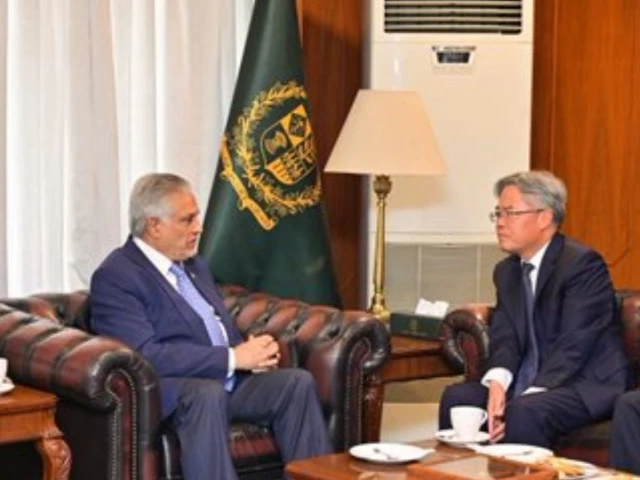
China backs Pakistan’s diplomatic role in US-Iran engagement efforts

Israeli strike kills three in Gaza as ceasefire violence continues

Pakistan extends airspace ban on Indian aircraft until May 2026

Punjab disburses Rs191 billion under Apni Chat Apna Ghar housing scheme


50 minutes ago

2 hours ago

2 hours ago

2 hours ago
3 hours ago

3 hours ago
- A strike in the Gaza Strip killed three people overnight, according to the Palestinian civil defence agency, as tensions continue…
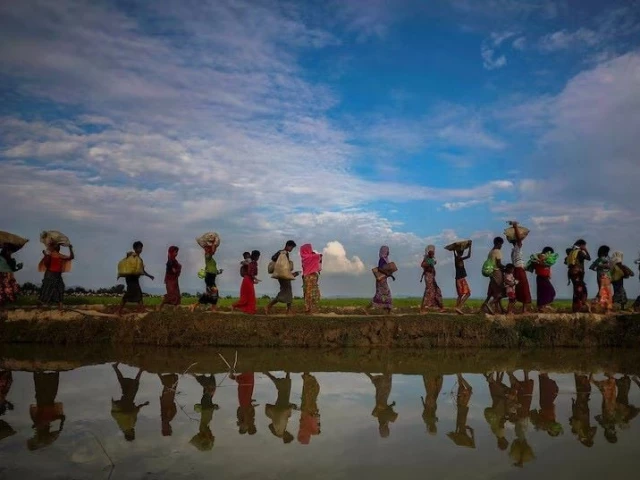
- A deadly boat disaster in the Andaman Sea has once again exposed the growing humanitarian crisis facing Rohingya refugees fleeing…
- The United States has expressed confidence that peace talks with Iran will proceed in Islamabad, even as uncertainty persists over…
 An explosion during a military training exercise in Japan has killed three soldiers, according to Prime Minister Sanae Takaichi. The…


 Pakistan’s second national anti-polio campaign of 2026 is continuing across the country, with efforts now in its sixth day as…
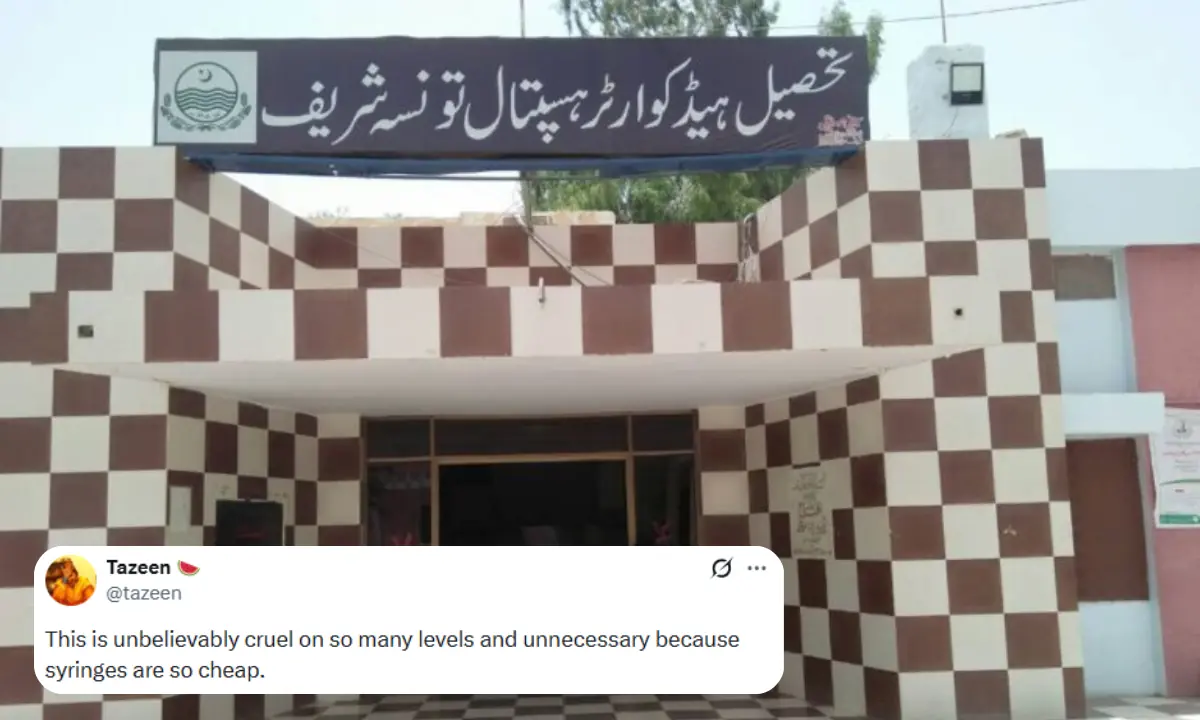
 A shocking report by BBC has triggered nationwide outrage in Pakistan after alleging severe medical malpractice at a Tehsil Headquarter…
 Pakistan’s second National Anti-Polio Campaign of 2026 is continuing across the country with full momentum, as health workers aim to…
 A new case of monkeypox has been reported in Karachi, raising fresh concerns among health authorities in the city. According…





- Renowned Hollywood actress Anne Hathaway has been named the world’s…50 minutes ago
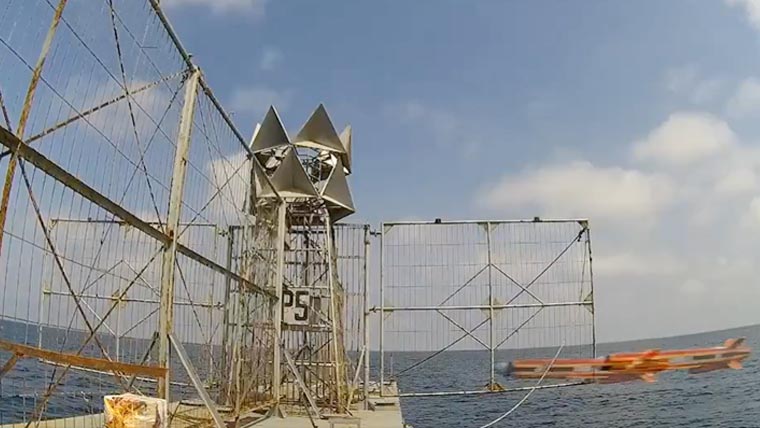
- The Pakistan Navy has successfully conducted a test of its…2 hours ago
- The Election Commission of Pakistan (ECP) has suspended the upcoming…2 hours ago
- The Alhamra Arts Council has announced its first-ever Kathak Festival,…2 hours ago