


Iran shifts to fast-boat tactics as maritime tensions escalate near Strait of Hormuz
 Rabbia Zafar
|
3 hours ago
Rabbia Zafar
|
3 hours ago
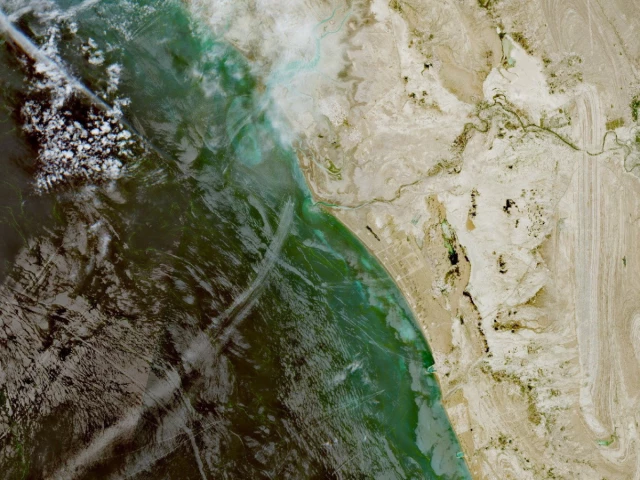
Tensions in the Gulf region have escalated after reports that Iran has increasingly relied on fast-attack boats to intercept commercial vessels near the Strait of Hormuz, despite earlier claims that its naval capabilities had been significantly weakened.
According to maritime security assessments and statements cited by Reuters, Iranian forces recently used swarms of small, heavily armed boats to seize two container ships in operations described as highly coordinated and asymmetric. The incidents have raised fresh doubts about claims that US strikes had effectively neutralised Iran’s naval power.
US President Donald Trump stated that while Iran’s conventional navy had been “largely destroyed,” its fast-moving boats were still operational and capable of carrying out disruptive maritime actions. He warned that any such vessels approaching US-enforced blockades would be “immediately eliminated,” referencing prior US naval actions in other regions.
Security analysts say Iran’s strategy now relies heavily on asymmetric warfare, combining fast boats with shore-based missiles, drones, and electronic interference to create uncertainty in key shipping lanes. The Strait of Hormuz, which handles nearly a fifth of global oil and liquefied natural gas shipments, remains a critical choke point for international trade.
Experts note that Iran previously possessed hundreds of these small vessels, many of which can operate from concealed coastal locations. While some have reportedly been destroyed in recent conflicts, a substantial number are believed to remain in service.
Maritime security firms warn that commercial shipping companies are ill-equipped to counter such fast, coordinated boarding operations, which typically involve around a dozen boats. However, analysts also note operational limits, including weather conditions and vulnerability to air power and naval counterattacks.
The renewed use of these tactics underscores the ongoing volatility in the region and suggests that despite ceasefire efforts, maritime security risks remain elevated, with potential implications for global energy markets and shipping insurance costs.

Pakistan National Security Committee takes firm stance after India escalation over Pahalgam incident

Ghotki youth killed after accidental gunfire during dog shooting incident
Instagram tests “Instants” app for disappearing photos
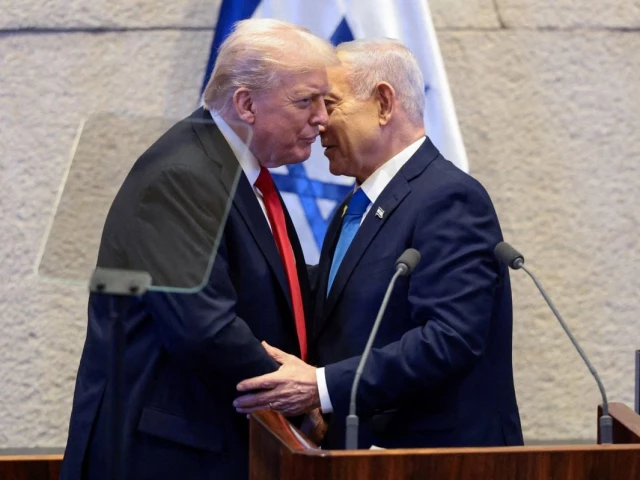
Pope Leo condemns killings in Iran and civilian deaths in war, responds to Trump criticism
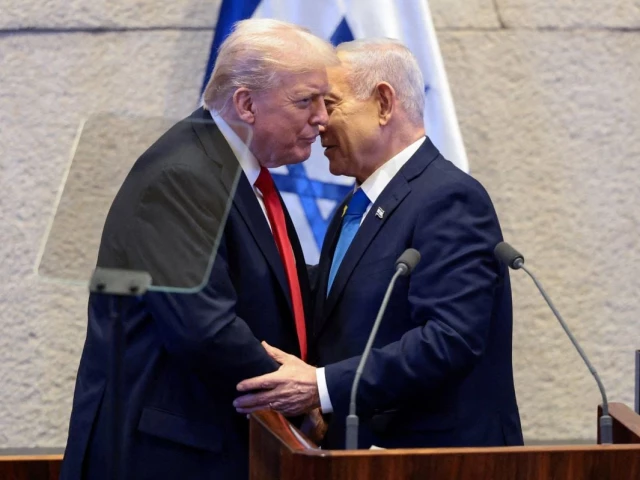
Israel and Lebanon extend ceasefire as US-Iran tensions and Strait of Hormuz crisis deepen

Pakistan to offer electric bikes to government employees under new EV push


8 minutes ago

15 minutes ago

24 minutes ago

34 minutes ago
37 minutes ago
2 hours ago
- Israel and Lebanon have agreed to extend their ceasefire for three weeks following talks held at the White House, in…
- Tensions in the Gulf region have escalated after reports that Iran has increasingly relied on fast-attack boats to intercept commercial…
 US President Donald Trump has warned that the United States could impose heavy tariffs on the United Kingdom if it…
- Asian markets showed a mixed performance on Friday while oil prices continued to rise, as uncertainty surrounding a fragile Middle…


- Federal health authorities have ordered strict nationwide enforcement of a ban on conventional disposable syringes and initiated a policy review…
 Pakistan’s second national anti-polio campaign of 2026 is continuing across the country, with efforts now in its sixth day as…
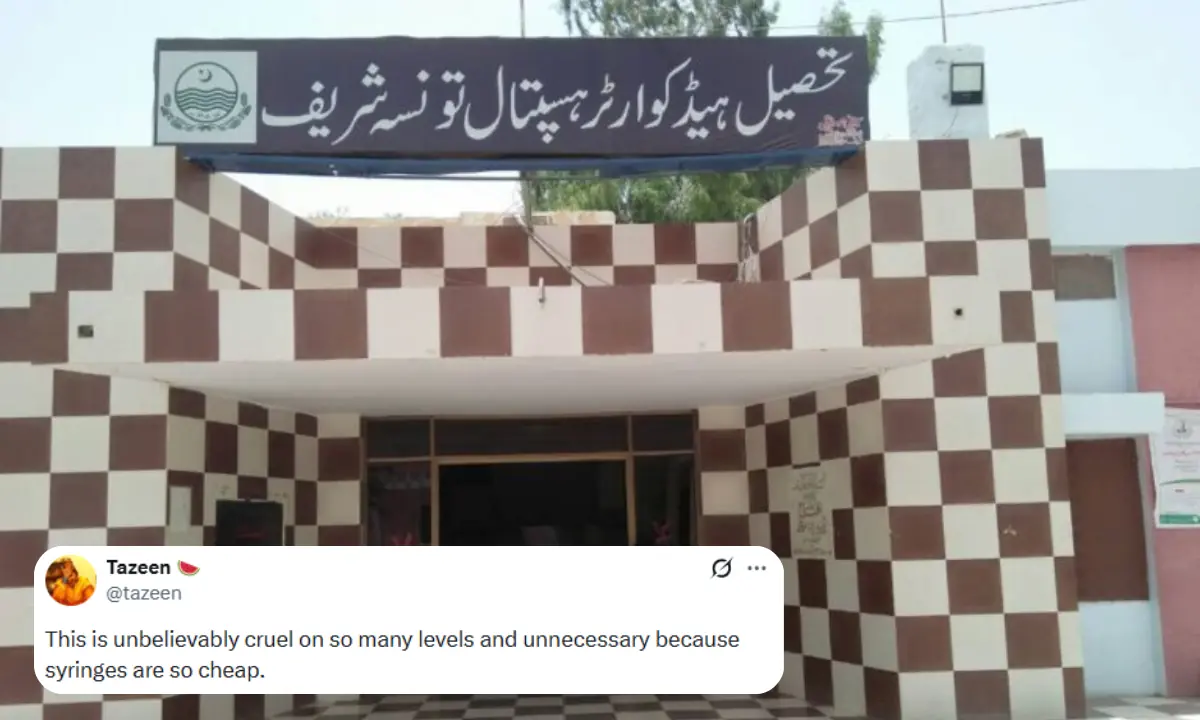
 A shocking report by BBC has triggered nationwide outrage in Pakistan after alleging severe medical malpractice at a Tehsil Headquarter…
 Pakistan’s second National Anti-Polio Campaign of 2026 is continuing across the country with full momentum, as health workers aim to…




- A United States Army Special Forces soldier has been charged…8 minutes ago
- Chinese startup DeepSeek has introduced a new artificial intelligence model,…15 minutes ago
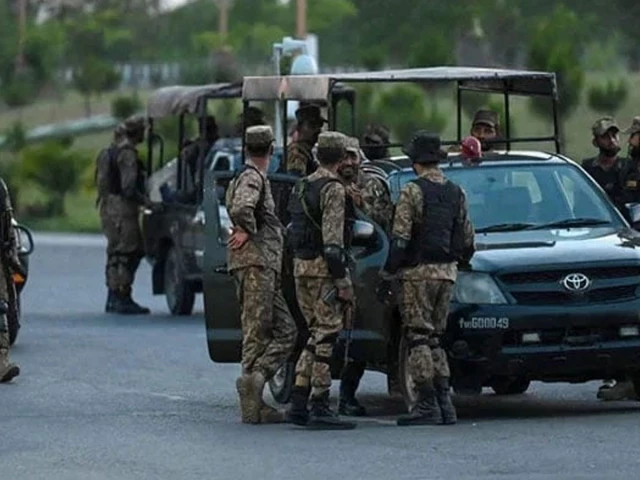
- The National Security Committee (NSC) of Pakistan held an emergency…24 minutes ago
- In Ghotki, a tragic incident led to the death of…34 minutes ago