


US military power questioned amid repeated foreign policy failures
 Rabbia Zafar
|
3 hours ago
Rabbia Zafar
|
3 hours ago
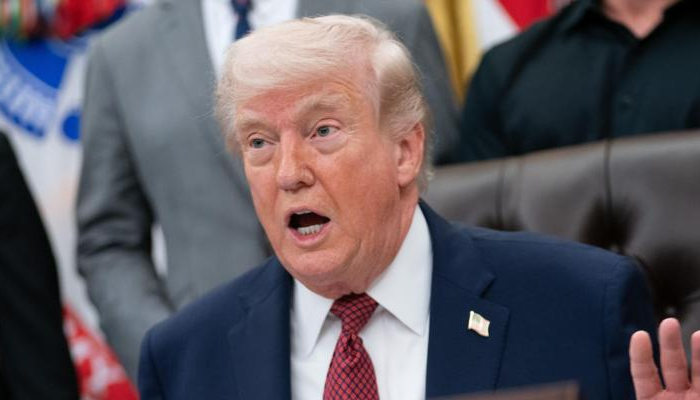
The United States remains the world’s leading military and economic power, yet its recent and past interventions raise serious questions about the effectiveness of its foreign policy. Despite possessing vast resources and advanced military capabilities, Washington has repeatedly struggled to achieve its objectives in conflicts involving less powerful adversaries.
The ongoing tensions with Iran highlight a broader pattern in US foreign policy, where military strength alone has not ensured success. Historically, American involvement in conflicts across regions such as the Middle East, Asia, and Latin America has often ended without achieving key goals, including regime change or long-term stability.
Countries like Afghanistan, Iraq, Syria, and Libya serve as examples of how military intervention has resulted in prolonged instability, civilian casualties, and weakened state structures. Analysts argue that these actions have left a lasting impact, not only on the affected nations but also on global perceptions of US policy.
State Bank Raises Interest Rate to 11.50% Amid Economic Uncertainty
Critics suggest that successive US administrations have failed to fully learn from these experiences. Instead, there appears to be a continued reliance on military solutions, sometimes at the expense of diplomatic engagement. Observers also point to the influence of the military-industrial complex in shaping policy decisions, prioritising strategic dominance over sustainable peace.
The human and financial costs of these interventions have been significant. Trillions of dollars have been spent on wars abroad, alongside considerable loss of life, both among civilians in conflict zones and US military personnel.
Experts emphasise that internal challenges within countries cannot be resolved through external military force. They argue that political reform and stability must emerge from within societies rather than being imposed from outside.
As debates continue, many believe the US may need to reassess its global role and focus more on diplomatic solutions while addressing domestic challenges at home.
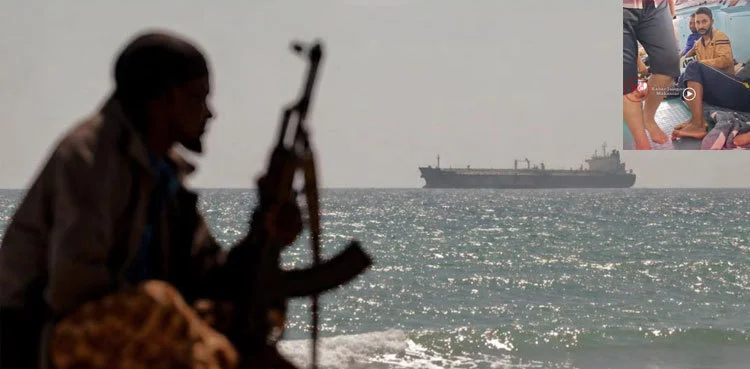
Pakistani crew members held hostage in hijacked Somali oil tanker
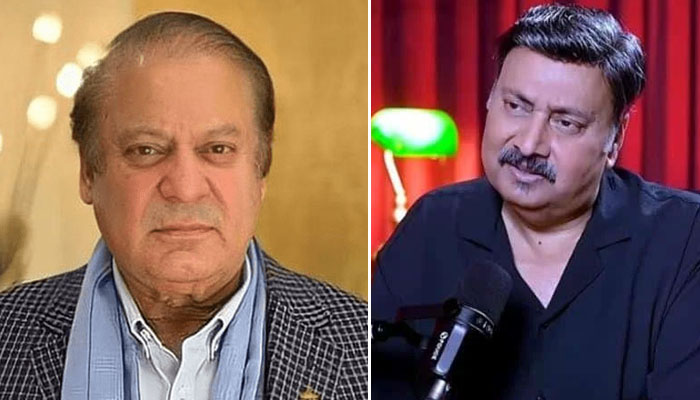
Waseem Abbas praises Nawaz Sharif for supporting artists

Punjab bans child marriage under new law with strict penalties

Pakistan moves to build strategic oil reserves amid supply security concerns


Imran Khan receives fourth eye treatment at PIMS amid ongoing medical concerns
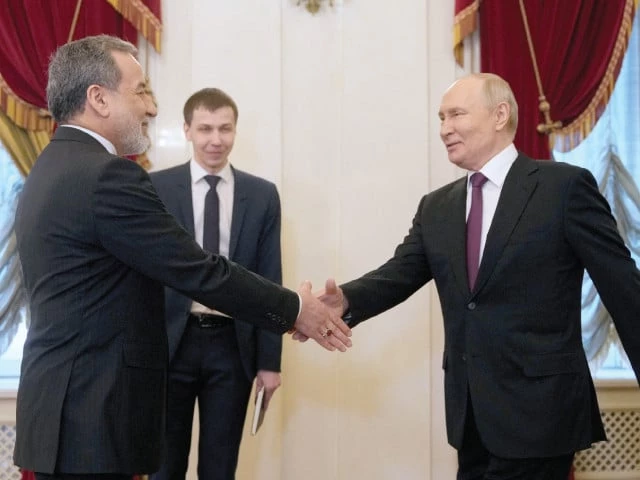
Putin pledges support for Iran amid tensions with US and Israel



2 minutes ago

17 minutes ago
22 minutes ago
26 minutes ago
28 minutes ago

49 minutes ago
- At least 14 passengers have been killed and dozens injured after a collision between two trains near Jakarta, according to…
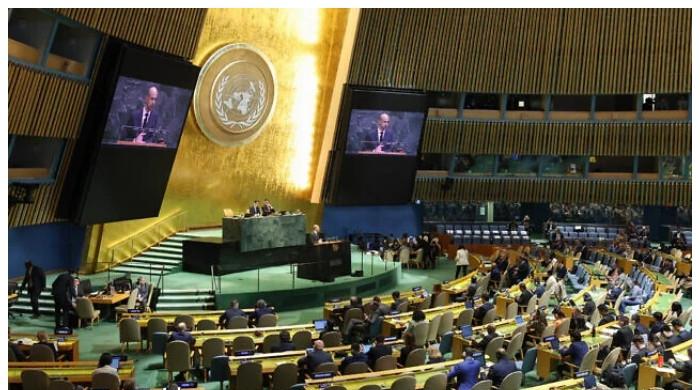
 Tensions surfaced at the United Nations during a conference on the implementation of the Nuclear Non-Proliferation Treaty (NPT), after Iran…
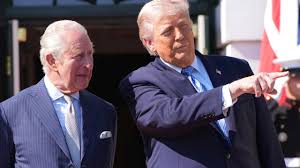
 King Charles III and Queen Camilla have arrived in the United States for an official visit, where they were warmly…
- The United States remains the world’s leading military and economic power, yet its recent and past interventions raise serious questions…

- Federal health authorities have ordered strict nationwide enforcement of a ban on conventional disposable syringes and initiated a policy review…
 Pakistan’s second national anti-polio campaign of 2026 is continuing across the country, with efforts now in its sixth day as…
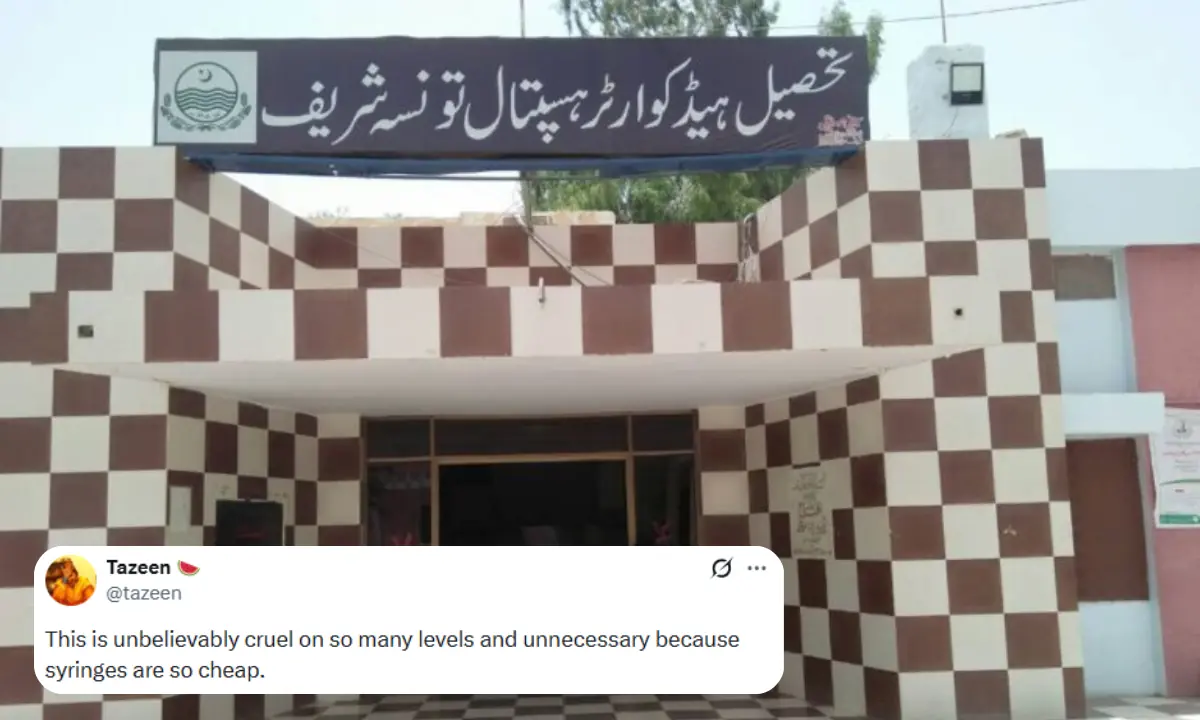
 A shocking report by BBC has triggered nationwide outrage in Pakistan after alleging severe medical malpractice at a Tehsil Headquarter…
 Pakistan’s second National Anti-Polio Campaign of 2026 is continuing across the country with full momentum, as health workers aim to…




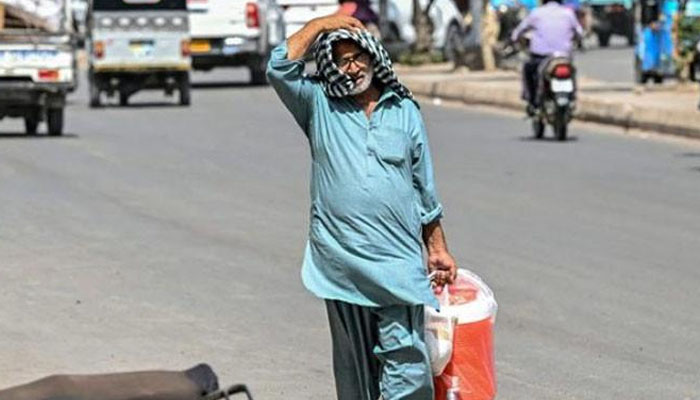
- The Meteorological Department has forecast a severe heatwave across Sindh,…2 minutes ago
- A video has surfaced showing Pakistani crew members being held…17 minutes ago
- Senior Pakistani actor Waseem Abbas has stated that, in his…22 minutes ago
- The Punjab Assembly has passed the Punjab Child Marriage Restraint…26 minutes ago