


Air chief highlights PAF strategy against India
 Rabbia Zafar
|
6 days ago
Rabbia Zafar
|
6 days ago

Zaheer Ahmed Baber Sidhu on Thursday shared details of the Pakistan Air Force’s operational strategy and “kill chain” that he said successfully countered Indian aggression and resulted in the downing of several Indian fighter jets, including Rafale aircraft.
Addressing a ceremony at Air Headquarters in Islamabad to mark one year of Marka-e-Haq, the air chief said Pakistan’s response reflected national unity, professional military preparedness, and strategic coordination.
According to the air chief, tensions escalated after the Pahalgam incident, which created what he described as a hostile regional environment. In response, the Pakistan Air Force adopted precautionary measures and maintained the highest level of operational readiness to deal with any possible aggression.
He stated that the PAF immediately declared its highest alert status and enhanced full-spectrum surveillance to monitor enemy movements closely. The air chief said modern warfare required rapid decision-making, integrated intelligence, and effective coordination between operational units.
Pakistan hopeful of US-Iran deal, FO says agreement possible soon
Zaheer Ahmed Baber Sidhu said the PAF’s success during the confrontation was made possible through a strong “kill chain” mechanism that enabled the force to identify, track, and engage hostile targets effectively.
He added that Pakistan’s armed forces remained fully capable of defending the country’s sovereignty and responding decisively to any external threat.
The ceremony was attended by senior military officials and PAF personnel, where tribute was paid to the professionalism and sacrifices of Pakistan’s armed forces.
The air chief also praised the dedication of pilots, engineers, and technical teams who ensured operational readiness during heightened tensions with India.
His remarks come amid continued discussions regarding regional security, military preparedness, and evolving aerial warfare capabilities in South Asia.



US imposes visa curbs on India-linked firm over fentanyl pills

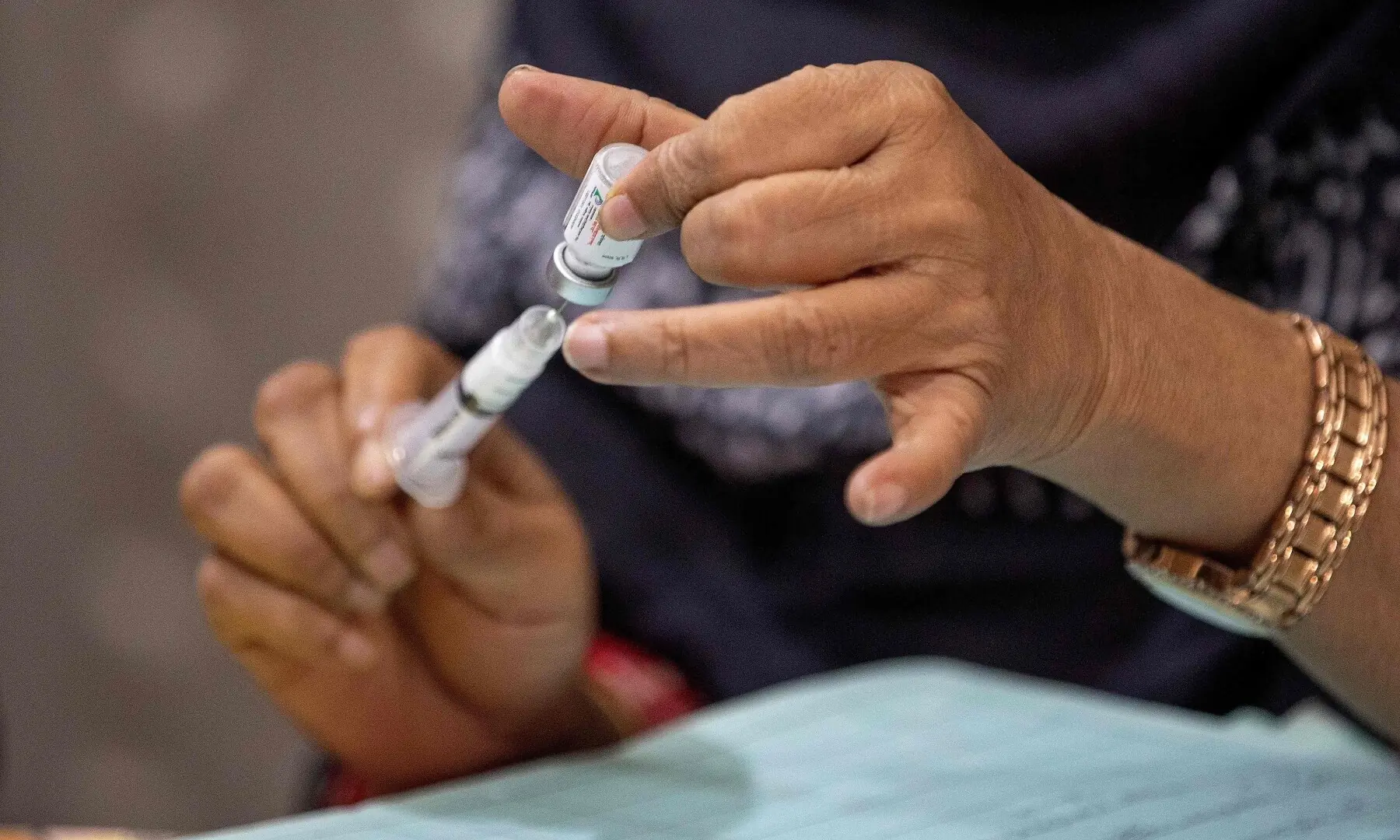
Bangladesh faces rising contraceptive shortage crisis





12 minutes ago
17 minutes ago

24 minutes ago

37 minutes ago

49 minutes ago

57 minutes ago
- At least 13 people were killed in a series of Israeli strikes in southern Lebanon on Tuesday, according to Lebanon’s…
- The United States has announced visa restrictions on 13 individuals linked to an India-based online pharmacy accused of trafficking counterfeit…
- Bangladesh is facing a growing public health challenge as severe shortages of contraceptives disrupt its long-standing family planning programme, raising…
 Delegations from China and the United States held trade discussions in South Korea on Wednesday, just hours before US President…

- A major shift in medical terminology has been announced for Polycystic Ovarian Syndrome (PCOS), a common hormonal disorder affecting millions…
- Health authorities are working to contain a potential international spread of hantavirus after new suspected cases emerged across multiple countries,…
 The Indus Hospital, located in Karachi’s Korangi area, has earned widespread recognition for providing free and quality healthcare services to…
 The Healthcare Devices Association of Pakistan (HDAP) has raised serious concerns over the continued presence of banned reusable syringes in…




- At least 13 people were killed in a series of…12 minutes ago
- Indian actor and producer Dileep Raj has passed away at…17 minutes ago
- The United States has announced visa restrictions on 13 individuals…24 minutes ago
- A major shift in medical terminology has been announced for…37 minutes ago