


How Pakistan names its military operations and why it matters
 Rabbia Zafar
|
3 days ago
Rabbia Zafar
|
3 days ago
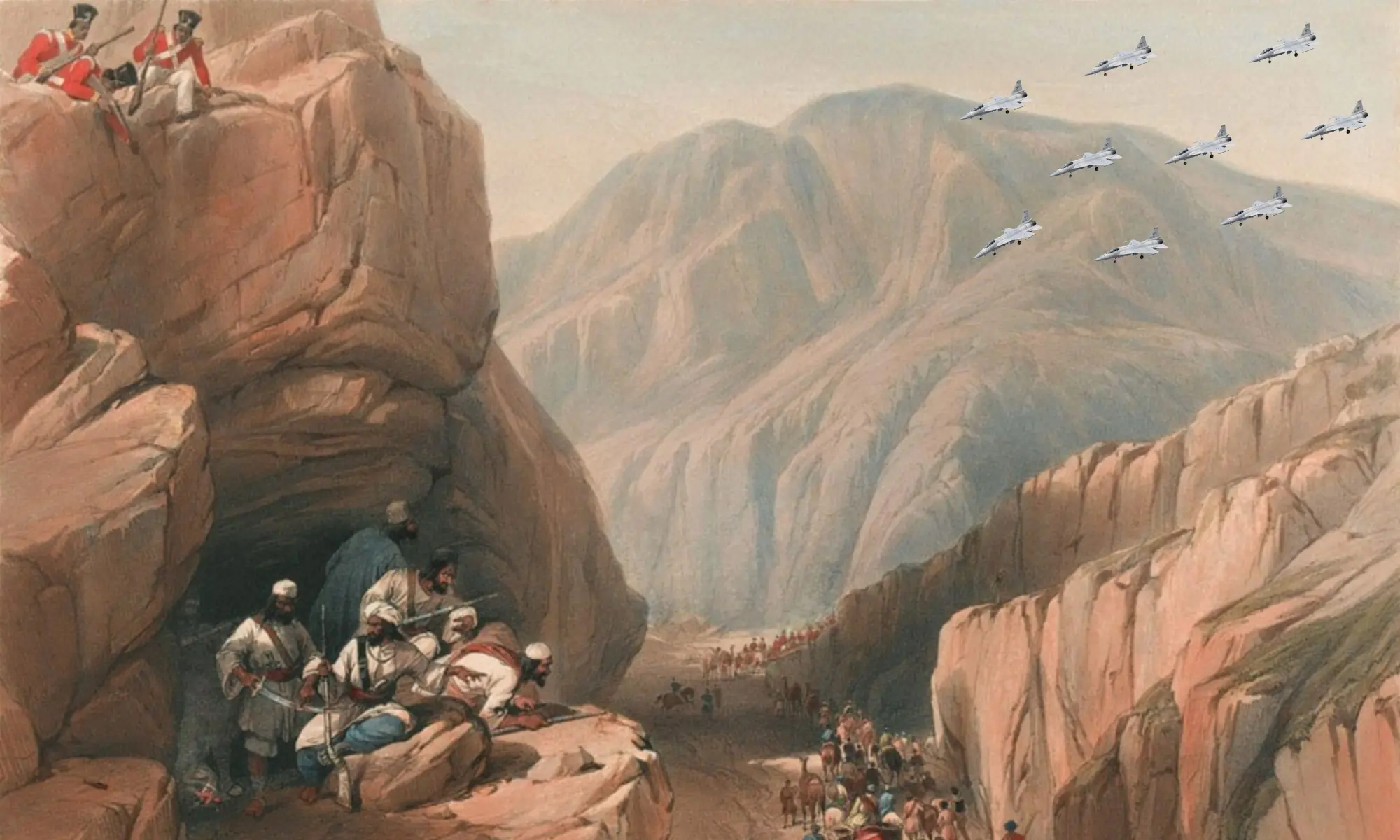
At 5:13am on May 10 last year, Pakistan launched its retaliatory military action Operation Bunyanum Marsoos against India, with state broadcaster PTV showing dramatic footage of fireballs lighting up the sky as the conflict began.
While the operation marked a major military escalation, it also sparked widespread confusion over its spelling and pronunciation. Newsrooms, wire services, and even official statements used varying transliterations, including Bunyanum Marsoos, Bunyanun Marsoos, and Bunyan-al Marsoos.
The name, derived from a verse in Surah As-Saff in the Holy Quran, translates to “a solid, cemented structure.” Despite its religious origin, inconsistent usage led to debate over its correct Arabic and Urdu rendering.
Information Minister Ata Tarar later referenced the Quranic verse behind the name, saying it symbolised unity in the face of conflict. However, questions over the naming process continued to circulate.
At a tri-services briefing following the ceasefire announcement, military spokesperson Lt Gen Ahmed Sharif Chaudhry said the armed forces draw inspiration from faith and described the operation as representing strength and cohesion among soldiers.
DG ISPR highlights key role of students in Operation “Bunyan Marsous”
Retired military officials say operational names are not decided ad hoc but are planned in advance by designated branches at the General Headquarters (GHQ). Lt Gen (retd) Naeem Khalid Lodhi explained that names are selected based on mission type, terrain, and psychological impact on troops.
He said naming is intended to boost morale and often draws from religious texts, historical references, or geographic identifiers. Smaller operations may be named at corps or divisional level, while major operations are finalised at GHQ.
Experts note that military naming also serves a strategic communication function. Air Vice Marshal (retd) Faaiz Amir said operation names shape how conflicts are remembered and perceived both domestically and internationally, especially in the age of social media-driven narratives.
He cited Operation Swift Retort as an example of a deliberately chosen name reflecting speed and response.
Historically, Pakistan’s military naming conventions have evolved from British-influenced territorial labels to more culturally and religiously inspired terminology, particularly after independence and later counter-insurgency operations in the post-9/11 period.
Officials say the use of religious language during internal security operations helped maintain morale among troops engaged in fighting militants in Khyber Pakhtunkhwa and other regions.
However, analysts note that such naming practices also raise questions about perception, interpretation, and international messaging in modern conflicts where information spreads instantly across global media platforms.






1 minute ago

9 minutes ago

12 minutes ago
3 hours ago
3 hours ago
3 hours ago
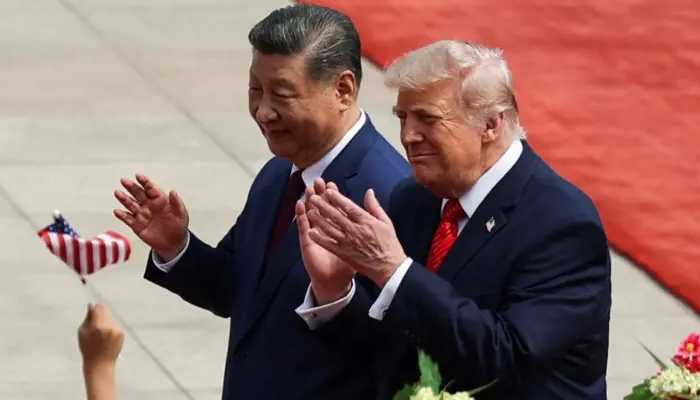
- U.S. Secretary of State Marco Rubio reportedly entered China alongside President Donald Trump despite an existing Chinese ban against him.…
- U.S. President Donald Trump said Chinese President Xi Jinping offered assistance in keeping the Strait of Hormuz open. During a…
- A British newspaper has claimed that Saudi Arabia has proposed a non-aggression pact between Iran and Middle Eastern countries. According…
 Dozens of Israeli settlers entered the Al-Aqsa Mosque compound in occupied East Jerusalem on Thursday under the protection of Israeli…

 A major shift in medical terminology has been announced for Polycystic Ovarian Syndrome (PCOS), a common hormonal disorder affecting millions…
 Health authorities are working to contain a potential international spread of hantavirus after new suspected cases emerged across multiple countries,…
 The Indus Hospital, located in Karachi’s Korangi area, has earned widespread recognition for providing free and quality healthcare services to…
 The Healthcare Devices Association of Pakistan (HDAP) has raised serious concerns over the continued presence of banned reusable syringes in…





- Pakistan’s cotton sector has entered a historic phase as the…1 minute ago
- The Federal Board of Revenue is set to receive powers…9 minutes ago
- A case of alleged medical negligence has surfaced at the…12 minutes ago
- U.S. Secretary of State Marco Rubio reportedly entered China alongside…3 hours ago