


Pakistani Meat Exporters Demand Removal of Extra Export Charges
 Web Desk
|
15 hours ago
Web Desk
|
15 hours ago

you may like






48 minutes ago
55 minutes ago
1 hour ago
4 hours ago
4 hours ago
6 hours ago
TRENDING NOW
- The Shawwal moon has not been sighted in India, and Muslims across the country will celebrate Eid ul-Fitr on March…
- Iran is considering imposing transit fees on ships passing through the strategic Strait of Hormuz, raising concerns about potential impacts…
- The Shawwal moon has not been sighted in Malaysia and Bangladesh, leading authorities in both countries to announce Eid ul-Fitr…
 BERLIN/PARIS – German Chancellor Friedrich Merz sharply rejected U.S. calls to join military operations against Iran. He expressed doubts about…

MUST WATCH
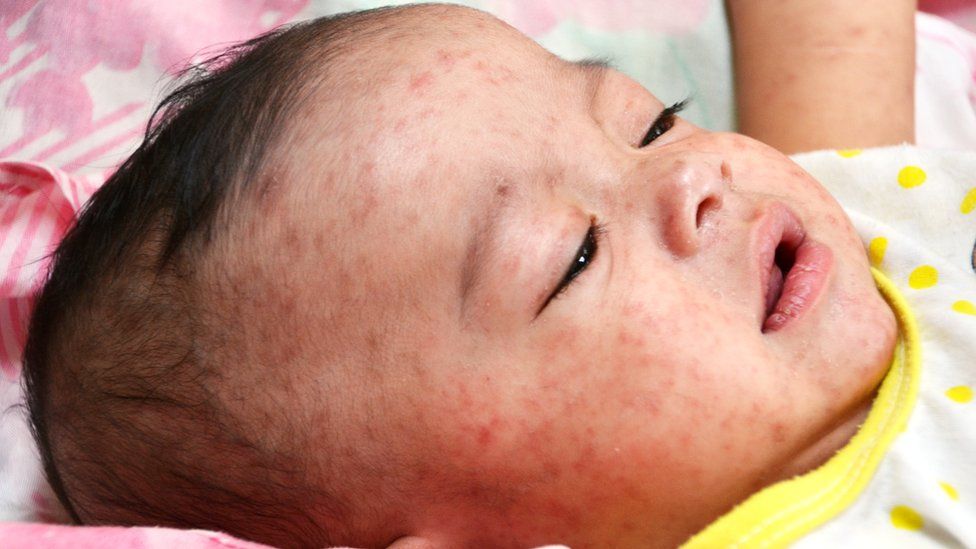
 A measles outbreak has been reported in Kasur district, Punjab, affecting several children in a local village. Rescue sources confirmed…
 ISLAMABAD – Pakistan’s National Emergency Operations Center (NEOC) confirmed the country’s first wild polio case of 2026 on Thursday. The…
 LAHORE – The Punjab government on Sunday ordered all public sector hospitals to remain on emergency alert. Authorities directed hospitals…
 A mysterious illness has claimed four lives in Atta Muhammad Khosa village, Kashmore, Sindh, officials and locals said. The disease…


INNOVATION
- The Central Ruet-e-Hilal Committee has announced that the Shawwal moon…48 minutes ago
- Sindh Chief Minister Murad Ali Shah has announced a 90-day…55 minutes ago
- The government held an important meeting in Islamabad as the…1 hour ago
- In a significant diplomatic development, Prime Minister Shehbaz Sharif and…4 hours ago