


Oil prices rise amid uncertainty over fragile Middle East ceasefire
 Rabbia Zafar
|
2 weeks ago
Rabbia Zafar
|
2 weeks ago
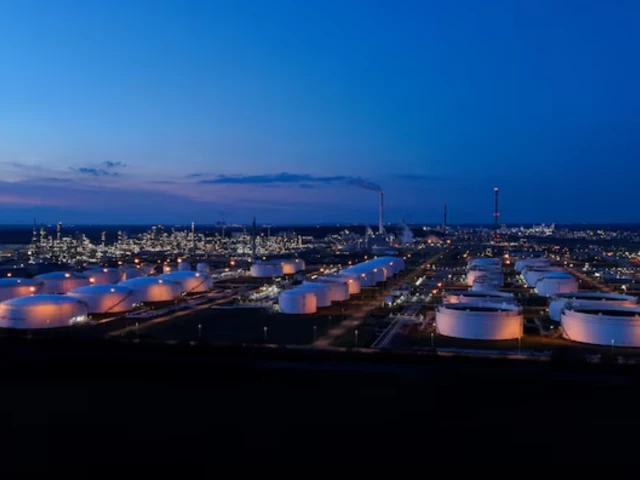
Oil prices climbed on Thursday as uncertainty surrounding a fragile two-week ceasefire in the Middle East continued to fuel concerns over restricted energy flows through the Strait of Hormuz, a critical global shipping route.
Brent crude futures increased by $1.96, or 2.07%, reaching $96.71 per barrel, while US West Texas Intermediate (WTI) crude rose by $2.60, or 2.75%, to $97.01 per barrel. The rebound comes after both benchmarks dropped below $100 in the previous session, driven by initial optimism that the ceasefire between the United States and Iran would lead to the reopening of the strait.
However, market sentiment remains cautious. Analysts say traders are hesitant to fully discount geopolitical risks, citing ongoing tensions and lack of clarity on the future of US-Iran negotiations. Vandana Hari, founder of Vanda Insights, noted that the chances of a meaningful reopening of the Strait of Hormuz in the near term appear limited, warning of continued price volatility.
The Strait of Hormuz, which handles nearly 20% of global oil and gas supply, remains under strain despite the ceasefire. Shipping companies have expressed concerns over security risks, unclear navigation guidelines, and high insurance costs, delaying the resumption of normal transit.
Compounding the situation, regional instability persists. Israeli strikes in Lebanon and reported Iranian attacks on oil infrastructure in neighboring countries have raised doubts about the durability of the ceasefire. Analysts at Standard Chartered highlighted that logistical challenges and security fears are likely to restrict additional energy supply in the coming weeks.
Although Goldman Sachs maintained its longer-term oil price forecasts, it adjusted short-term projections downward, reflecting reduced immediate risk premiums. Still, the outlook remains uncertain as markets closely monitor geopolitical developments and their impact on global energy supply chains.

Pakistan National Security Committee takes firm stance after India escalation over Pahalgam incident

Ghotki youth killed after accidental gunfire during dog shooting incident
Instagram tests “Instants” app for disappearing photos
Pope Leo condemns killings in Iran and civilian deaths in war, responds to Trump criticism
Israel and Lebanon extend ceasefire as US-Iran tensions and Strait of Hormuz crisis deepen

Pakistan to offer electric bikes to government employees under new EV push


6 minutes ago

13 minutes ago

23 minutes ago

33 minutes ago
35 minutes ago
2 hours ago
- Israel and Lebanon have agreed to extend their ceasefire for three weeks following talks held at the White House, in…
- Tensions in the Gulf region have escalated after reports that Iran has increasingly relied on fast-attack boats to intercept commercial…
 US President Donald Trump has warned that the United States could impose heavy tariffs on the United Kingdom if it…
- Asian markets showed a mixed performance on Friday while oil prices continued to rise, as uncertainty surrounding a fragile Middle…


- Federal health authorities have ordered strict nationwide enforcement of a ban on conventional disposable syringes and initiated a policy review…
 Pakistan’s second national anti-polio campaign of 2026 is continuing across the country, with efforts now in its sixth day as…
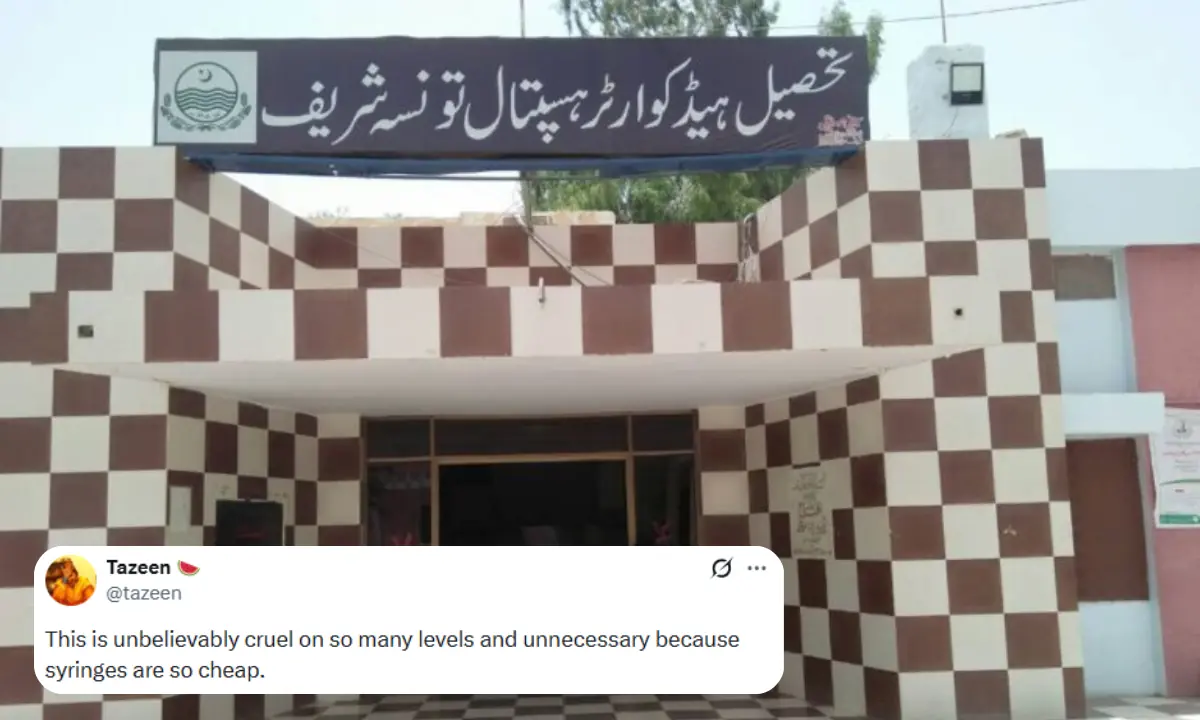
 A shocking report by BBC has triggered nationwide outrage in Pakistan after alleging severe medical malpractice at a Tehsil Headquarter…
 Pakistan’s second National Anti-Polio Campaign of 2026 is continuing across the country with full momentum, as health workers aim to…




- A United States Army Special Forces soldier has been charged…6 minutes ago
- Chinese startup DeepSeek has introduced a new artificial intelligence model,…13 minutes ago
- The National Security Committee (NSC) of Pakistan held an emergency…23 minutes ago
- In Ghotki, a tragic incident led to the death of…33 minutes ago