


Pakistan balances diplomacy success with fuel price challenges
 Rabbia Zafar
|
2 weeks ago
Rabbia Zafar
|
2 weeks ago
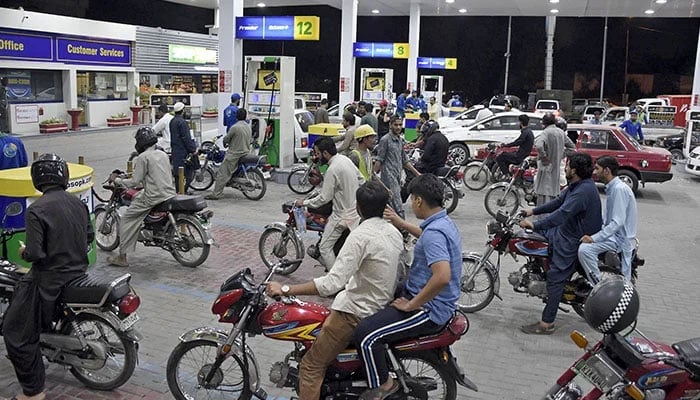
Pakistan’s successful diplomatic role in securing a ceasefire between the United States and Iran has earned global recognition, with hopes that the upcoming Islamabad Peace Summit will contribute to long-term economic stability. However, despite this diplomatic achievement, the country continues to face immediate economic challenges, particularly rising fuel prices and inflationary pressures.
While the ceasefire has helped ease global oil markets, short-term risks such as supply disruptions, shipping uncertainties, and high insurance costs persist. These factors continue to influence domestic fuel pricing, making relief for consumers limited. The government, led by Shehbaz Sharif, has attempted to strike a balance by reducing the petroleum levy while maintaining fiscal discipline under its agreement with the International Monetary Fund.
Pakistan’s economic constraints leave little room for large-scale subsidies. Unlike wealthier economies, it must manage high debt, limited foreign reserves, and ongoing fiscal commitments. As a result, the government has adopted a strategy combining controlled fuel price pass-through, targeted relief measures, and conservation policies.
The situation is further complicated by disruptions in the Strait of Hormuz, a critical artery for global energy supplies. Although oil shipments have begun to resume following the ceasefire, full normalization is expected to take time. Additionally, damage to Qatar’s LNG infrastructure has created longer-term concerns for gas supply, particularly for countries like Pakistan that rely heavily on imports.
To manage the crisis, Pakistan has implemented measures such as monitoring fuel stocks, encouraging reduced consumption, and introducing targeted subsidies for vulnerable groups. However, experts caution against returning to blanket fuel subsidies, which could undermine fiscal stability.
Looking ahead, the crisis highlights the need for structural reforms, including greater investment in renewable energy. Expanding solar power and improving energy infrastructure could reduce dependence on imported fuels and strengthen long-term economic resilience.

Pakistan National Security Committee takes firm stance after India escalation over Pahalgam incident

Ghotki youth killed after accidental gunfire during dog shooting incident
Instagram tests “Instants” app for disappearing photos
Pope Leo condemns killings in Iran and civilian deaths in war, responds to Trump criticism
Israel and Lebanon extend ceasefire as US-Iran tensions and Strait of Hormuz crisis deepen

Pakistan to offer electric bikes to government employees under new EV push


6 minutes ago

13 minutes ago

23 minutes ago

33 minutes ago
35 minutes ago
2 hours ago
- Israel and Lebanon have agreed to extend their ceasefire for three weeks following talks held at the White House, in…
- Tensions in the Gulf region have escalated after reports that Iran has increasingly relied on fast-attack boats to intercept commercial…
 US President Donald Trump has warned that the United States could impose heavy tariffs on the United Kingdom if it…
- Asian markets showed a mixed performance on Friday while oil prices continued to rise, as uncertainty surrounding a fragile Middle…


- Federal health authorities have ordered strict nationwide enforcement of a ban on conventional disposable syringes and initiated a policy review…
 Pakistan’s second national anti-polio campaign of 2026 is continuing across the country, with efforts now in its sixth day as…
 A shocking report by BBC has triggered nationwide outrage in Pakistan after alleging severe medical malpractice at a Tehsil Headquarter…
 Pakistan’s second National Anti-Polio Campaign of 2026 is continuing across the country with full momentum, as health workers aim to…




- A United States Army Special Forces soldier has been charged…6 minutes ago
- Chinese startup DeepSeek has introduced a new artificial intelligence model,…13 minutes ago
- The National Security Committee (NSC) of Pakistan held an emergency…23 minutes ago
- In Ghotki, a tragic incident led to the death of…33 minutes ago