


Debt servicing and defence spending dominate Pakistan’s expenditures
 Rabbia Zafar
|
50 minutes ago
Rabbia Zafar
|
50 minutes ago
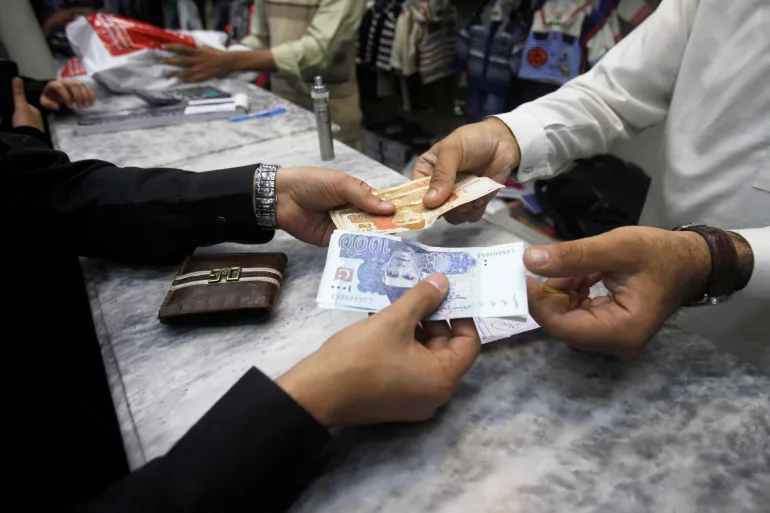
Pakistan’s debt servicing and defence expenditures remained significantly higher than development spending during the first nine months of fiscal year 2025-26, according to a new financial report issued by the Ministry of Finance Pakistan.
The report revealed that the government continued to face difficulties in fully reconciling revenue and expenditure figures, leading to a sharp rise in the statistical discrepancy recorded during the period. The gap increased to Rs444 billion in the first nine months of the current fiscal year compared to Rs205.69 billion during the same period of the previous year.
Among the provinces, Punjab recorded the highest discrepancy at Rs246.62 billion. Khyber Pakhtunkhwa followed with Rs111.918 billion, while Balochistan reported Rs104.327 billion and Sindh recorded Rs39.939 billion.
The report highlighted that federal expenditures remained heavily concentrated in three major areas: debt servicing, defence, and development programmes.
Debt servicing accounted for the largest share of government spending, reaching nearly Rs4.95 trillion during the reviewed period. Analysts say the rising burden reflects Pakistan’s ongoing challenges related to domestic and external borrowing obligations.
Defence expenditures stood at approximately Rs1.689 trillion, making it the second-largest area of federal spending. In contrast, allocations for development projects remained comparatively lower despite the country’s growing infrastructure and public welfare needs.
Economists warn that high debt repayments continue to limit the government’s fiscal space for investment in social services, infrastructure, education, and economic development initiatives.
The widening statistical gap in public accounts has also raised concerns among financial experts regarding transparency and consistency in fiscal reporting at both federal and provincial levels.
The latest figures come as Pakistan continues efforts to stabilize its economy through fiscal reforms, expenditure controls, and international financial support arrangements.

Textile sector presents budget proposals to finance minister

Pakistan and Azerbaijan reaffirm cooperation in key sectors
Debt servicing and defence spending dominate Pakistan’s expenditures



5 minutes ago

11 minutes ago
17 minutes ago

24 minutes ago

32 minutes ago
37 minutes ago
 Delegations from China and the United States held trade discussions in South Korea on Wednesday, just hours before US President…
 Despite ongoing geopolitical tensions between the United States and Iran, the city of Tucson is continuing preparations to host the…
 Donald Trump arrived in Beijing on Wednesday for his first visit to China in nearly a decade, aiming to strengthen…
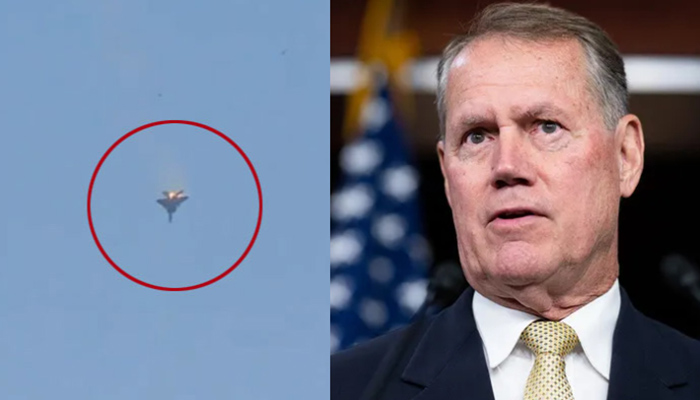
- Democratic Congressman Ed Case acknowledged that the United States suffered major aerial losses during the war with Iran. According to…
- Health authorities are working to contain a potential international spread of hantavirus after new suspected cases emerged across multiple countries,…
 The Indus Hospital, located in Karachi’s Korangi area, has earned widespread recognition for providing free and quality healthcare services to…
- The Healthcare Devices Association of Pakistan (HDAP) has raised serious concerns over the continued presence of banned reusable syringes in…
- Federal health authorities have ordered strict nationwide enforcement of a ban on conventional disposable syringes and initiated a policy review…



- Pakistan Stock Exchange witnessed a volatile and largely negative trading…5 minutes ago
- Muhammad Aurangzeb on Tuesday met a high-level delegation representing Pakistan’s…11 minutes ago
- Pakistan could see its population rise to nearly 390 million…17 minutes ago
- National Disaster Management Authority on Tuesday issued a detailed weather…24 minutes ago