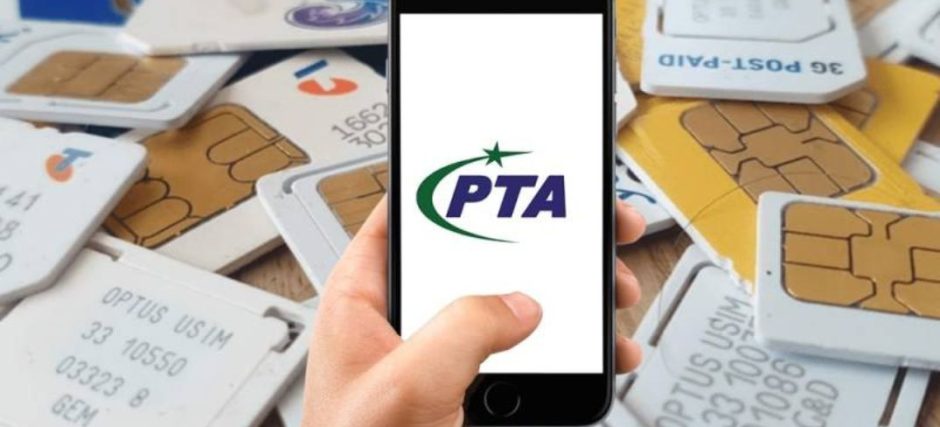
Street vendors in Karachi and other major cities are selling free SIM cards in crowded areas. These vendors attract people with promises of unlimited minutes and internet. However, these “free” offers come with a hidden cost. They require sensitive biometric data, like fingerprints and thumb impressions, putting citizens at risk.
The Pakistan Telecommunication Authority (PTA) has issued a strong warning about this growing scam. It emphasizes the danger of sharing personal biometric information with unverified sources. These SIM cards are often used for identity theft, financial fraud, and other criminal activities. The PTA reminds people that sharing or selling a SIM card registered in your name is a criminal offense.
Recently, a Pakistani citizen lost Rs 85 due to this scam. A fraudster cloned his SIM card and used it to access his bank account. The criminal made multiple unauthorized transactions, leading to significant financial loss. This incident highlights the vulnerability of mobile SIM registrations and the risk of digital identity theft.
Experts say the scam is becoming more sophisticated. Criminals are using weak spots in telecom verification protocols to steal personal data. Victims, especially women and senior citizens, are often targeted with fake offers. These scams are not only stealing money but also compromising personal security.
The National Cyber Crime Investigation Agency (NCCIA) has started an investigation into the case. Authorities are gathering information from the telecom provider and bank to trace the fraudsters. In the meantime, citizens are urged to stay vigilant and avoid falling for these deceptive offers.