


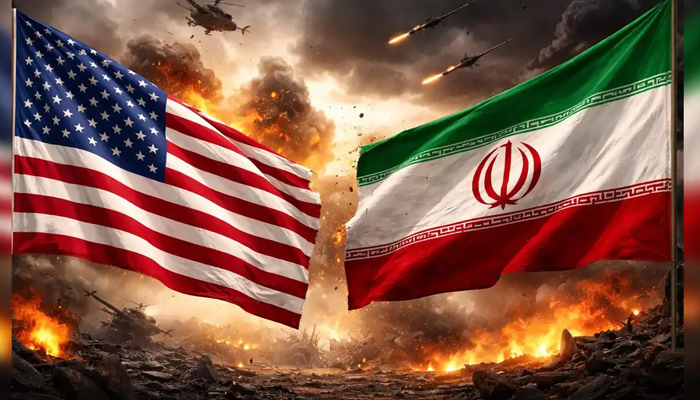
Trump’s ultimatum to Iran fuels threats of regional retaliation
 Web Desk
|
1 month ago
Web Desk
|
1 month ago
you may like





18 hours ago

1 day ago
1 day ago
1 day ago
1 day ago
1 day ago
TRENDING NOW
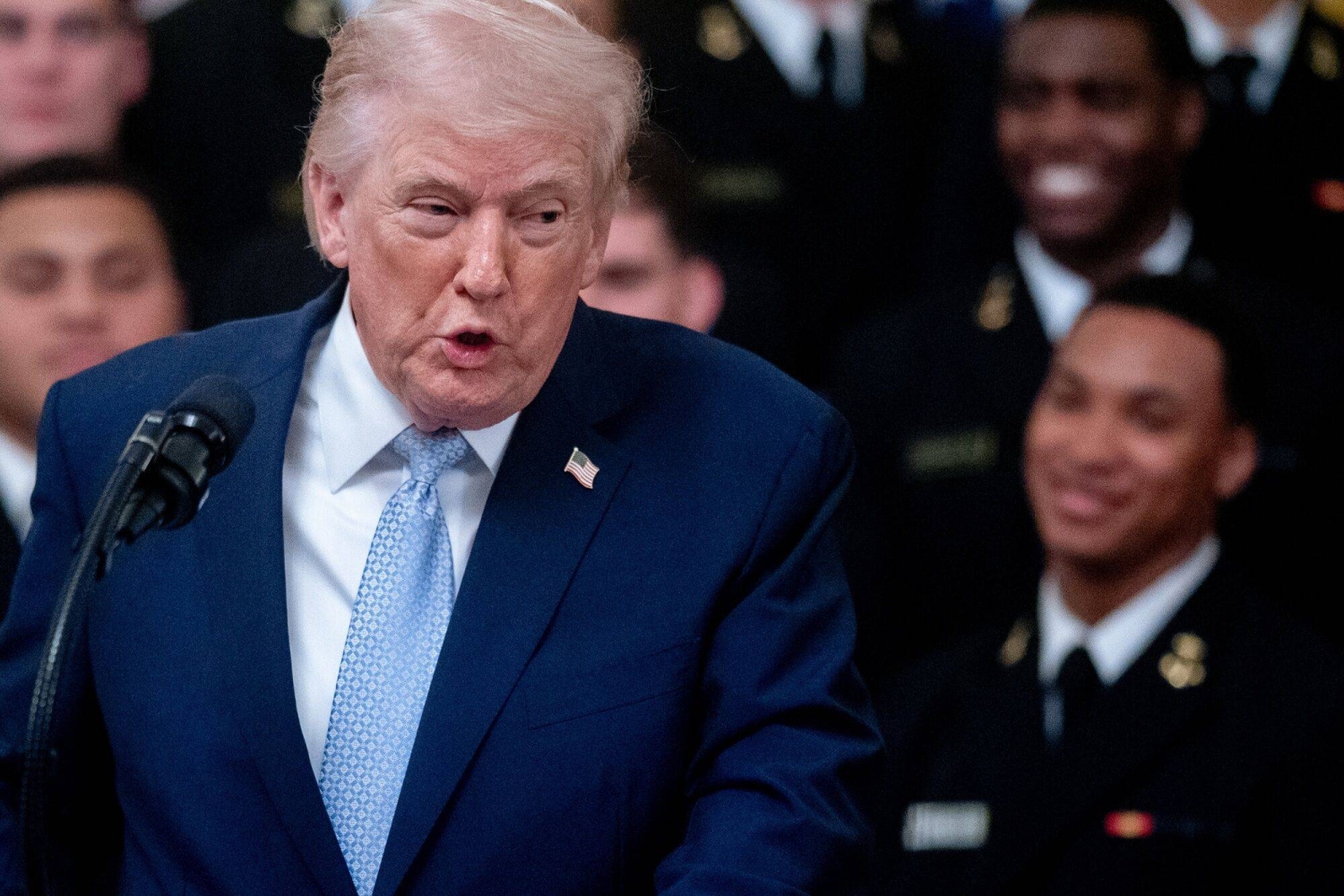
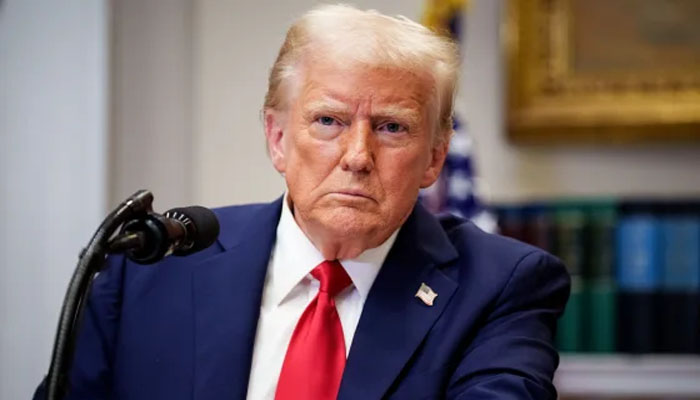
- Trump expresses dissatisfaction over Iran proposals via Pakistan talks, raising concerns about ongoing ceasefire efforts. Donald Trump said the United…
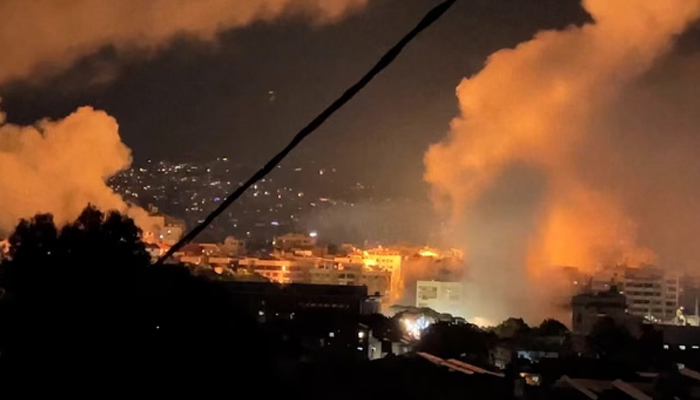
- Israel strikes southern Lebanon despite the ceasefire, causing destruction and casualties. Reports confirm that airstrikes hit multiple areas in southern…
- Iran warns of possible new war with the United States, as tensions rise between the two countries. Khatam al-Anbia Headquarters…
- Trump says US Navy acts like pirates against Iran, according to his latest statement. Donald Trump claimed that US naval…
MUST WATCH
 The Indus Hospital, located in Karachi’s Korangi area, has earned widespread recognition for providing free and quality healthcare services to…
 The Healthcare Devices Association of Pakistan (HDAP) has raised serious concerns over the continued presence of banned reusable syringes in…
- Federal health authorities have ordered strict nationwide enforcement of a ban on conventional disposable syringes and initiated a policy review…
 Pakistan’s second national anti-polio campaign of 2026 is continuing across the country, with efforts now in its sixth day as…



INNOVATION
- The Capital Development Authority allocated 13.5 acres of land in…18 hours ago
- Pakistan Stock Exchange faces sharp decline in weekly trading during…1 day ago
- Bushra Ansari reacts to viral impersonation video online, expressing disappointment…1 day ago
- Munawar Faruqui welcomes baby girl and shares joy online with…1 day ago