


Turkmenistan Aiming to Diversify Gas Exports to Multiple Nations: Ex-President
 Web Desk
|
2 months ago
Web Desk
|
2 months ago
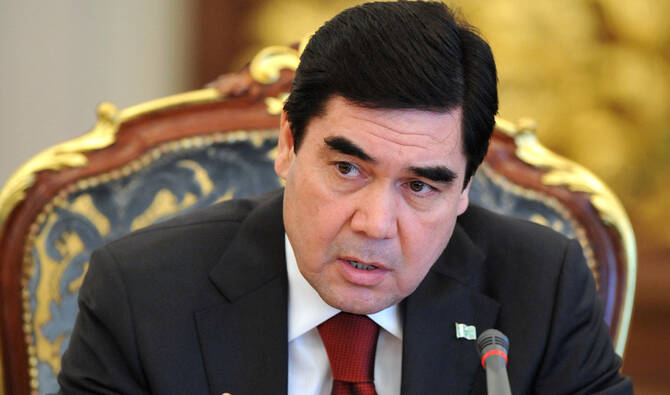
Former Turkmen President Gurbanguly Berdymukhamedov said Turkmenistan’s main goal is to diversify its gas exports. The country holds the world’s fourth-largest gas reserves. Most of its gas currently goes to China due to limited pipeline infrastructure. Berdymukhamedov served as president from 2007 to 2022 and remains influential as the country’s “National Leader.” He emphasized attracting international companies to help expand Turkmenistan’s energy reach.
Berdymukhamedov highlighted the TAPI pipeline project, which would carry gas to Afghanistan, Pakistan, and India. Turkmenistan plans to finish the first leg to Herat by the end of 2026. The project is supported by the United States but faces geopolitical challenges. Tensions between Afghanistan, Pakistan, and India have caused fighting along shared borders. Despite risks, Turkmenistan sees the pipeline as a key path to new energy markets.
He also expressed support for the Trans-Caspian Pipeline to Europe through the Caspian Sea, Azerbaijan, and Turkiye. However, Turkmenistan and Azerbaijan must first resolve disputes over Caspian seabed boundaries. Berdymukhamedov stressed that international collaboration is crucial for pipeline success. The plan aims to reduce dependence on single markets and strengthen ties with Europe. Turkmenistan hopes these projects will enhance energy security globally.
Read more : Shahbaz Sharif Meets Turkmenistan President to Strengthen Ties
The former president made these statements during a visit to the United States. Washington has recently increased engagement with Central Asian countries. Traditionally, Russia and China have held strong influence in the region. Turkmenistan seeks to balance these powers while attracting new foreign investment. The U.S. interest could support infrastructure projects and diversify Turkmenistan’s gas exports.
Turkmenistan is positioning itself as a major global energy supplier. Both TAPI and Trans-Caspian pipelines are central to this strategy. Challenges include geopolitical tensions and infrastructure limitations, but plans remain ambitious. Investors and governments are watching closely as projects develop. The country’s energy future could reshape regional and global gas markets.


Gold prices drop sharply in Pakistan amid global market decline

Punjab issues alert over rising WhatsApp hacking and impersonation fraud cases
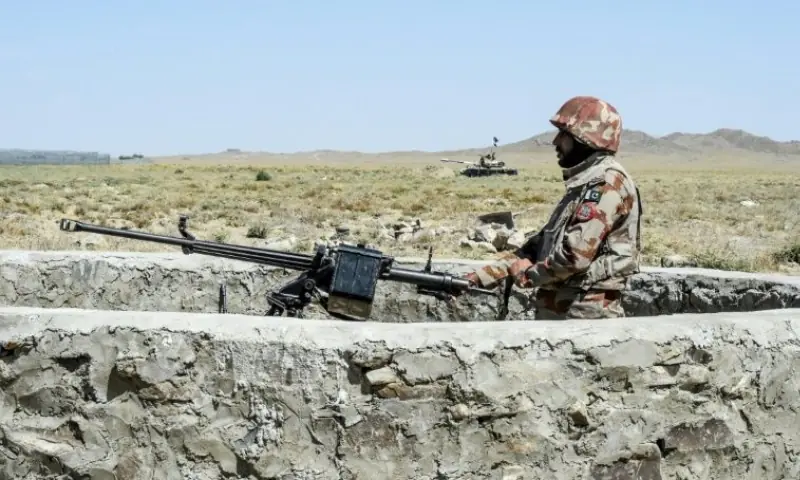
Nine killed in armed attack at copper and gold site in Balochistan’s Chagai

PSX drops over 2,750 points as profit-taking pressure hits market
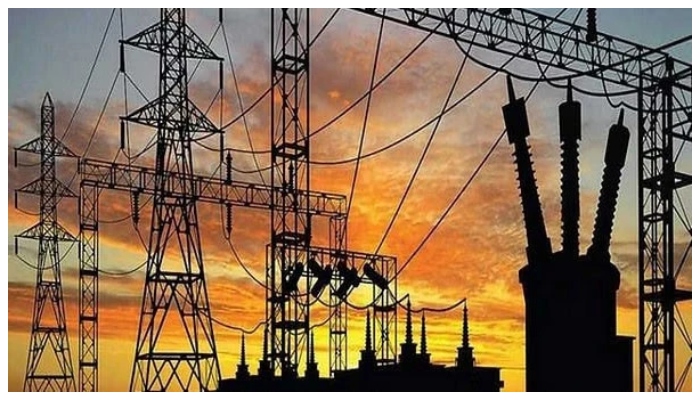
Power division says hydropower production increases during peak hours amid demand pressure

Pakistan army officer completes mission during Maarka-e-Haq amid battlefield drone activity


37 minutes ago
2 hours ago
2 hours ago

2 hours ago

2 hours ago

2 hours ago
- US intelligence officials have stated that Iran’s military capabilities remain more intact than publicly suggested by US political leadership, according…
 Iranian President Masoud Pezeshkian said that the Islamic Republic continues to support dialogue and diplomatic engagement, but accused the United…
- The Israeli military said it detained and returned dozens of Israeli civilians who briefly crossed into Syrian territory on Wednesday,…
- Pakistan hosted high-level talks between Iran and the United States in Islamabad following a fragile two-week ceasefire that came after…

- Federal health authorities have ordered strict nationwide enforcement of a ban on conventional disposable syringes and initiated a policy review…
 Pakistan’s second national anti-polio campaign of 2026 is continuing across the country, with efforts now in its sixth day as…
 A shocking report by BBC has triggered nationwide outrage in Pakistan after alleging severe medical malpractice at a Tehsil Headquarter…
 Pakistan’s second National Anti-Polio Campaign of 2026 is continuing across the country with full momentum, as health workers aim to…



- A robot powered by artificial intelligence has achieved a remarkable…37 minutes ago
- Gold prices in Pakistan recorded a significant decline on Thursday,…2 hours ago
- The Punjab Home Department has issued an emergency advisory across…2 hours ago
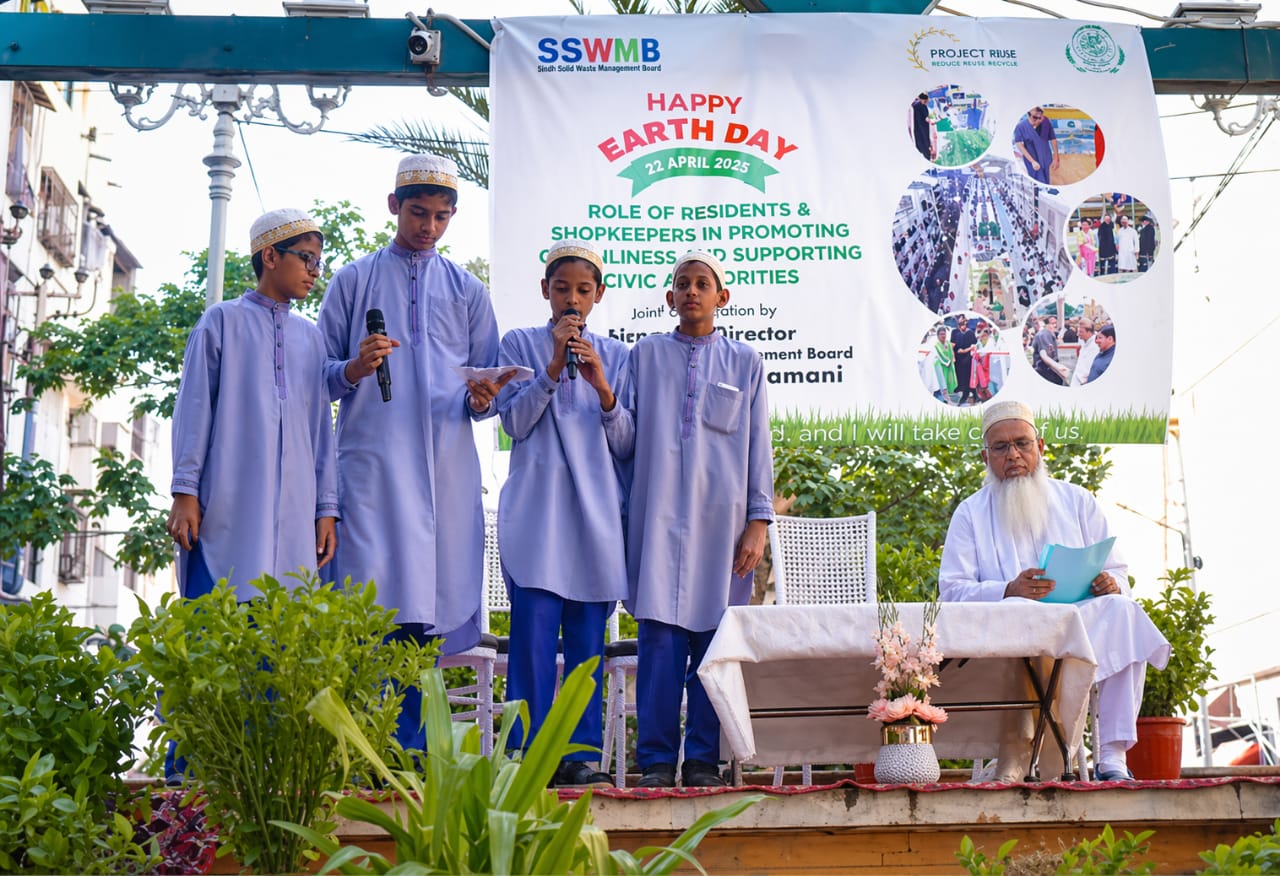
- Earth Day was celebrated in Karachi’s historic Saddar area through…2 hours ago