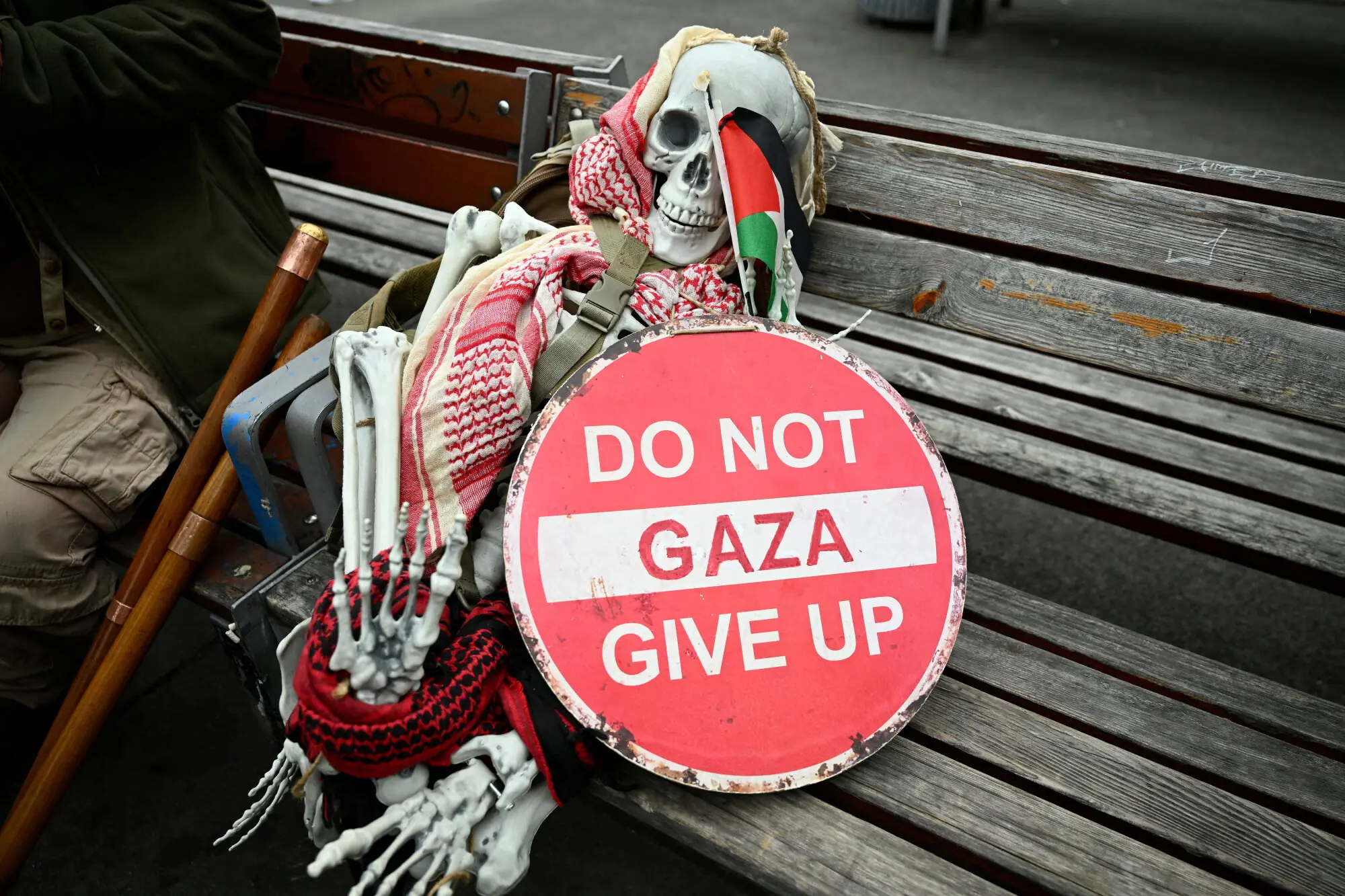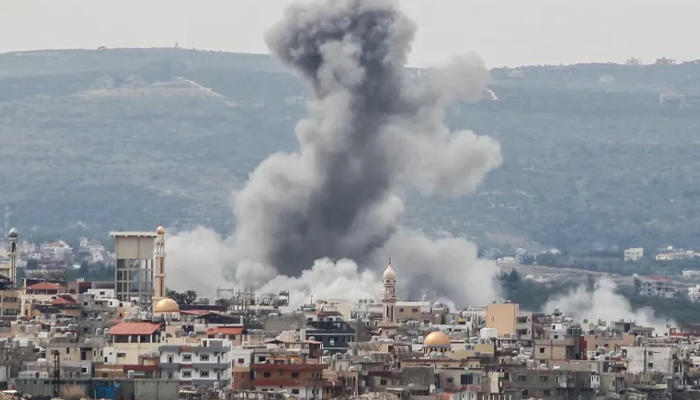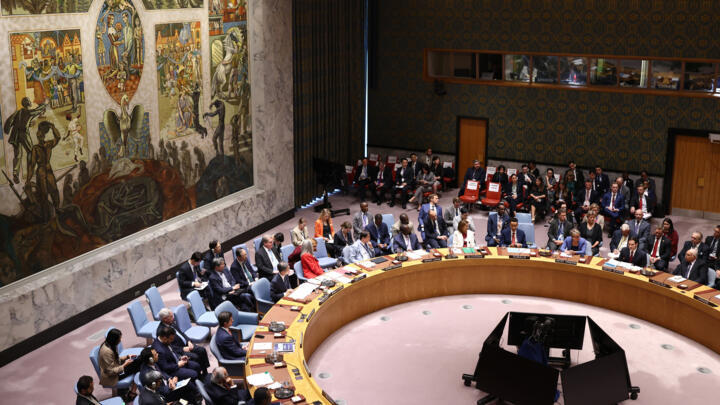
The UN Security Council will vote on Monday regarding a resolution supporting US President Donald Trump’s Gaza peace plan. Diplomats revealed that the US officially launched negotiations within the 15-member Council. The resolution aims to endorse Trump’s ceasefire plan, which follows the two-year war between Israel and Hamas. The vote will be crucial in shaping the future of Gaza and its security.
A draft resolution, seen by AFP, proposes the creation of a “Board of Peace” for Gaza. This transitional governing body would theoretically be chaired by Trump and run until 2027. The plan also includes forming a “temporary International Stabilization Force” (ISF), composed of member states. The ISF would work alongside Israel, Egypt, and newly trained Palestinian police to secure Gaza’s borders and demilitarize the region.
The latest draft of the resolution marks a shift by mentioning the possibility of a future Palestinian state. Several countries, including Egypt, Saudi Arabia, and Turkey, have called for the swift adoption of the resolution. In a joint statement, the US and its allies expressed their strong support for the measure. These countries urged the UN Security Council to act quickly to approve the resolution.
However, Russia has proposed an alternative resolution that differs significantly from the US draft. Russia’s version does not include the creation of a peace board or an international force in Gaza. Instead, it calls for the UN Secretary-General to report on the possibility of deploying a stabilization force. The Russian proposal also emphasizes a two-state solution for Israel and Palestine, a principle not reflected in the US draft.
The US has warned that rejecting its resolution could lead to a return to conflict in Gaza. Ambassador Mike Waltz described the ceasefire as “fragile” and cautioned against political games that could prolong the region’s instability. While there is broad support for the principles of the peace plan, some Council members have raised concerns about the resolution’s details, particularly regarding monitoring mechanisms and the role of the Palestinian Authority.