


Pakistan’s Finance Minister Highlights Population, Climate Challenges
 Web Desk
|
5 months ago
Web Desk
|
5 months ago
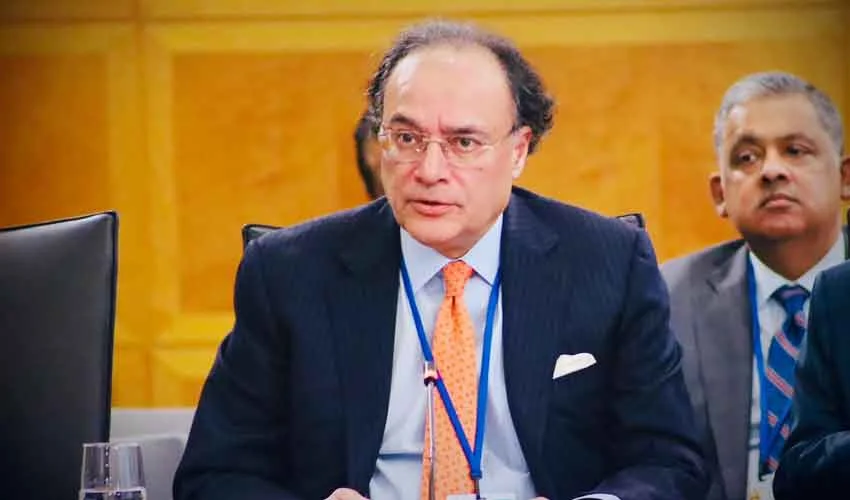
Pakistan’s Finance Minister Muhammad Aurangzeb has highlighted two critical long-term challenges threatening the country’s economic future: rapid population growth and climate change. Speaking at a ceremony in Islamabad, the minister acknowledged that Pakistan’s economy is improving under the International Monetary Fund (IMF) programme. However, he warned that this progress could be unsustainable without addressing the country’s demographic and environmental issues.
Aurangzeb emphasized that Pakistan’s population is growing at an alarming annual rate of 2.5%. This, he said, places immense pressure on national resources, public services, and future development plans. The finance minister pointed out that no country can achieve lasting economic growth with such high population growth, which strains the country’s ability to plan and allocate resources effectively.
The minister also noted that climate change is worsening Pakistan’s economic challenges. As one of the world’s most climate-vulnerable nations, Pakistan faces increased risks from extreme weather events, which further hinder its economic stability. Aurangzeb stressed that without urgent action to control both population growth and climate risks, Pakistan’s long-term resilience would be at serious risk.
Despite not being a major contributor to global carbon emissions, Aurangzeb argued that population trends still significantly impact Pakistan’s carbon footprint. He pointed out that reducing the population growth rate would naturally lead to a reduction in emissions, helping mitigate environmental pressures. This underscores the interconnectedness of demographic growth and environmental sustainability.
To tackle these challenges, the finance minister called for coordinated national policies, public awareness, and long-term planning. He stressed that economic reforms alone would not ensure sustainable prosperity unless these underlying demographic and environmental issues were addressed. For Pakistan to build long-term economic resilience, a holistic approach involving both economic and social reforms is essential.
READ MORE : Finance Minister reviews progress on National Health and Population Policy 2025-26
According to a statement from the Ministry of Finance, the NHPP team provided an update on the policy’s formulation, emphasizing evidence-based decision-making and addressing critical health issues while considering the country’s financial constraints.
The policy’s key objectives include restructuring the health infrastructure, managing rapid population growth, integrating health and population strategies, and securing increased public sector funding for healthcare. The team also proposed measures to strengthen health systems, improve resource allocation, and ensure essential services reach vulnerable populations.







2 hours ago
3 hours ago
3 hours ago
5 hours ago
5 hours ago
7 hours ago
- A video of Melania Trump reportedly pulling her hand away from Donald Trump has gone viral on social media. The…
- Russian President Vladimir Putin has offered a Ukraine ceasefire on May 9. The proposal coincides with Russia’s Victory Day celebrations. This…
- U.S. President Donald Trump signaled talks with Iran after threatening war resumption, offering a more positive tone. He said phone…
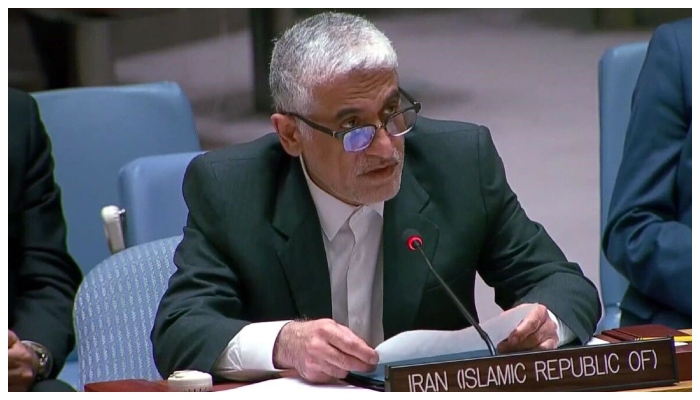
- Iran has formally protested to the United Nations following allegations that the United States seized Iranian-linked vessels in international waters.…
 Federal health authorities have ordered strict nationwide enforcement of a ban on conventional disposable syringes and initiated a policy review…
 Pakistan’s second national anti-polio campaign of 2026 is continuing across the country, with efforts now in its sixth day as…
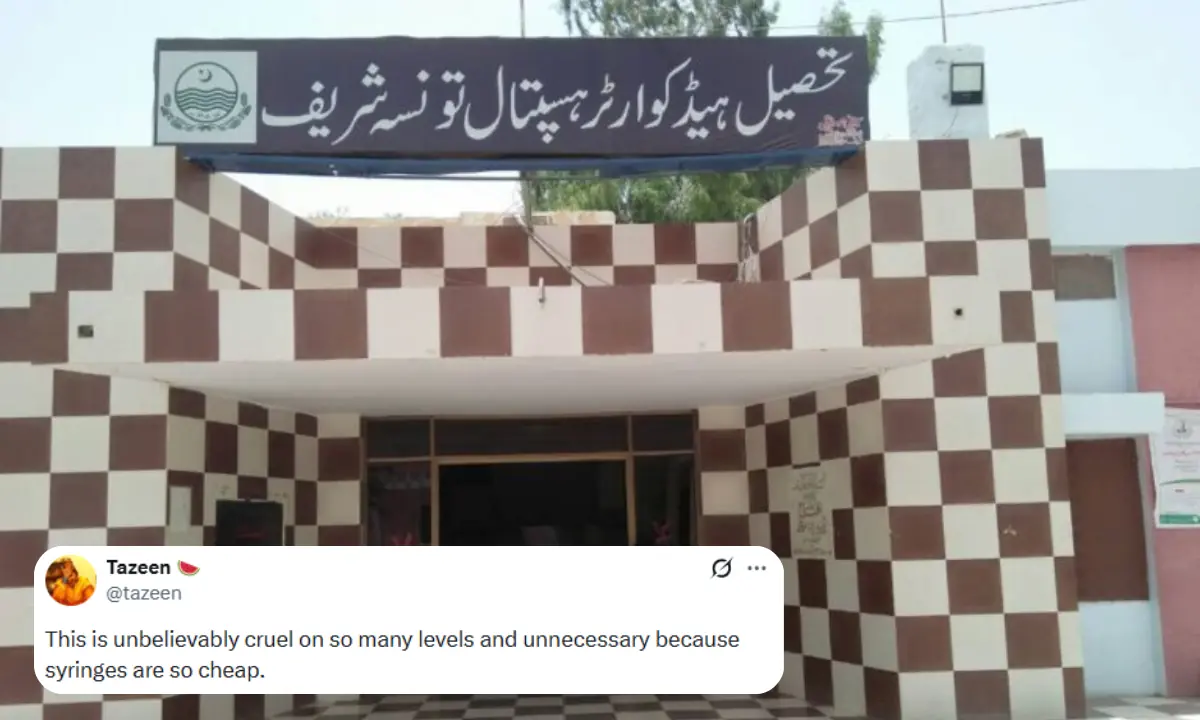
 A shocking report by BBC has triggered nationwide outrage in Pakistan after alleging severe medical malpractice at a Tehsil Headquarter…
 Pakistan’s second National Anti-Polio Campaign of 2026 is continuing across the country with full momentum, as health workers aim to…




- A video of Melania Trump reportedly pulling her hand away…2 hours ago
- Russian President Vladimir Putin has offered a Ukraine ceasefire on May…3 hours ago
- U.S. President Donald Trump signaled talks with Iran after threatening…3 hours ago
- The Middle East war has damaged Pakistan’s two-year economic recovery…5 hours ago