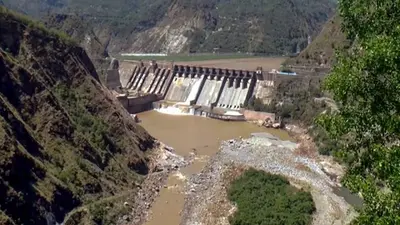
ISLAMABAD – India has released a significant volume of water into the Chenab River, sparking concerns in Pakistan. The move, which was not communicated to Pakistan, has raised fears of agricultural damage, particularly to the wheat crop. Experts suggest that India emptied its dams to disrupt Pakistan’s farming activities.
The surge in water flow reached 58,300 cusecs, leaving Pakistani authorities worried about the potential consequences. Specialists fear that India may soon refill its dams, reducing the water flow to zero, which could worsen the damage to crops. This situation has prompted accusations of “water terrorism” against India, with critics highlighting the impact on vital crops like wheat.
Earlier this year, severe flooding hit Pakistan’s Punjab province in late August and September 2025. The flooding, caused by heavy monsoon rains in India, was worsened by the release of water from Indian dams into shared rivers, including the Ravi, Chenab, and Sutlej. These floods led to large-scale evacuations, significant crop destruction, and complicated relief efforts.
The ongoing situation has raised alarms over water management practices between the two countries. Pakistan’s agricultural sector, which is heavily dependent on water from shared rivers, could face more challenges if the issue persists. Experts call for more transparency and communication between the two nations to avoid further damage.
Pakistan’s government has urged India to follow proper protocols and notify Pakistan ahead of any water releases. In the absence of such cooperation, experts warn that water mismanagement could exacerbate the already fragile agricultural conditions in Pakistan.