


Poultry industry seeks relief in budget
 Web Desk
|
2 hours ago
Web Desk
|
2 hours ago
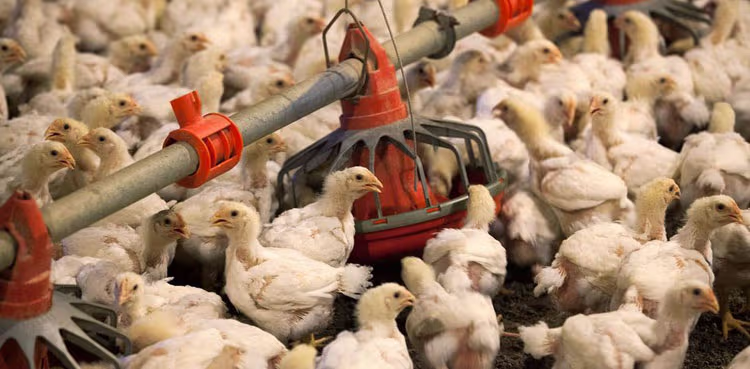
Pakistan’s poultry industry has voiced concerns over the federal budget for the fiscal year 2026-27, saying the sector has not received the relief needed to address its growing challenges and support future expansion.
Speaking to the media, poultry industry representative Khalique Arshad expressed disappointment with the budget, stating that no significant incentives or support measures were announced for poultry farmers and producers.
He said the industry continues to face financial pressure due to high taxes on essential vaccines and medicines used to protect chicks from diseases and ensure healthy production. According to Arshad, lowering taxes on these critical inputs would reduce production costs, improve profitability, and encourage investment across the poultry supply chain.
The industry representative also highlighted concerns regarding the General Sales Tax (GST) imposed on day-old chicks. He noted that producers are currently paying a tax of Rs10 per chick despite facing losses in various segments of the business. He argued that such taxation increases the burden on farmers and limits the sector’s ability to grow.
Arshad maintained that providing tax relief on poultry-related inputs could help increase production capacity, strengthen food security, and generate additional employment opportunities. He urged policymakers to review the taxation framework and introduce measures aimed at supporting one of the country’s key agricultural industries.
The concerns come shortly after Finance Minister Muhammad Aurangzeb presented the federal budget for 2026-27 in the National Assembly. The budget has a total outlay of Rs18.7 trillion and outlines the government’s fiscal priorities for the coming year.
Industry stakeholders are now calling for further consultations with the government to address sector-specific issues and ensure that poultry producers can continue contributing to economic activity and food supply. They believe targeted relief measures would help improve sustainability and encourage long-term growth in the industry.



Israeli air force planned Iran strike, chief reveals





2 hours ago
2 hours ago

2 hours ago

2 hours ago
3 hours ago
3 hours ago
- The chief of Israel’s air force has revealed that a major military operation against Iran was planned for June 8…
- US President Donald Trump has said that the proposed new agreement with Iran will serve as a strong barrier against…
- Italy has announced the deployment of an advanced air defense system in central Türkiye as part of NATO’s ongoing defense…
- Pakistan’s diplomatic efforts received recognition in the British Parliament, where members of the House of Lords praised the country’s role…



 Karachi is witnessing a worrying surge in congenital heart diseases among newborns, with medical experts warning that thousands of children…
 Pakistan now has the highest diabetes rate in the world, according to the latest IDF report. The report shows that…
- South Africa, Eswatini, and Zambia have begun administering lenacapavir, a groundbreaking HIV-prevention injection, marking a major milestone in the fight…
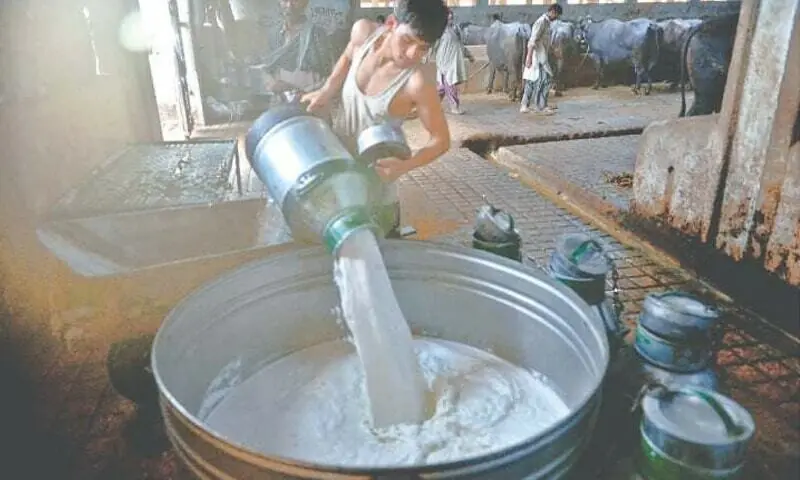
 KARACHI: The Sindh High Court’s Constitutional Bench was informed on Monday that all milk samples collected in Karachi are harmful…





- Indian social media sensation Orhan Awatramani, popularly known as Orry,…2 hours ago
- Pakistani actress Momina Iqbal has spoken openly about the emotional…2 hours ago
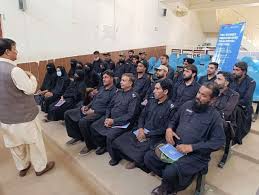
- The merger of the Levies Force into the Balochistan Police…2 hours ago
- Pakistan’s poultry industry has voiced concerns over the federal budget…2 hours ago