


Power Minister Announces Key Reforms, Privatisation Plans for Power Distribution Companies
 Web Desk
|
1 year ago
Web Desk
|
1 year ago
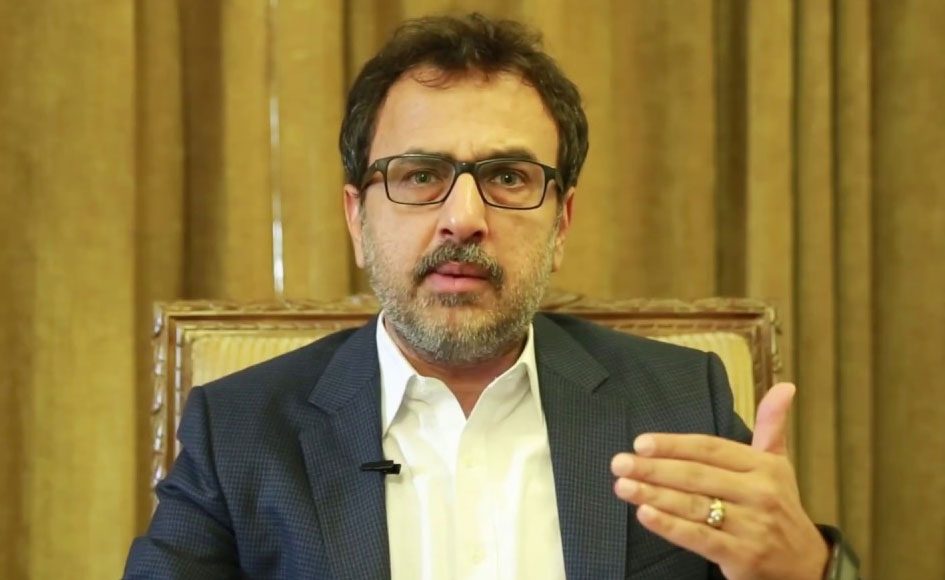
ISLAMABAD: Minister for Power Division Sardar Awais Ahmed Khan Leghari has expressed confidence that the privatisation of three major power distribution companies (DISCOs) will be completed by the end of next year, marking a significant milestone in the government’s ongoing efforts to reform Pakistan’s energy sector.
Speaking at a press conference on Saturday, the minister highlighted the government’s accomplishments over the past nine months under the leadership of Prime Minister Shehbaz Sharif. These included strides toward privatisation, efficiency improvements, and efforts to reduce the financial burden on consumers. Notably, the minister revealed that the average electricity tariff has dropped to Rs 44.04 per unit, down from Rs 48.70 per unit, following significant reforms in the power sector. Industrial consumers, in particular, have seen a reduction in their electricity rate, with tariffs decreasing from Rs 59.50 per unit to Rs 47.17 per unit.
A key focus of the government’s approach has been the reduction of cross-subsidies. The minister reported that Rs 150 billion in subsidies have been eliminated from the industrial sector, a move designed to boost industrial growth and job creation.
Additionally, the government is working on enhancing Pakistan’s power transmission infrastructure. As part of this effort, the National Transmission and Dispatch Company (NTDC) will be divided into three distinct entities: the National Grid Company of Pakistan, the Energy Infrastructure Development and Management Company, and the Independent System and Market Operator. These reforms aim to streamline operations, improve reliability, and foster a more competitive and transparent electricity market.
Leghari also emphasised the government’s successful negotiations with Independent Power Producers (IPPs), which have resulted in significant savings. The termination of agreements with five IPPs in the first phase saved Rs 411 billion, while agreements with eight bagasse-based IPPs in the second phase led to annual savings of Rs 8.8 billion, totalling Rs 238 billion in overall savings. Ongoing talks with 16 additional IPPs could further save the national exchequer an additional Rs 481 billion.
The minister also outlined the government’s efforts to solarise agricultural tube wells in Balochistan, with a project that will see 27,000 tube wells converted to solar power at a cost of Rs 55 billion. The federal government will provide 70% of the funding, while the provincial government will contribute the remaining 30%. This initiative is expected to promote green energy and modernise agriculture in the province.
Leghari reaffirmed the government’s commitment to addressing Pakistan’s energy challenges, despite opposition attempts to destabilise the country. He criticised the previous government’s handling of the energy sector, claiming that the Pakistan Tehreek-e-Insaf (PTI) led by Imran Khan did little to advance reforms during its tenure.
Looking ahead, the minister outlined plans for the establishment of an Independent Market Operator within the power sector, which will oversee the buying and selling of electricity, ensuring greater transparency and competition. Additionally, a special electricity tariff of Rs 26 per unit has been introduced for domestic, commercial, and industrial consumers during the winter months to ease the financial burden on consumers.
The government is also preparing to introduce new tariffs for electric vehicles (EVs) under an upcoming EV policy aimed at reducing reliance on imported fuels, cutting greenhouse gas emissions, and improving air quality. The policy will foster economic growth through job creation in local manufacturing and the development of EV charging infrastructure.
In terms of infrastructure, the government has approved the power distribution system, and a major transmission line project from Rahim Yar Khan to Matairi is expected to be completed within the next two years.
Leghari concluded by reiterating the government’s commitment to providing affordable, sustainable, and reliable electricity to the people of Pakistan while managing circular debt and restructuring the power sector’s debt in collaboration with the Ministry of Finance. The minister also stressed the importance of further reforms in the power regulator and highlighted significant reductions in losses in DISCOs across the country, except in Sindh and Balochistan.






6 hours ago
6 hours ago
6 hours ago
7 hours ago
8 hours ago
9 hours ago
- Iran has formally protested to the United Nations following allegations that the United States seized Iranian-linked vessels in international waters.…
- US President Donald Trump has claimed that King Charles III agrees with the position that Iran should not possess nuclear…
- A recent statement by Sir Christian Turner, the United Kingdom’s ambassador to the United States, has sparked debate over the…
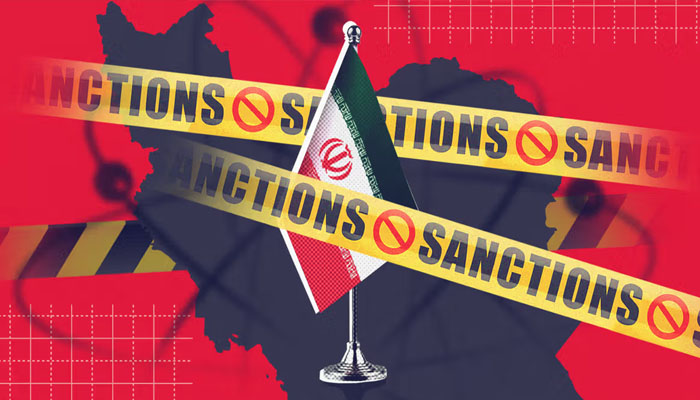
- The United States has imposed sanctions on 35 Iranian entities and individuals, increasing pressure on Iran’s financial network. Officials said…
 Federal health authorities have ordered strict nationwide enforcement of a ban on conventional disposable syringes and initiated a policy review…
 Pakistan’s second national anti-polio campaign of 2026 is continuing across the country, with efforts now in its sixth day as…
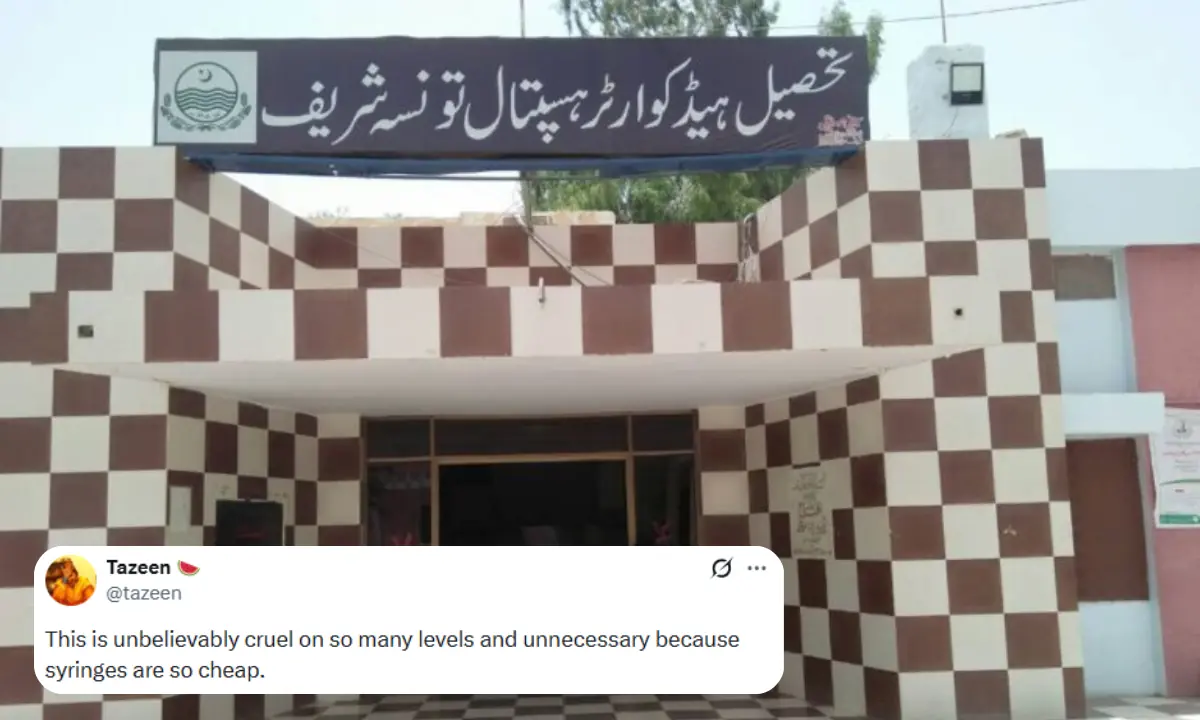
 A shocking report by BBC has triggered nationwide outrage in Pakistan after alleging severe medical malpractice at a Tehsil Headquarter…
 Pakistan’s second National Anti-Polio Campaign of 2026 is continuing across the country with full momentum, as health workers aim to…




- Iran has formally protested to the United Nations following allegations…6 hours ago
- Germany has offered comprehensive support to Pakistan in coaching education…6 hours ago
- In Karachi and across Pakistan, gold prices have recorded a…6 hours ago
- Prime Minister Shehbaz Sharif has stated that ongoing tensions in…7 hours ago