


PHEC vehicle purchase plan raises questions amid austerity drive
 Rabbia Zafar
|
6 days ago
Rabbia Zafar
|
6 days ago
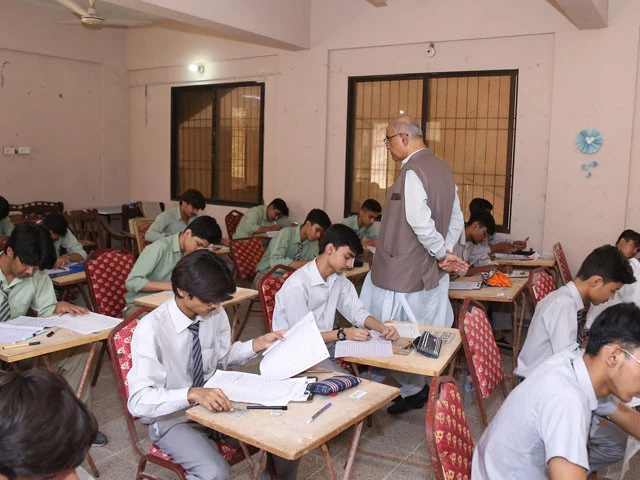
The Punjab Higher Education Commission (PHEC) has come under scrutiny after proposing the purchase of vehicles worth approximately Rs70 million, despite ongoing austerity measures imposed by the provincial government.
According to official sources, the commission has sought approval to procure a luxury vehicle for its chairman along with four additional cars for senior officials. The proposal has been forwarded to the Punjab Finance Department, but its timing has sparked concern within government circles.
The move appears to contradict austerity directives issued under the leadership of Maryam Nawaz, which require all departments to reduce non-essential expenditures. These measures include strict limits on vehicle purchases, administrative luxuries, and discretionary allowances.
Officials within the Higher Education Department questioned the justification provided by PHEC, which cited “operational needs” and “mobility requirements.” Critics argue that such needs can typically be met through existing government transport pools and shared resources, making new purchases unnecessary.
The controversy has been further intensified by reports that the commission recently disbursed honoraria to certain employees, with allegations suggesting that payments worth millions were approved without a transparent process.
“This is not just about vehicles; it reflects a broader mindset,” said a senior official, adding that such decisions undermine public trust at a time when the government is urging fiscal discipline across all sectors.
Financial analysts warn that approving such expenditures could weaken the credibility of austerity policies and set a precedent for other departments to seek similar exemptions.
With inflation rising and increasing demands on education and public services, stakeholders have stressed that funds should instead be allocated toward improving universities, supporting research initiatives, and addressing student needs rather than administrative spending.


34 minutes ago
34 minutes ago
1 hour ago

1 hour ago
3 hours ago
3 hours ago
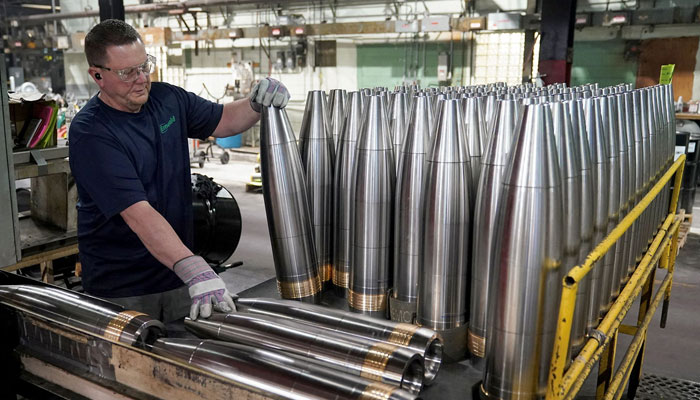
- The US government seeks help from major American carmakers as arms stocks strain due to ongoing conflicts involving Iran and…
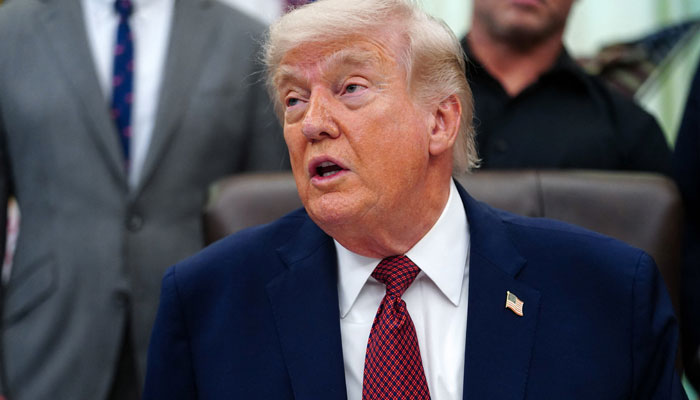
- President Donald Trump said Iran cannot blackmail the United States over the Strait of Hormuz. He claimed that Iran wants…
- Iran has closed the Strait of Hormuz once again after accusing the United States of imposing a blockade. Officials confirmed…
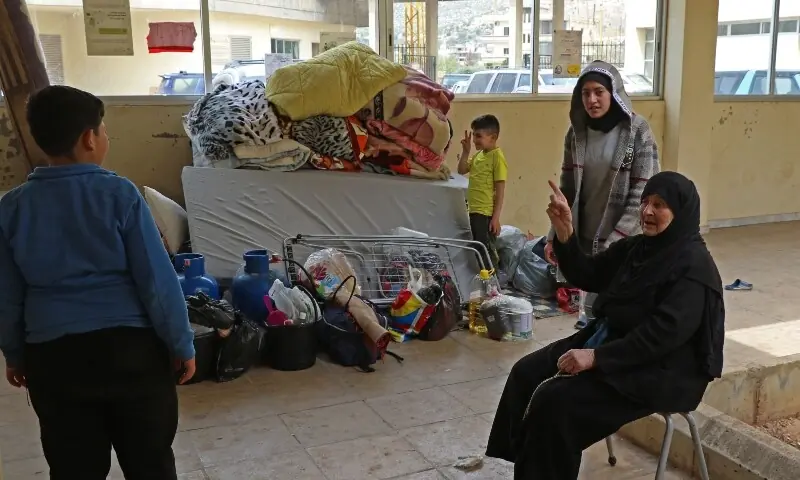
 Residents of the southern Lebanese city of Nabatiyeh are grappling with the aftermath of a deadly airstrike that flattened a…
 Pakistan’s second national anti-polio campaign of 2026 is continuing across the country, with efforts now in its sixth day as…
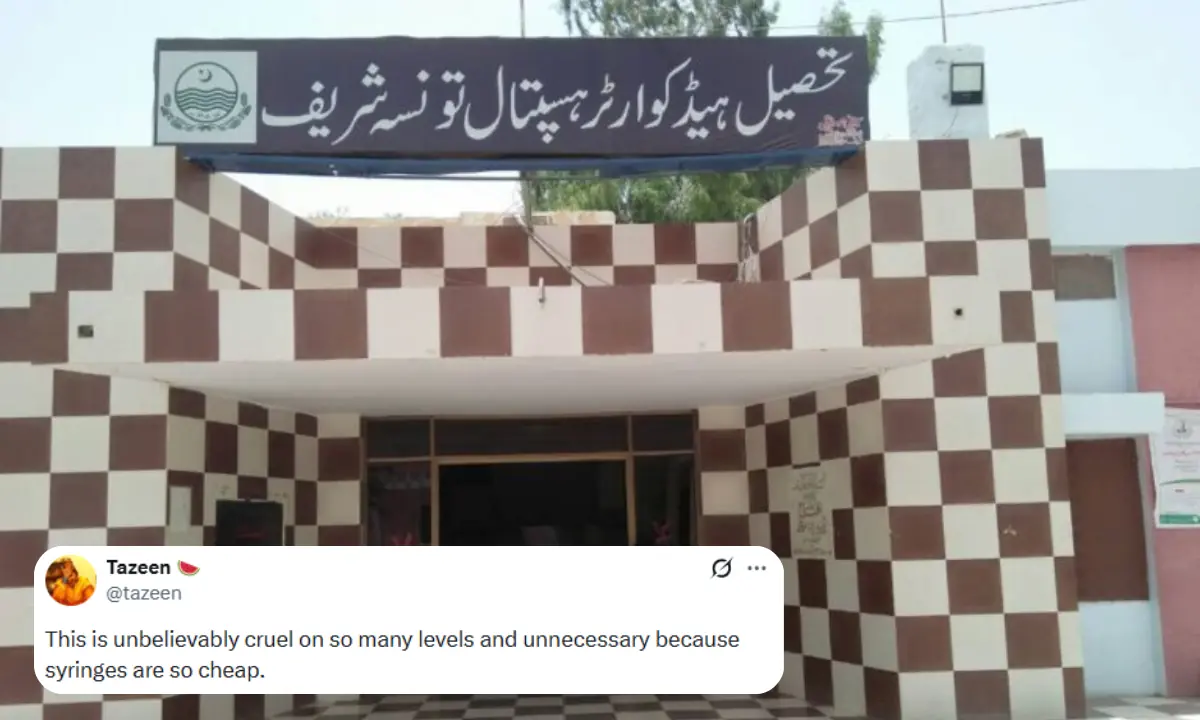
 A shocking report by BBC has triggered nationwide outrage in Pakistan after alleging severe medical malpractice at a Tehsil Headquarter…
 Pakistan’s second National Anti-Polio Campaign of 2026 is continuing across the country with full momentum, as health workers aim to…
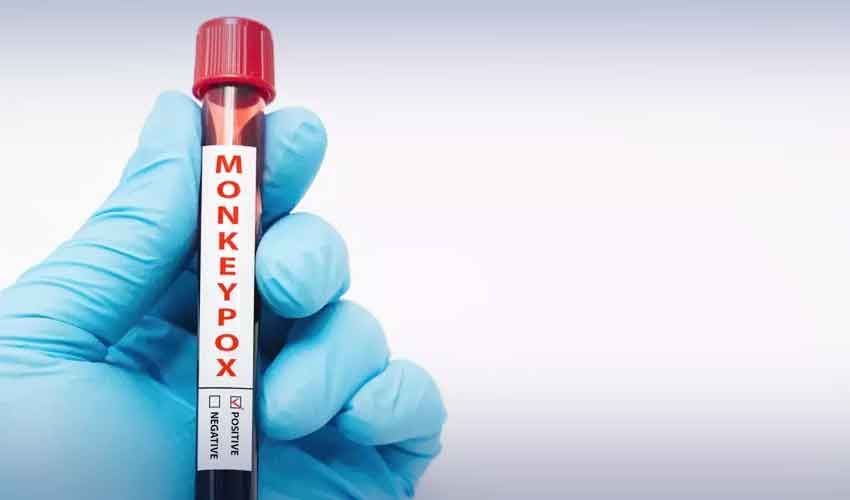
- A new case of monkeypox has been reported in Karachi, raising fresh concerns among health authorities in the city. According…




- The US government seeks help from major American carmakers as…34 minutes ago
- President Donald Trump said Iran cannot blackmail the United States…34 minutes ago
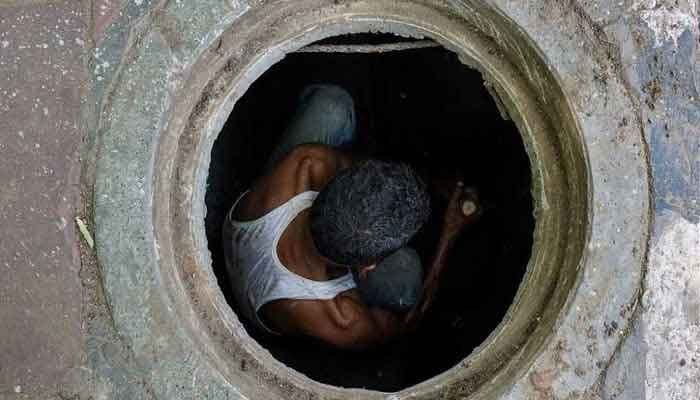
- Three workers die in Karachi during a sewer cleaning tragedy…1 hour ago
- Iran has closed the Strait of Hormuz once again after…1 hour ago