


UK moves to ban smartphones in schools under new law
 Rabbia Zafar
|
3 hours ago
Rabbia Zafar
|
3 hours ago

The United Kingdom has decided to introduce a formal nationwide ban on smartphones in schools as part of new legislative changes aimed at improving student wellbeing and classroom discipline. The government plans to amend the Children’s Wellbeing and Schools Bill to make restrictions on mobile phone use legally binding across all educational institutions.
According to Education Minister Jacqui Smith, the primary goal of the policy is to enhance students’ concentration, reduce distractions in classrooms, and strengthen overall discipline within schools. She said that excessive smartphone use has become a growing concern for teachers and parents, affecting both academic performance and social interaction among students.
While many schools across the UK have already implemented their own internal bans or restrictions on mobile phone usage, the new legislation will standardise the policy nationwide, ensuring that all schools are required to enforce similar rules. This move is expected to close gaps where enforcement has previously varied from one institution to another.
The government believes the measure will help create a more focused learning environment and encourage healthier digital habits among children and teenagers. Officials also argue that limiting smartphone access during school hours can reduce incidents of cyberbullying and improve face-to-face communication among students.
The proposed amendment is part of a broader effort to address children’s wellbeing in educational settings and reflects growing international debate over the impact of smartphones on youth development. Further details on enforcement mechanisms and exceptions are expected to be outlined as the bill progresses through parliament.
Education experts are expected to review the policy closely, with discussions likely to continue regarding how schools will implement and monitor compliance. The government has indicated that guidance will be issued to support schools in applying the new rules effectively once the legislation is passed.

NASA unveils powerful Roman telescope for deep space exploration

Pakistan freelancers drive surge in IT export earnings

PSX remains volatile as investors await Iran US talks outcome

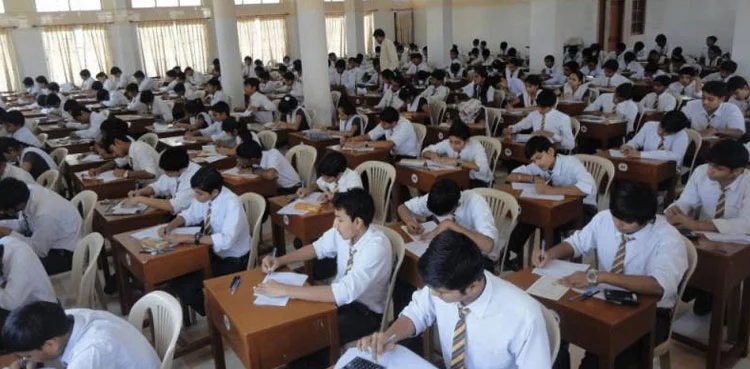
Sindh suspends board officials amid cheating and exam leak probe in Karachi

Oil prices surge nearly 5% as Iran tensions shake global markets
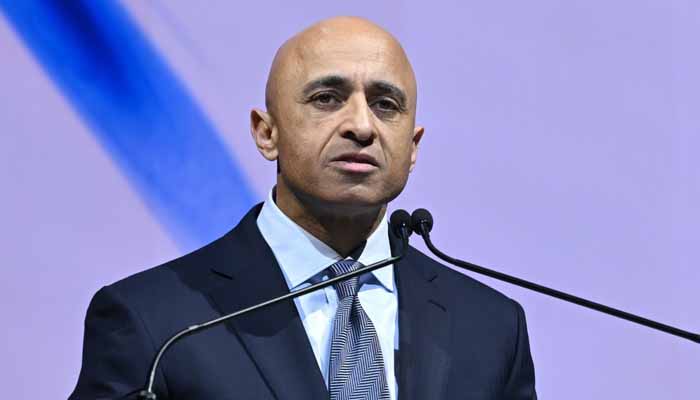
UAE envoy says country does not need external financial support



60 minutes ago

1 hour ago

1 hour ago
2 hours ago

2 hours ago
3 hours ago
- The NASA has unveiled its latest space observatory, the Nancy Grace Roman Space Telescope, designed to explore distant planets and…
- The United Arab Emirates’ ambassador to the United States, Yousef Al Otaiba, has stated that the UAE does not require…
- Kuwait has issued two new government decisions revoking citizenship from 172 individuals as part of an ongoing national review of…
- Iran’s military has issued a strong warning to the United States and Israel, stating that any act of aggression against…

 Pakistan’s second national anti-polio campaign of 2026 is continuing across the country, with efforts now in its sixth day as…
 A shocking report by BBC has triggered nationwide outrage in Pakistan after alleging severe medical malpractice at a Tehsil Headquarter…
 Pakistan’s second National Anti-Polio Campaign of 2026 is continuing across the country with full momentum, as health workers aim to…
 A new case of monkeypox has been reported in Karachi, raising fresh concerns among health authorities in the city. According…






- The NASA has unveiled its latest space observatory, the Nancy…60 minutes ago
- Pakistan’s information technology sector continues to show steady growth, with…1 hour ago
- The Pakistan Stock Exchange (PSX) showed a fragile and directionless…1 hour ago
- The Punjab government has decided to establish a Punjab Film…2 hours ago