


Pakistan moves to build strategic oil reserves amid supply security concerns
 Rabbia Zafar
|
3 hours ago
Rabbia Zafar
|
3 hours ago
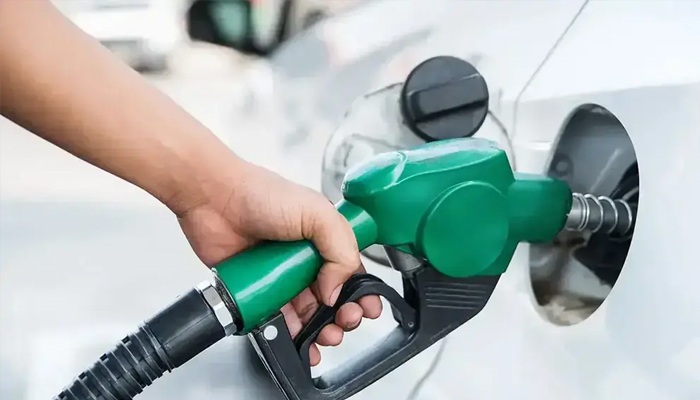
Pakistan has initiated progress on a plan to establish strategic petroleum reserves aimed at building fuel storage capacity sufficient for up to 90 days, according to official sources. The move is intended to strengthen energy security amid rising global uncertainty in oil markets.
The initiative is being developed in response to potential disruptions in global oil supply routes, particularly the Strait of Hormuz, which is considered a critical passage for international oil shipments. Concerns over instability in the region have increased following recent military tensions involving the United States and Israel in relation to Iran, which have further unsettled global energy markets.
Pakistani authorities view the situation as a reminder of the country’s heavy reliance on imported oil and its vulnerability to external supply shocks. In this context, the government is exploring policy measures to finance and support the creation of strategic storage infrastructure.
Power breakdown at Dhabeji pumping station raises water shortage fears
As part of the emerging plan, authorities are considering the imposition of a petroleum levy on petrol and diesel. Officials estimate that a levy of Rs10 per litre could generate approximately Rs200 billion annually, based on an estimated annual consumption of 20 billion litres of fuel across the country.
Over a period of three years, this revenue could accumulate to around Rs600 billion, equivalent to more than $2 billion, which would be directed toward the development of strategic petroleum storage facilities.
Officials believe that the establishment of such reserves would help Pakistan manage future supply disruptions, stabilize domestic fuel availability, and reduce vulnerability to global price shocks. The plan is still under policy consideration, and further details regarding implementation, storage locations, and financing mechanisms are expected to be finalized in upcoming phases.
Court grants interim bail to PM Shehbaz Sharif’s daughter in money laundering case
Sindh High Court to hear appeal in Mehar triple murder case


Green Pakistan Initiative boosts farming with barren land revival
KP Assembly secretariat raises objections to naswar regulation bill 2026

PSX remains under pressure as rate hike keeps investors cautious
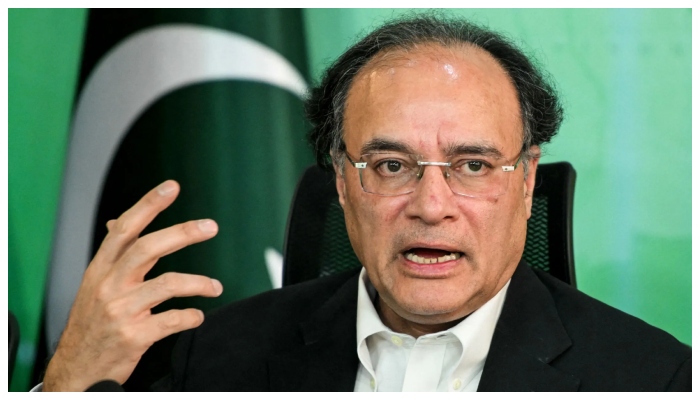
Pakistan economy on path to recovery, GDP growth expected at 4%: Finance Minister

Gold prices see sharp drop across Pakistan as global rates fall


49 minutes ago

55 minutes ago

1 hour ago

1 hour ago

1 hour ago
1 hour ago
 At least 14 passengers have been killed and dozens injured after a collision between two trains near Jakarta, according to…
 Tensions surfaced at the United Nations during a conference on the implementation of the Nuclear Non-Proliferation Treaty (NPT), after Iran…
 King Charles III and Queen Camilla have arrived in the United States for an official visit, where they were warmly…
- The United States remains the world’s leading military and economic power, yet its recent and past interventions raise serious questions…

- Federal health authorities have ordered strict nationwide enforcement of a ban on conventional disposable syringes and initiated a policy review…
- Pakistan’s second national anti-polio campaign of 2026 is continuing across the country, with efforts now in its sixth day as…
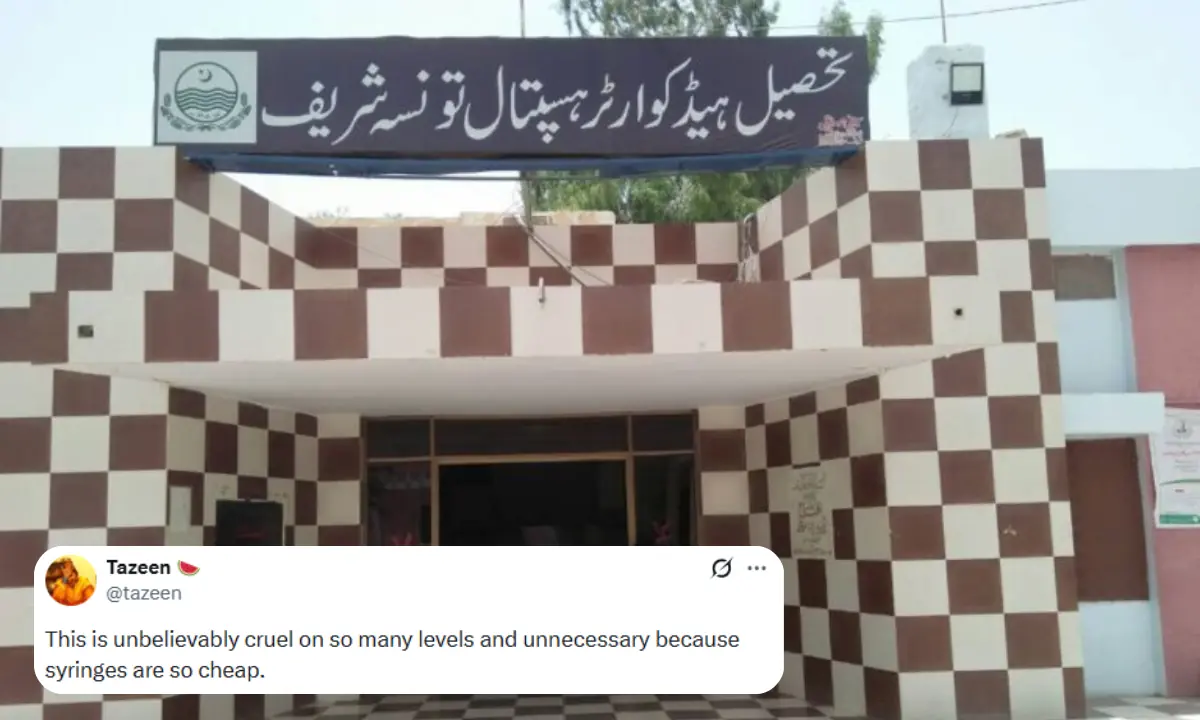
 A shocking report by BBC has triggered nationwide outrage in Pakistan after alleging severe medical malpractice at a Tehsil Headquarter…
 Pakistan’s second National Anti-Polio Campaign of 2026 is continuing across the country with full momentum, as health workers aim to…




- A special central court on Tuesday granted interim pre-arrest bail…49 minutes ago
- The Sindh High Court on Tuesday approved a plea to…55 minutes ago
- Pakistan’s power generation has been significantly affected due to the…1 hour ago
- Pakistan’s agricultural sector is witnessing steady progress under the Green…1 hour ago