


Pakistan urged to shift from stabilisation to growth-focused reforms
 Rabbia Zafar
|
1 hour ago
Rabbia Zafar
|
1 hour ago
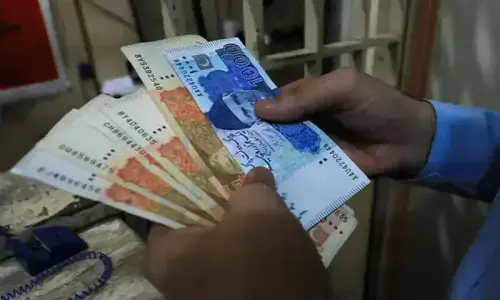
Pakistan’s economy has recorded its strongest fiscal performance in more than two decades, but experts warn that the country’s sharp reduction in development spending could undermine long-term growth prospects.
According to recent fiscal data, Pakistan ended FY25 with a budget deficit of 5.4 per cent of GDP, while the primary surplus reached 2.4pc. The country also posted its first current account surplus in 14 years, and foreign exchange reserves exceeded $21 billion. During the first nine months of FY26, the fiscal deficit further narrowed to 0.7pc of GDP, accompanied by a 3.2pc primary surplus.
Despite the improvement in macroeconomic indicators, analysts say the gains have largely come through aggressive fiscal tightening and reduced public spending. Federal development expenditure was reduced to just above 1pc of GDP and later revised downward from Rs1 trillion to Rs837 billion, significantly lower than historical levels.
Economic experts argue that stabilisation measures have come at the expense of growth-generating sectors. Banks continue to invest heavily in government securities instead of extending credit to private businesses, while several state-owned enterprises remain heavily loss-making. Official figures show 25 state-owned entities collectively recorded losses of Rs832 billion last year.
Analysts have proposed a series of reforms for the upcoming FY27 budget, including a binding fiscal rule to control non-interest expenditure, faster restructuring and privatisation of state-owned enterprises, and reductions in untargeted subsidies and pension liabilities.
Concerns have also been raised about rising external risks, particularly due to instability in the Middle East and high global oil prices. Pakistan imports most of its crude oil through the Strait of Hormuz, making the economy vulnerable to regional disruptions.
Experts say the next federal budget presents an opportunity to shift from short-term stabilisation policies toward investment-led growth while maintaining fiscal discipline and economic stability.
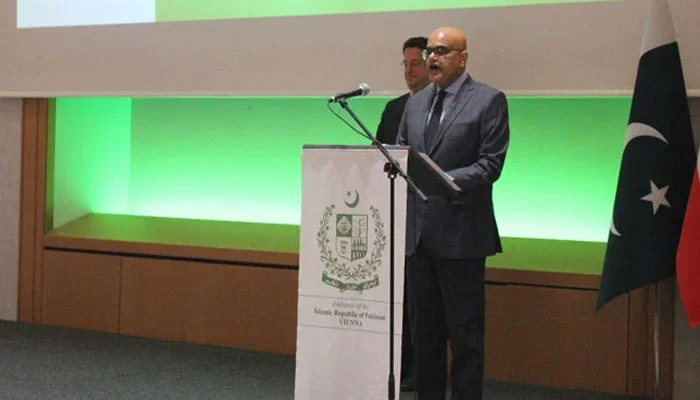
Pakistani diaspora event in Vienna marks first anniversary of “Marka-e-Haq”
Oil prices rise again as US-Iran tensions fuel market uncertainty

Mid-air collision at Idaho air show prompts investigation

2 minutes ago

10 minutes ago
21 minutes ago
28 minutes ago

39 minutes ago

44 minutes ago
- China has pledged to purchase at least $17 billion worth of US agricultural products between 2026 and 2028, according to…
- Global oil prices have surged once again amid renewed concerns over rising tensions between the United States and Iran, which…
- Two aircraft collided during an air show in the U.S. state of Idaho, triggering an emergency response and an immediate…
- Israeli Prime Minister Benjamin Netanyahu has said that Israel’s military campaign targeting those responsible for the October 7, 2023 attacks…
 A major shift in medical terminology has been announced for Polycystic Ovarian Syndrome (PCOS), a common hormonal disorder affecting millions…
 Health authorities are working to contain a potential international spread of hantavirus after new suspected cases emerged across multiple countries,…
 The Indus Hospital, located in Karachi’s Korangi area, has earned widespread recognition for providing free and quality healthcare services to…
- The Healthcare Devices Association of Pakistan (HDAP) has raised serious concerns over the continued presence of banned reusable syringes in…



- China has pledged to purchase at least $17 billion worth…2 minutes ago
- A celebratory and emotionally charged ceremony was held in Vienna…10 minutes ago
- Global oil prices have surged once again amid renewed concerns…21 minutes ago
- Two aircraft collided during an air show in the U.S.…28 minutes ago