


Oil prices surge as Iran-US tensions and Gulf security fears escalate
 Rabbia Zafar
|
21 minutes ago
Rabbia Zafar
|
21 minutes ago
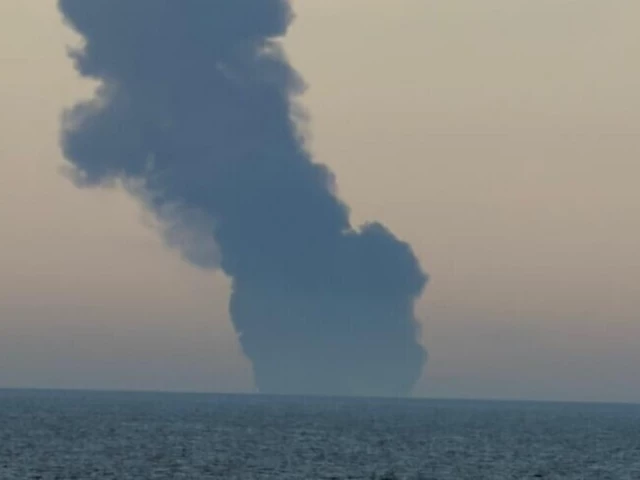
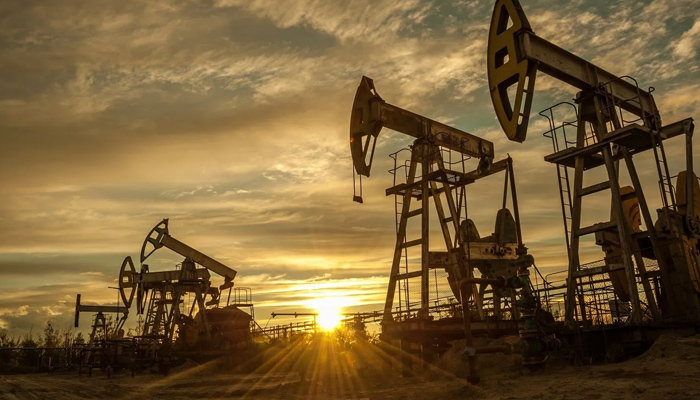
Global oil prices extended their upward momentum on Monday as escalating tensions between the United States and Iran, along with renewed security concerns in the Gulf region, continued to unsettle energy markets.
Brent crude futures rose by $2.03, or 1.86%, reaching $111.29 per barrel by 0720 PKT after briefly touching $112, the highest level since May 5. Meanwhile, West Texas Intermediate (WTI) crude climbed $2.31, or 2.19%, to $107.73 per barrel after hitting $108.70 earlier in the session, marking its strongest level since April 30. The front-month June contract is set to expire on Tuesday.
Prices have gained more than 7% over the past week as hopes for a diplomatic breakthrough between Washington and Tehran weakened. Markets remain sensitive to developments in the Strait of Hormuz, a critical chokepoint for global oil shipments, where shipping disruptions and security incidents have raised concerns about supply stability.
Pakistani diaspora event in Vienna marks first anniversary of “Marka-e-Haq”
Tensions intensified after reports of attacks on energy-related infrastructure in the Gulf, including a nuclear facility in the United Arab Emirates. Analysts say such incidents have heightened fears of a broader regional escalation that could directly impact global crude flows.
Investor sentiment was further affected by statements from US officials and Iranian military figures, warning of possible retaliation and continued confrontation. The uncertainty has led traders to price in a higher geopolitical risk premium, keeping oil markets volatile.
Industry experts warn that prolonged instability in the region could lead to sustained supply disruptions and put upward pressure on inflation worldwide. Higher energy costs could also influence central bank decisions, potentially keeping interest rates elevated for longer periods.
Despite ongoing diplomatic discussions involving global powers, no clear pathway to de-escalation has emerged. Markets are now closely watching political developments in Washington, Tehran, and Beijing, as well as maritime security conditions in the Gulf, for signs of either escalation or relief.
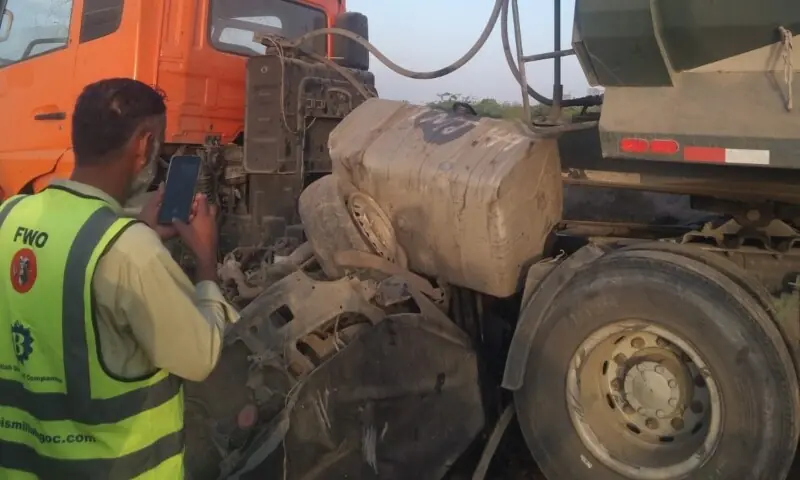
Two police personnel martyred in M9 motorway collision involving dumper truck

Sukkur police act against illegal jirga ordering “vani” and murder
Oil prices surge as Iran-US tensions and Gulf security fears escalate
China commits $17bn US farm imports as trade ties ease
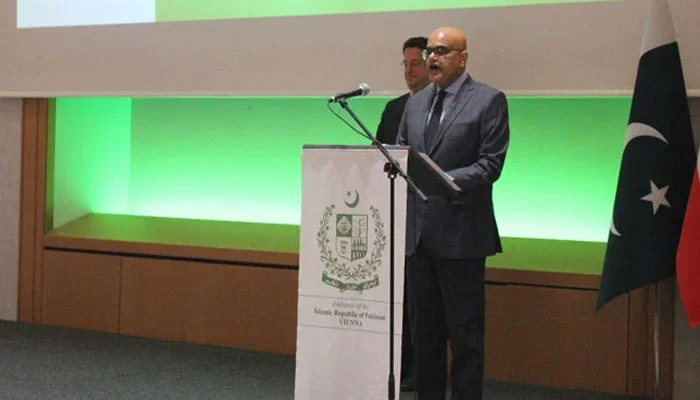
Pakistani diaspora event in Vienna marks first anniversary of “Marka-e-Haq”
Oil prices rise again as US-Iran tensions fuel market uncertainty

9 minutes ago

13 minutes ago

21 minutes ago

27 minutes ago

35 minutes ago
46 minutes ago
- Global oil prices extended their upward momentum on Monday as escalating tensions between the United States and Iran, along with…
- China has pledged to purchase at least $17 billion worth of US agricultural products between 2026 and 2028, according to…
- Global oil prices have surged once again amid renewed concerns over rising tensions between the United States and Iran, which…
- Two aircraft collided during an air show in the U.S. state of Idaho, triggering an emergency response and an immediate…
 A major shift in medical terminology has been announced for Polycystic Ovarian Syndrome (PCOS), a common hormonal disorder affecting millions…
 Health authorities are working to contain a potential international spread of hantavirus after new suspected cases emerged across multiple countries,…
 The Indus Hospital, located in Karachi’s Korangi area, has earned widespread recognition for providing free and quality healthcare services to…
- The Healthcare Devices Association of Pakistan (HDAP) has raised serious concerns over the continued presence of banned reusable syringes in…



- Two police personnel were martyred on Monday after a speeding…9 minutes ago
- An illegal jirga held in Sukkur has come under police…13 minutes ago
- Global oil prices extended their upward momentum on Monday as…21 minutes ago
- China has pledged to purchase at least $17 billion worth…27 minutes ago