


AI museum recreates Amazon rainforest experience in Los Angeles
 Web Desk
|
56 minutes ago
Web Desk
|
56 minutes ago
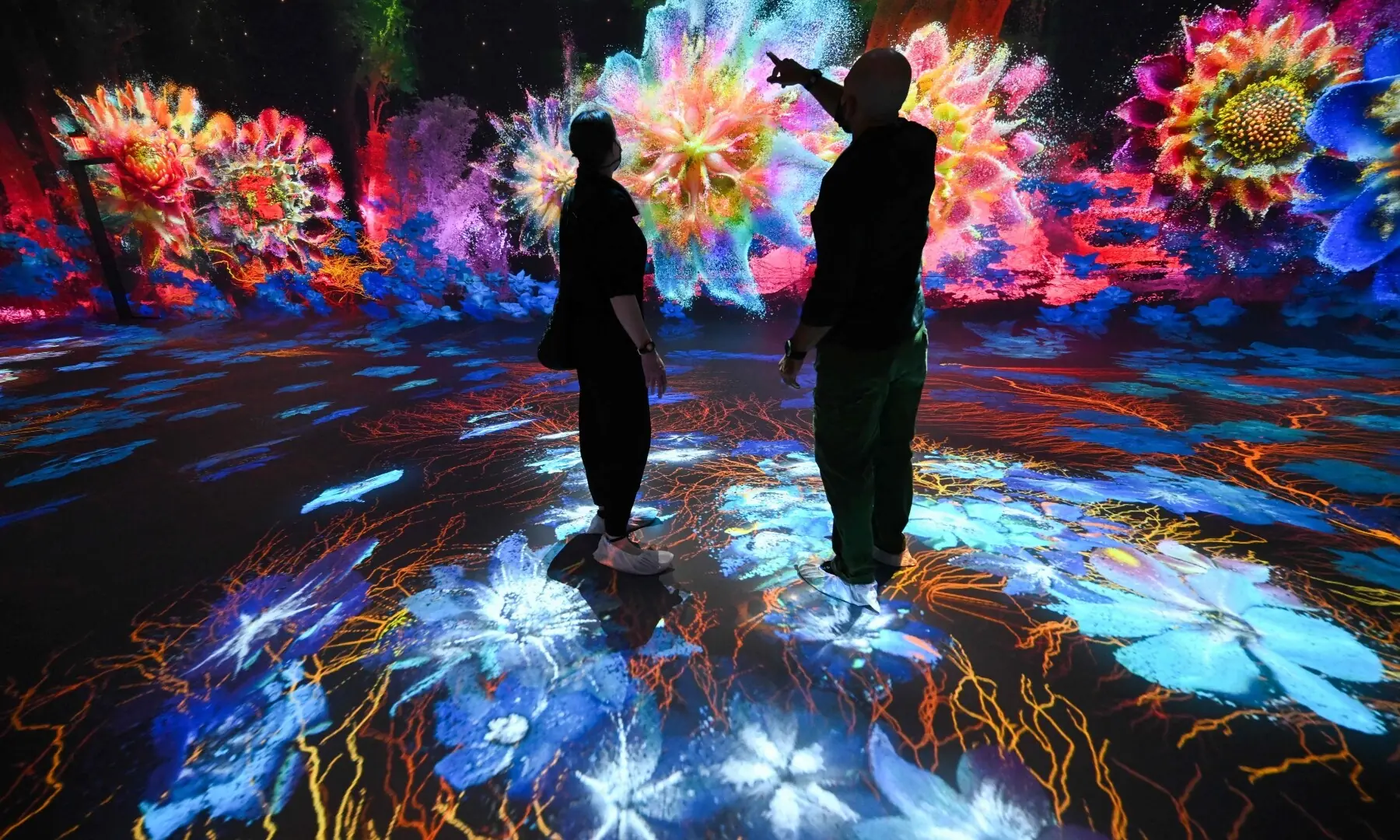
A new immersive art museum in Los Angeles is offering visitors an artificial intelligence-driven journey into the Amazon rainforest, blending sensory technology, real-time data capture, and generative AI to recreate nature in a fully digital environment.
The exhibition, titled “Machine Dreams: Rainforest,” is the inaugural showcase at Dataland, a newly opened Museum of AI Arts founded by artist Refik Anadol and Efsun Erkilic. The project uses millions of lines of code and billions of pixels to construct a constantly evolving digital rainforest that responds to visitors in real time.
Upon entering the installation, guests are surrounded by projected visualisations of rainforest life, including shifting landscapes, wildlife-inspired animations, and atmospheric effects such as simulated rainfall and soundscapes. The experience is designed to replicate the sensory environment of the Amazon without requiring physical travel.
The system collects data from multiple sources, including motion sensors, environmental tracking devices, and wearable technology that monitors visitors’ heart rates, body temperature, and emotional responses. This information is then processed by AI models to continuously reshape the visual and audio experience.
Participants also interact with the installation through gestures and movement, influencing how the digital rainforest evolves during their visit. In addition, scent diffusers release programmed aromas to further enhance immersion.
At the end of the experience, visitors can receive personalised souvenirs such as AI-generated chocolates, printed artworks, or T-shirts based on their interaction with the system.
The creators describe the installation as a “dreaming machine” that continuously builds and dissolves its own version of reality. According to the artists, the system is not static but constantly regenerates itself, creating a poetic interpretation of nature through data.
Dataland officially opens to the public on June 20, marking a new step in the fusion of artificial intelligence, sensory technology, and contemporary art experiences.


AI museum recreates Amazon rainforest experience in Los Angeles


Sindh unveils Rs3.65 trillion budget with major PPP-led development push





43 minutes ago
49 minutes ago

56 minutes ago

2 hours ago

2 hours ago
3 hours ago
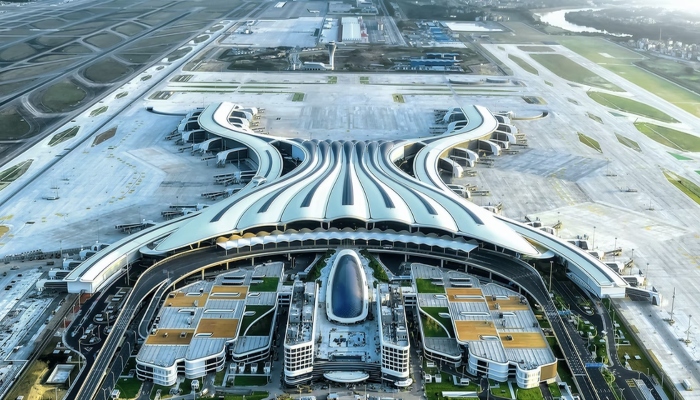
- The title of the world’s most beautiful airport has been awarded to China’s Guangzhou Baiyun International Airport Terminal 3. According…
- US Vice President JD Vance has said that the agreement reached with Iran could play a significant role in promoting…
- US President Donald Trump has said that the United States is committed to peace and expects a complete ceasefire across…
- Ukraine carried out a large-scale drone attack on the Russian capital Moscow on Thursday, reportedly launching hundreds of drones and…


 Karachi is witnessing a worrying surge in congenital heart diseases among newborns, with medical experts warning that thousands of children…
 Pakistan now has the highest diabetes rate in the world, according to the latest IDF report. The report shows that…
- South Africa, Eswatini, and Zambia have begun administering lenacapavir, a groundbreaking HIV-prevention injection, marking a major milestone in the fight…
 KARACHI: The Sindh High Court’s Constitutional Bench was informed on Monday that all milk samples collected in Karachi are harmful…






- Residents and visitors in the hill station of Murree have…43 minutes ago
- Pakistan’s national space agency, SUPARCO, has issued an El Nino…49 minutes ago
- A new immersive art museum in Los Angeles is offering…56 minutes ago
- The Pakistan Stock Exchange (PSX) witnessed a sharp reversal…2 hours ago