


China calls for free navigation in Strait of Hormuz amid US blockade threat
 Rabbia Zafar
|
2 weeks ago
Rabbia Zafar
|
2 weeks ago
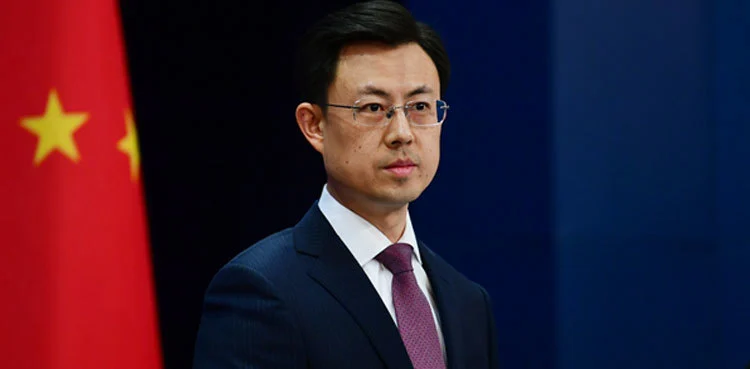
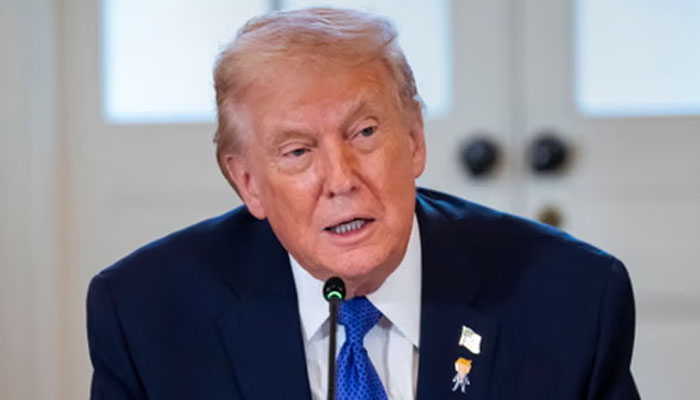
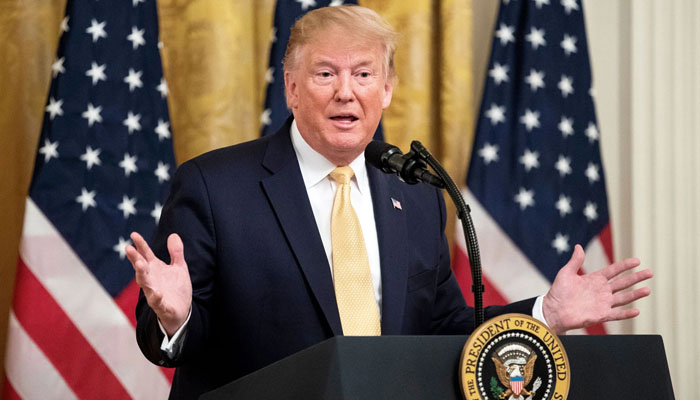
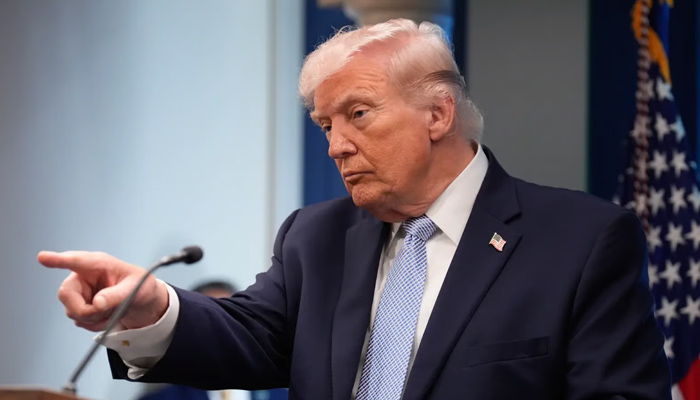
China has called for “unimpeded” navigation through the Strait of Hormuz following heightened tensions after US President Donald Trump threatened a blockade of the strategic waterway.
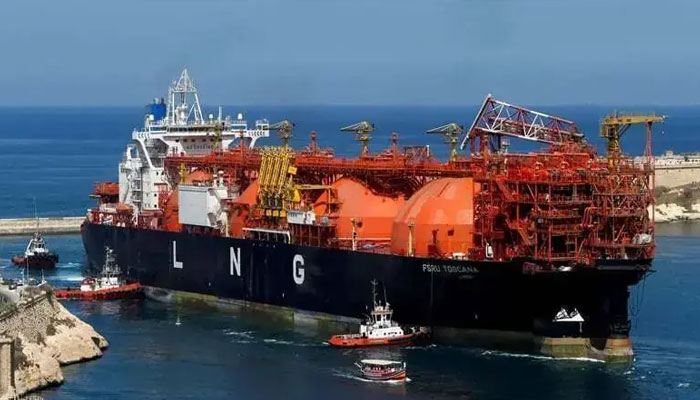
Speaking at a news briefing, Chinese foreign ministry spokesperson Guo Jiakun said the Strait of Hormuz is a vital international trade route for energy and goods, stressing that its security, stability, and uninterrupted flow serve the shared interests of the global community. Beijing’s remarks came as concerns mounted over potential disruptions to one of the world’s most critical oil transit choke points.
The Strait of Hormuz connects the Gulf region to global markets and carries nearly a fifth of global oil supply, making it one of the most strategically sensitive maritime corridors in the world. Any disruption to traffic through the strait is expected to have immediate implications for global energy prices and shipping stability.
In a separate development, China also announced that Russian Foreign Minister Sergey Lavrov will visit Beijing this week to discuss bilateral cooperation. According to the Chinese foreign ministry, the visit will take place from April 14 to 15 at the invitation of Chinese Foreign Minister Wang Yi. The talks are expected to focus on strengthening political, economic, and strategic coordination between the two countries.
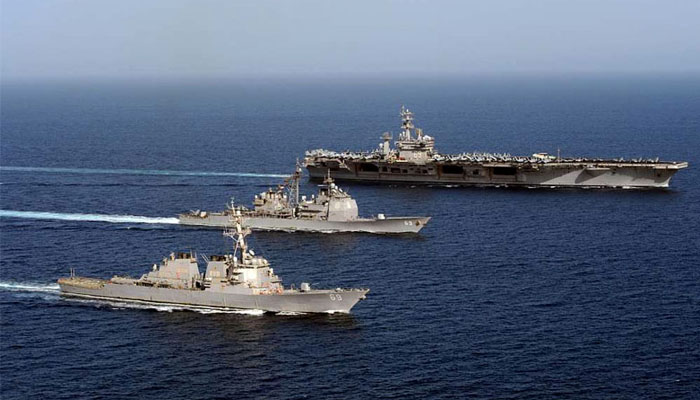
Meanwhile, the US military stated that it would enforce restrictions affecting maritime traffic linked to Iranian ports in the Gulf region. In a post on social media platform X, US Central Command said the measures would apply to vessels entering or leaving Iranian ports, while claiming that freedom of navigation for non-Iranian routes through the Strait of Hormuz would not be impeded.
The announcement has intensified global concerns over potential disruptions in energy supply chains and shipping routes, with major economies closely monitoring developments in the region.



9 minutes ago

13 minutes ago
21 minutes ago
26 minutes ago
4 hours ago
4 hours ago
- Asian markets showed a mixed performance on Friday while oil prices continued to rise, as uncertainty surrounding a fragile Middle…
- United States forces have seized an Iranian vessel during an operation in the Indian Ocean, escalating already heightened tensions…
- US report reveals details on Iranian leader health condition, as the New York Times published claims about Iran’s new Supreme…
- Trump sees Israel Lebanon peace possible this year, as US President Donald Trump expressed optimism about improved relations. He said…
 Federal health authorities have ordered strict nationwide enforcement of a ban on conventional disposable syringes and initiated a policy review…
 Pakistan’s second national anti-polio campaign of 2026 is continuing across the country, with efforts now in its sixth day as…
 A shocking report by BBC has triggered nationwide outrage in Pakistan after alleging severe medical malpractice at a Tehsil Headquarter…
 Pakistan’s second National Anti-Polio Campaign of 2026 is continuing across the country with full momentum, as health workers aim to…




- Residents of Karachi will face a significant water shortage over…9 minutes ago
- Asian markets showed a mixed performance on Friday while oil…13 minutes ago
- At least two suspected robbers were killed in separate police…21 minutes ago
- United States forces have seized an Iranian vessel during…26 minutes ago