


Electric vehicle sales surge in Southeast Asia amid oil price spike
 Rabbia Zafar
|
1 month ago
Rabbia Zafar
|
1 month ago
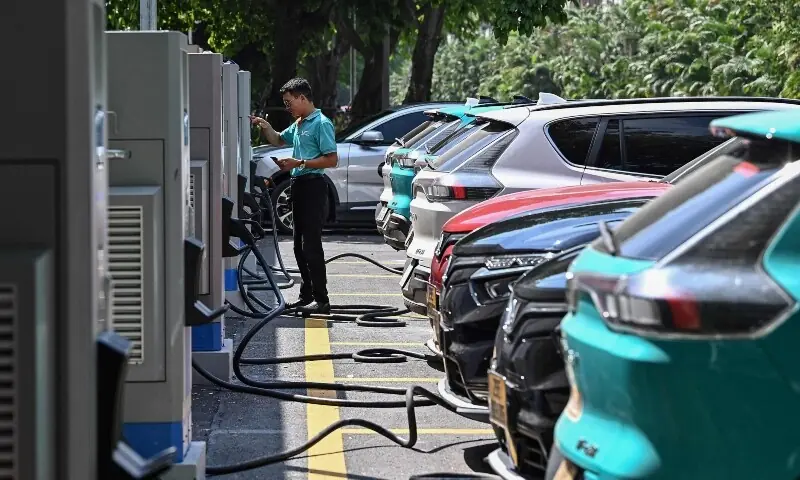
Electric vehicle (EV) sales have surged across Southeast Asia as rising global oil prices push consumers to look for cheaper transport alternatives amid ongoing geopolitical tensions in the Middle East.
Crude oil prices have climbed sharply, crossing the $100 per barrel mark after supply concerns intensified following disruptions in peace negotiations and fears over potential restrictions on key shipping routes. The increase in fuel costs has placed additional pressure on import-dependent Asian economies, where households are already struggling with inflation and rising living expenses.
In response, consumers across the region are increasingly turning to electric vehicles to reduce monthly fuel expenditures. In Vietnam, demand for EVs has risen significantly, with local manufacturer VinFast reporting a sharp increase in sales as buyers shift away from petrol-powered vehicles. Showrooms in Hanoi have recorded higher foot traffic, with many customers citing fuel savings as the main reason for switching.
Similarly, Chinese EV manufacturers, particularly BYD, have seen strong growth in Southeast Asian markets including Thailand and the Philippines. At recent auto shows and dealership launches, EVs have outperformed traditional carmakers in new orders, marking a notable shift in consumer preferences.
Industry analysts say the trend is being driven by both immediate economic pressure and long-term structural changes in energy consumption. As fuel prices remain volatile, consumers are increasingly calculating total ownership costs rather than just upfront vehicle prices. Expanding charging infrastructure across the region is also making EV adoption more practical.
Experts believe the current surge may mark a turning point in the region’s automotive market, accelerating the transition toward electric mobility. While uncertainties remain over global oil prices, demand for EVs is expected to remain strong if fuel costs stay elevated.





5 minutes ago

12 minutes ago

16 minutes ago
3 hours ago
3 hours ago
3 hours ago
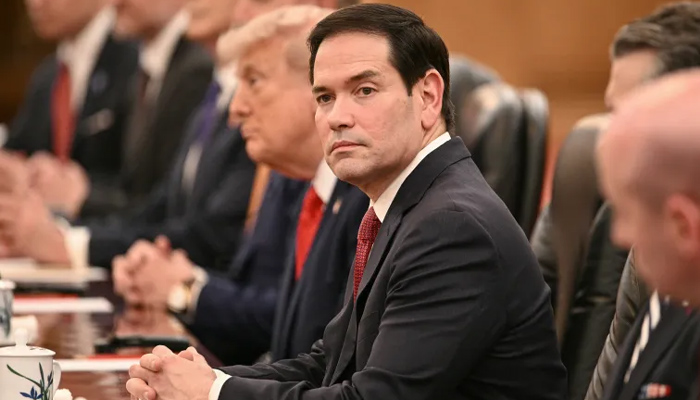
- U.S. Secretary of State Marco Rubio reportedly entered China alongside President Donald Trump despite an existing Chinese ban against him.…
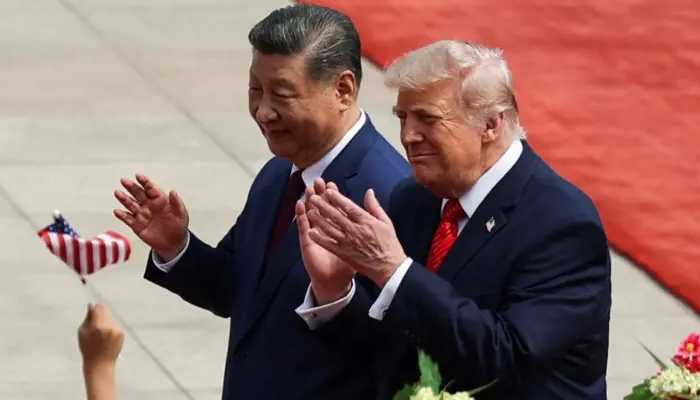
- U.S. President Donald Trump said Chinese President Xi Jinping offered assistance in keeping the Strait of Hormuz open. During a…
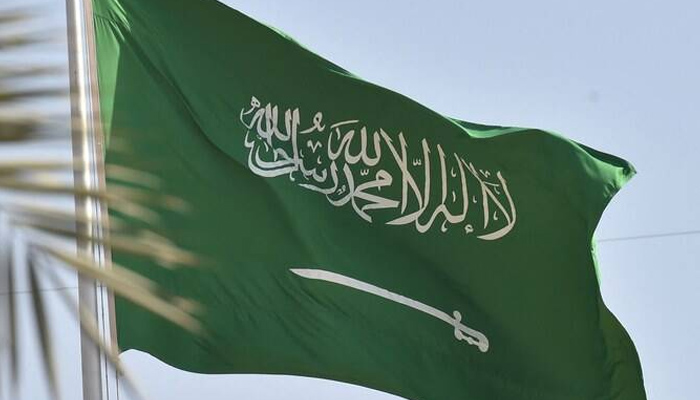
- A British newspaper has claimed that Saudi Arabia has proposed a non-aggression pact between Iran and Middle Eastern countries. According…
 Dozens of Israeli settlers entered the Al-Aqsa Mosque compound in occupied East Jerusalem on Thursday under the protection of Israeli…

 A major shift in medical terminology has been announced for Polycystic Ovarian Syndrome (PCOS), a common hormonal disorder affecting millions…
 Health authorities are working to contain a potential international spread of hantavirus after new suspected cases emerged across multiple countries,…
 The Indus Hospital, located in Karachi’s Korangi area, has earned widespread recognition for providing free and quality healthcare services to…
 The Healthcare Devices Association of Pakistan (HDAP) has raised serious concerns over the continued presence of banned reusable syringes in…




- Pakistan’s cotton sector has entered a historic phase as the…5 minutes ago
- The Federal Board of Revenue is set to receive powers…12 minutes ago
- A case of alleged medical negligence has surfaced at the…16 minutes ago
- U.S. Secretary of State Marco Rubio reportedly entered China alongside…3 hours ago