


Fuel crisis drives surge in electric bike demand
 Rabbia Zafar
|
1 month ago
Rabbia Zafar
|
1 month ago
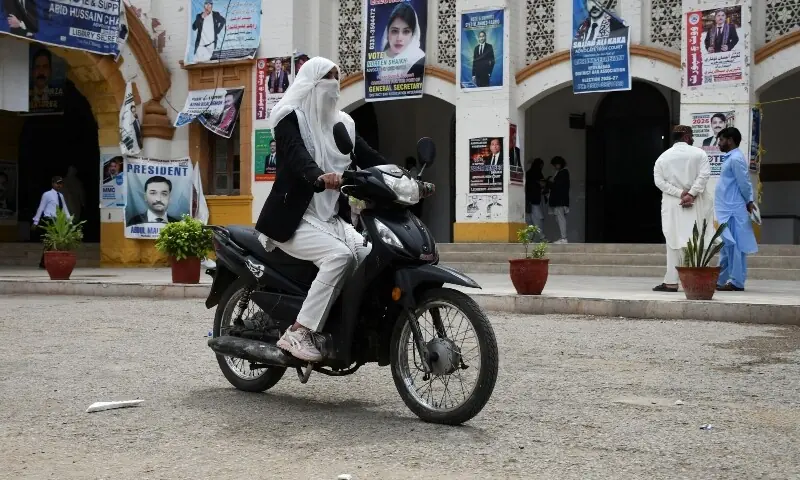
A sharp rise in fuel prices triggered by tensions around the Strait of Hormuz is accelerating Pakistan’s shift toward electric vehicles, with demand for electric motorbikes surging across the country.
Dealers and manufacturers report a significant increase in sales and enquiries as consumers look for alternatives to costly petrol. In Rawalpindi, mechanic Haseeb Bhatti said his business of converting petrol bikes into electric ones saw a 70% jump in sales in March alone.
The surge comes as Pakistan, which imports most of its oil through the Strait of Hormuz, faces mounting economic pressure due to rising global fuel prices. Fears of potential shortages have further pushed consumers toward electric options.
Balochistan approves electric bike program for students, workers
According to industry estimates, around 40% of Pakistan’s petrol consumption is used by motorcycles and rickshaws, making the segment highly sensitive to fuel price fluctuations. With petrol costs rising sharply, many households are finding it increasingly difficult to manage transportation expenses.
Electric two-wheeler sales have already been on the rise, nearly tripling last year to 90,000 units. This year, they account for more than 10% of monthly sales for the first time, signalling a major shift in consumer behaviour.
Government initiatives, including the Pakistan Accelerated Vehicle Electrification (PAVE) plan, are also supporting the transition through subsidies and interest-free loans. Officials estimate that electrifying millions of vehicles could save hundreds of millions of dollars in fuel imports annually.
The shift is further supported by the country’s growing adoption of solar energy, which provides a cost-effective way to charge electric bikes at home.
However, experts caution that challenges such as limited charging infrastructure and weak after-sales service networks could slow long-term growth if not addressed.
Shehbaz says Pakistan-Azerbaijan ties growing stronger

Saudi Arabia proposes regional non-aggression pact after Iran war




4 minutes ago

13 minutes ago

19 minutes ago
32 minutes ago
46 minutes ago
58 minutes ago
- United States President Donald Trump said he secured “fantastic trade deals” with Chinese leader Xi Jinping during their high-profile summit…
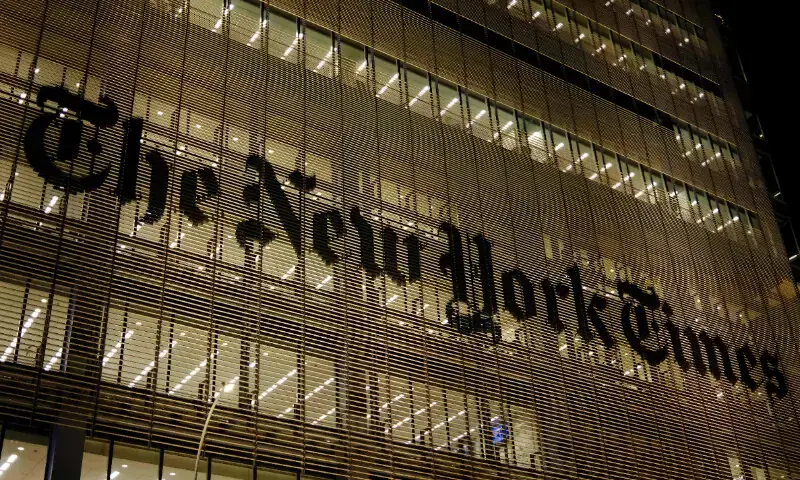
- Israel has threatened legal action against The New York Times over an opinion piece alleging widespread sexual abuse of Palestinian…
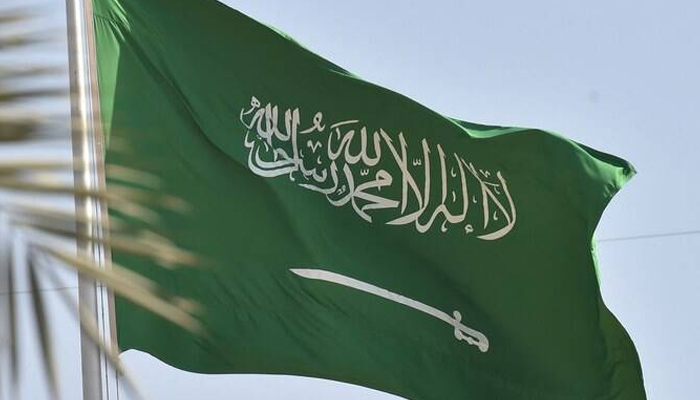
- Saudi Arabia has reportedly proposed a regional non-aggression agreement involving Middle Eastern countries and Iran in an effort to ease…
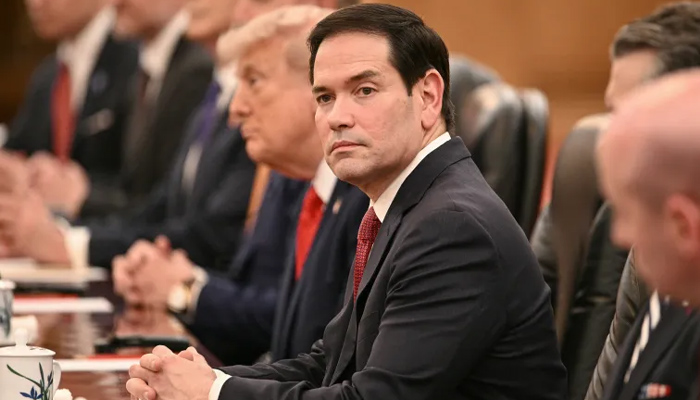
- U.S. Secretary of State Marco Rubio reportedly entered China alongside President Donald Trump despite an existing Chinese ban against him.…
 A major shift in medical terminology has been announced for Polycystic Ovarian Syndrome (PCOS), a common hormonal disorder affecting millions…
 Health authorities are working to contain a potential international spread of hantavirus after new suspected cases emerged across multiple countries,…
 The Indus Hospital, located in Karachi’s Korangi area, has earned widespread recognition for providing free and quality healthcare services to…
 The Healthcare Devices Association of Pakistan (HDAP) has raised serious concerns over the continued presence of banned reusable syringes in…



- United States President Donald Trump said he secured “fantastic trade…4 minutes ago
- Prime Minister Shehbaz Sharif on Thursday said Pakistan and Azerbaijan…13 minutes ago
- US President Donald Trump and Chinese President Xi Jinping are…19 minutes ago
- Israel has threatened legal action against The New York Times…32 minutes ago