


IMF cuts Pakistan growth forecast, raises inflation outlook
 Rabbia Zafar
|
1 week ago
Rabbia Zafar
|
1 week ago
The International Monetary Fund has lowered Pakistan’s economic growth forecast to 3.5% for the next fiscal year while raising its inflation projection to 8.4%, citing risks stemming from the ongoing Middle East conflict.
In its latest World Economic Outlook, released during the spring meetings, the IMF revised Pakistan’s growth outlook downward from an earlier estimate of 4.1%. For the current fiscal year, growth is expected to remain at 3.6%, broadly in line with projections by other international institutions.
The IMF also increased its inflation forecast for 2026–27 to 8.4%, up from 7% projected earlier, while maintaining the current fiscal year’s estimate at 7.2%. The higher inflation outlook could add pressure on the central bank to maintain or increase interest rates.
Additionally, the Fund more than doubled its projection for Pakistan’s current account deficit to 0.9% of GDP—around $5 billion—for the next fiscal year, reflecting rising external pressures.
KP Assembly raises concerns over minority quota in teaching jobs
The report highlighted that Pakistan remains particularly vulnerable to developments in the Middle East, as it sources about 90% of its energy imports from the region. Rising oil prices and supply disruptions could further strain the country’s external position.
Globally, the IMF warned that economic growth could slow significantly if the conflict intensifies. Under its baseline scenario, global growth is projected at 3.1% in 2026, but this could drop to 2.5% in an adverse scenario and near 2% in a severe case, raising the risk of a global recession.
The Fund also projected rising global inflation and energy prices, with oil potentially reaching between $100 and $120 per barrel under worst-case scenarios.
The IMF urged governments worldwide to adopt prudent fiscal policies, enhance trade cooperation, and address domestic imbalances to maintain economic stability amid growing uncertainties.


2 hours ago
3 hours ago
3 hours ago
3 hours ago
4 hours ago
5 hours ago
- US report reveals details on Iranian leader health condition, as the New York Times published claims about Iran’s new Supreme…
- Trump sees Israel Lebanon peace possible this year, as US President Donald Trump expressed optimism about improved relations. He said…
- Trump seeks lasting Iran deal, signals Strait of Hormuz reopening option, as US President Donald Trump said he will not…
- Trump claims Iran division, orders Strait of Hormuz blockade control, as US President Donald Trump announced strict military actions in…
 Federal health authorities have ordered strict nationwide enforcement of a ban on conventional disposable syringes and initiated a policy review…
 Pakistan’s second national anti-polio campaign of 2026 is continuing across the country, with efforts now in its sixth day as…
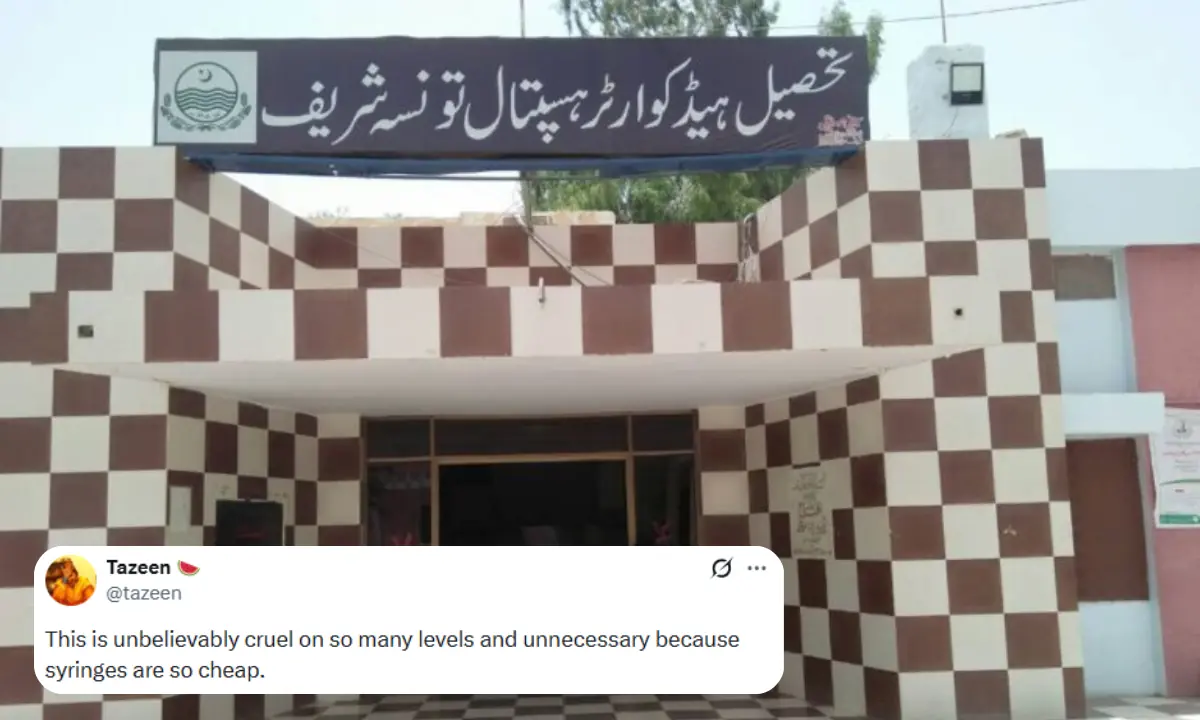
 A shocking report by BBC has triggered nationwide outrage in Pakistan after alleging severe medical malpractice at a Tehsil Headquarter…
 Pakistan’s second National Anti-Polio Campaign of 2026 is continuing across the country with full momentum, as health workers aim to…




- Pakistan decides immediate LNG purchase for three cargoes, as the…2 hours ago
- US report reveals details on Iranian leader health condition, as…3 hours ago
- Trump sees Israel Lebanon peace possible this year, as US…3 hours ago
- PSL 11 code breach fines imposed on Amir and Faheem…3 hours ago