


KP Bans Traditional Brick Kilns to Reduce Air Pollution
 Web Desk
|
8 months ago
Web Desk
|
8 months ago
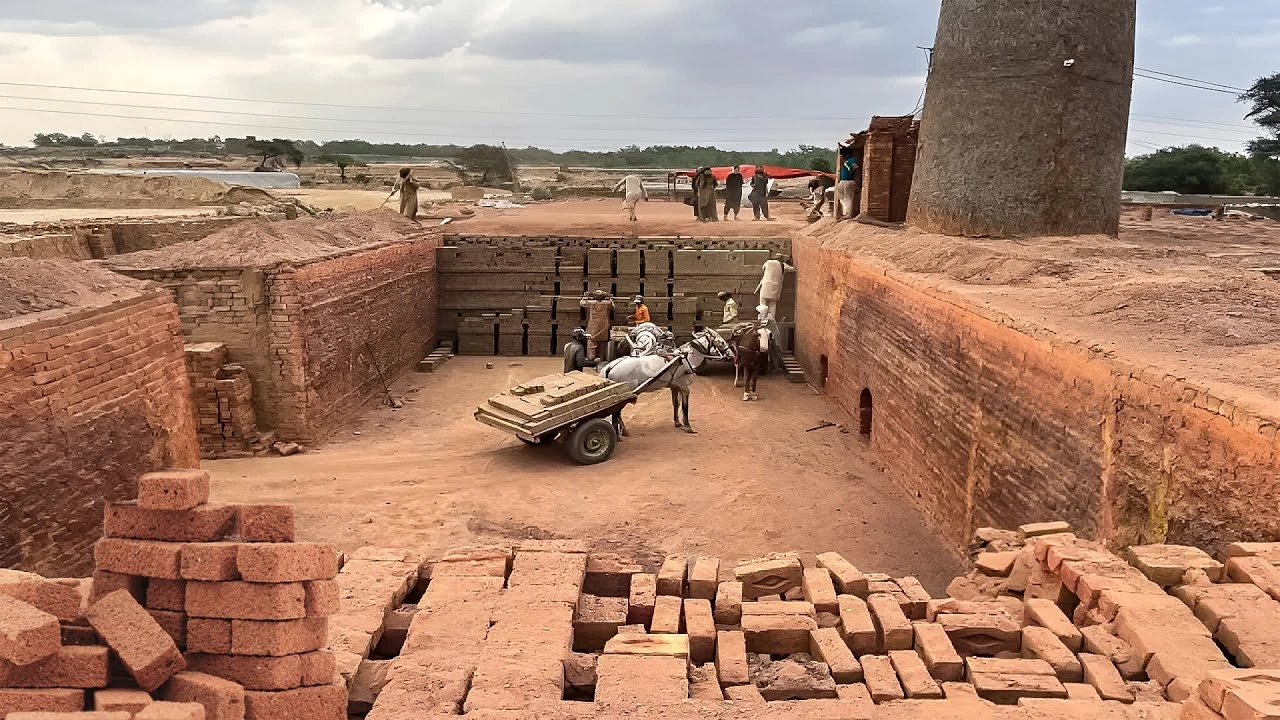
Peshawar: The Khyber Pakhtunkhwa (KP) government has announced a complete ban on traditional brick kilns in an effort to curb rising levels of air pollution and smog in the province.
According to the KP Environmental Protection Agency (EPA), all conventional brick kilns in Peshawar must cease operations by November 15. A formal notice has been issued to the Brick Kiln Association, directing kiln owners to adopt modern, eco-friendly technology.
The EPA stated that the traditional chimney-based brick-making process is one of the leading causes of air pollution in Peshawar and nearby regions. Despite repeated warnings, many kiln owners have yet to switch to Zigzag technology, which significantly reduces harmful emissions.
Under the new directive, only Zigzag-technology kilns will be permitted to operate. Authorities have been instructed to ensure full compliance, and district administrations along with police will take action against non-compliant units.
The EPA emphasized that outdated brick kilns pose severe health risks and contribute to the worsening smog situation in KP.
Meanwhile, in Punjab, the provincial government has launched a crackdown on smoke-emitting vehicles as part of its anti-smog campaign. Director General of Environment Dr. Imran Hamid Sheikh announced that vehicles producing excessive smoke will no longer be allowed on roads. Traffic police have been directed to remove any such vehicles immediately.
Dr. Sheikh also ordered strict enforcement against vehicles without valid fitness certificates and urged authorities to reduce traffic congestion in major urban areas to improve air quality.
Read More:Air pollution levels soar in Pakistan: Lahore, Peshawar, and Islamabad are among the most affected.
Air pollution has reached alarming levels across several cities in Pakistan, with Lahore, Peshawar, and Islamabad recording some of the highest pollution indexes. According to the U.S. Air Quality Index (AQI), Lahore tops the list with a hazardous AQI reading of 770, followed by Peshawar at 293 and Islamabad at 248. These readings indicate severely compromised air quality, posing health risks to residents, especially vulnerable groups such as children, the elderly, and those with respiratory conditions.
The toxic air in Lahore has been deemed “hazardous,” with pollution levels skyrocketing to levels where even minimal outdoor exposure can be detrimental. The city has been grappling with worsening air quality due to a combination of vehicular emissions, industrial pollutants, and seasonal factors such as crop burning in surrounding regions. Lahore residents have been advised to limit outdoor activities and take precautions, such as wearing masks and using air purifiers indoors.




43 minutes ago
1 hour ago
2 hours ago
3 hours ago
4 hours ago
4 hours ago
- Italy has announced the deployment of an advanced air defense system in central Türkiye as part of NATO’s ongoing defense…
- Pakistan’s diplomatic efforts received recognition in the British Parliament, where members of the House of Lords praised the country’s role…
- The United States has reportedly refused to provide Israel with details about a proposed agreement with Iran, citing sensitive national…
- The location for the signing of the memorandum of understanding between Iran and the United States has been changed. The…
 Karachi is witnessing a worrying surge in congenital heart diseases among newborns, with medical experts warning that thousands of children…
 Pakistan now has the highest diabetes rate in the world, according to the latest IDF report. The report shows that…
 South Africa, Eswatini, and Zambia have begun administering lenacapavir, a groundbreaking HIV-prevention injection, marking a major milestone in the fight…
 KARACHI: The Sindh High Court’s Constitutional Bench was informed on Monday that all milk samples collected in Karachi are harmful…






- Sanchita Ogle, a young actress known for her role in…43 minutes ago
- France began their FIFA World Cup 2026 campaign with an…1 hour ago
- Italy has announced the deployment of an advanced air defense…2 hours ago
- Pakistan’s diplomatic efforts received recognition in the British Parliament, where…3 hours ago