


No breakthrough but talks continue in US-Iran Islamabad meeting
 Rabbia Zafar
|
2 weeks ago
Rabbia Zafar
|
2 weeks ago
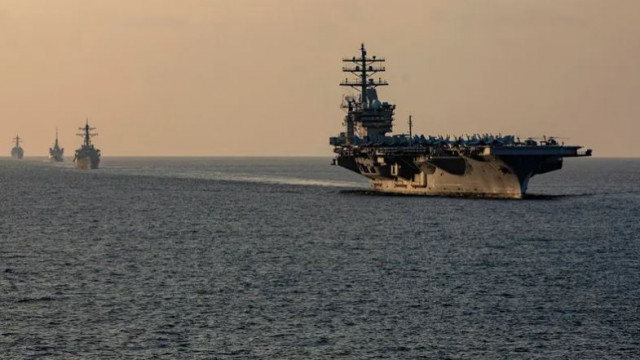
High-stakes negotiations between the United States and Iran concluded in Islamabad without a formal agreement, but with both sides agreeing to keep diplomatic channels open.
The nearly 24-hour-long talks, hosted by Pakistan, marked the most significant direct engagement between the two adversaries in decades. JD Vance, who led the American delegation, confirmed there was no deal, stating that the outcome was “bad news for Iran much more than” for the US.
Despite the lack of progress, Pakistani leadership framed the outcome as a temporary stalemate rather than a failure. Prime Minister Shehbaz Sharif said the talks were “not dead,” expressing optimism that diplomacy could still yield results. Deputy Prime Minister Ishaq Dar reiterated Islamabad’s commitment to facilitating further dialogue.
The discussions initially began indirectly before transitioning into rare face-to-face negotiations, continuing through the night into Sunday morning. Key issues included Iran’s nuclear programme, sanctions relief, control of the Strait of Hormuz, war reparations, and a broader ceasefire framework following recent regional conflict.
Pakistan, Iran Stress Economic Cooperation in High-Level Islamabad Meeting
Washington maintained its core demand for a clear Iranian commitment to abandon nuclear weapons ambitions. However, Tehran did not accept these terms, highlighting persistent gaps between the two sides.
Iran’s delegation, led by Mohammad Bagher Ghalibaf, acknowledged the absence of a deal but stressed that a single round of talks was unlikely to resolve deep-rooted disputes. Officials described their proposals as “forward-looking” while emphasising continued mistrust of the US.
For Pakistan, hosting the talks represented both a diplomatic challenge and an opportunity to reinforce its global role. While no breakthrough was achieved, officials view the sustained engagement as a meaningful step toward a longer-term negotiation process.

Pakistan’s foreign exchange reserves rise by $18 million in a week
Missing government teacher’s body found in Pakpattan field, police suspect constable

Security forces kill 22 militants in Khyber intelligence-based operation: ISPR

Pakistan’s critical minerals push gains momentum amid Reko Diq developments


Uncertainty persists over second round of US-Iran talks in Islamabad

Pakistan repays UAE deposits as Saudi funds arrive


1 minute ago
14 minutes ago
17 minutes ago

23 minutes ago
29 minutes ago
38 minutes ago
- Asian markets showed a mixed performance on Friday while oil prices continued to rise, as uncertainty surrounding a fragile Middle…
- United States forces have seized an Iranian vessel during an operation in the Indian Ocean, escalating already heightened tensions…
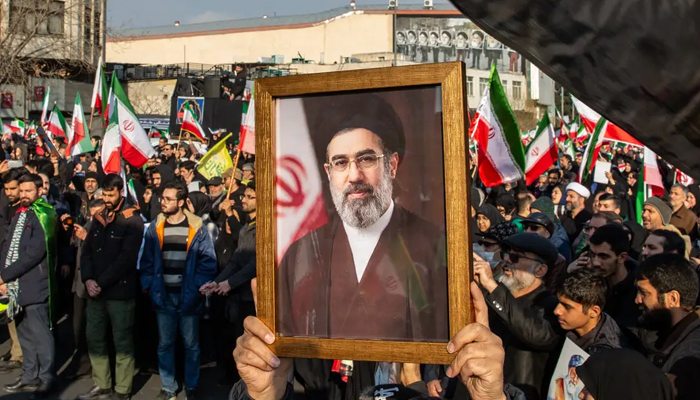
- US report reveals details on Iranian leader health condition, as the New York Times published claims about Iran’s new Supreme…
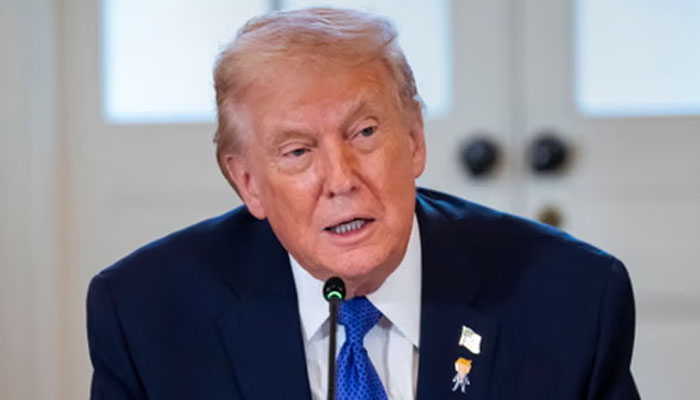
- Trump sees Israel Lebanon peace possible this year, as US President Donald Trump expressed optimism about improved relations. He said…


 Federal health authorities have ordered strict nationwide enforcement of a ban on conventional disposable syringes and initiated a policy review…
 Pakistan’s second national anti-polio campaign of 2026 is continuing across the country, with efforts now in its sixth day as…
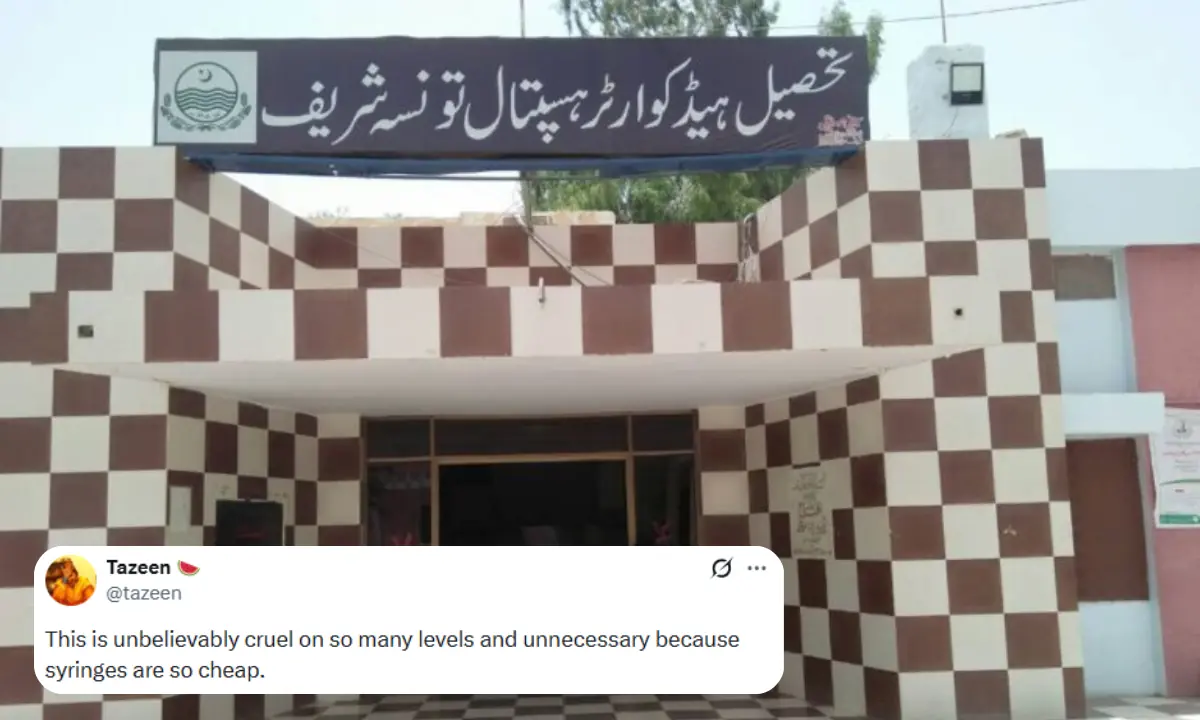
 A shocking report by BBC has triggered nationwide outrage in Pakistan after alleging severe medical malpractice at a Tehsil Headquarter…
 Pakistan’s second National Anti-Polio Campaign of 2026 is continuing across the country with full momentum, as health workers aim to…




- Pakistan’s foreign exchange reserves recorded a modest increase of $18…1 minute ago
- A government school teacher who had been reported missing was…14 minutes ago
- Security forces conducted a major intelligence-based operation in Khyber District…17 minutes ago
- Pakistan’s ambitions in the global critical minerals market are gradually…23 minutes ago