


Oil Prices Soars Past $100 While Trump Defends Iran War
 Web Desk
|
2 months ago
Web Desk
|
2 months ago

you may like





6 minutes ago
44 minutes ago
2 hours ago
2 hours ago
4 hours ago
5 hours ago
TRENDING NOW
- The US Treasury has warned that ships paying Iran for safe passage through the Strait of Hormuz could face sanctions.…
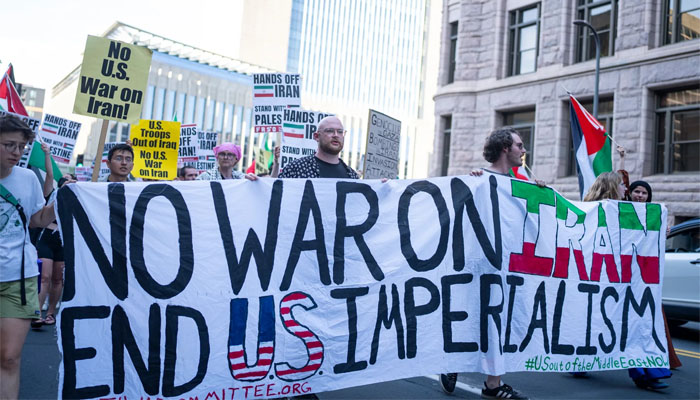
- A new survey shows that a majority of Americans believe the US military action against Iran was a mistake. The…
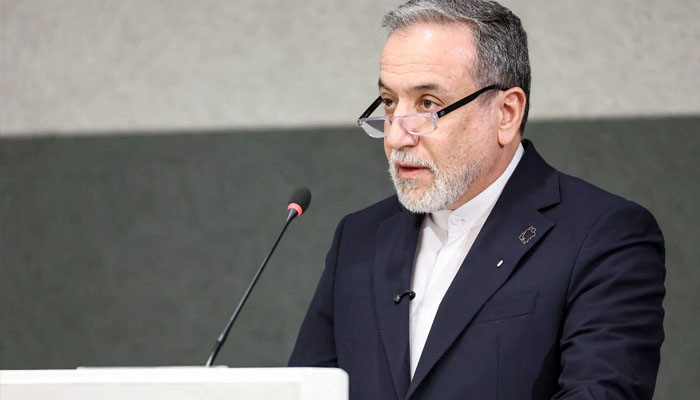
- Iran said diplomacy remains open if the United States changes its threatening tone, according to Foreign Minister Abbas Araghchi. He…
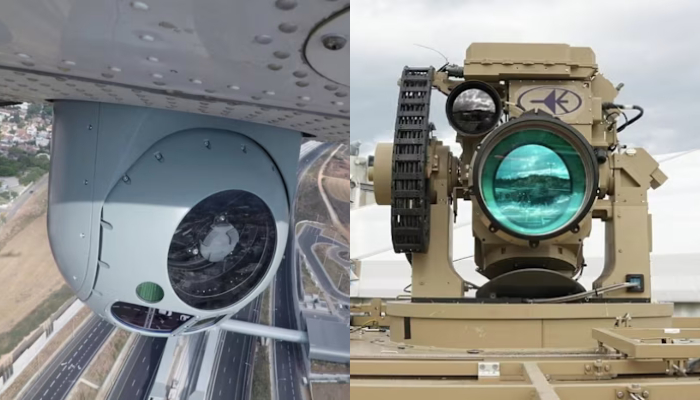
- Israel provided the UAE with an advanced laser defense system during the Iran war, according to a British newspaper report.…
MUST WATCH
 The Healthcare Devices Association of Pakistan (HDAP) has raised serious concerns over the continued presence of banned reusable syringes in…
- Federal health authorities have ordered strict nationwide enforcement of a ban on conventional disposable syringes and initiated a policy review…
 Pakistan’s second national anti-polio campaign of 2026 is continuing across the country, with efforts now in its sixth day as…
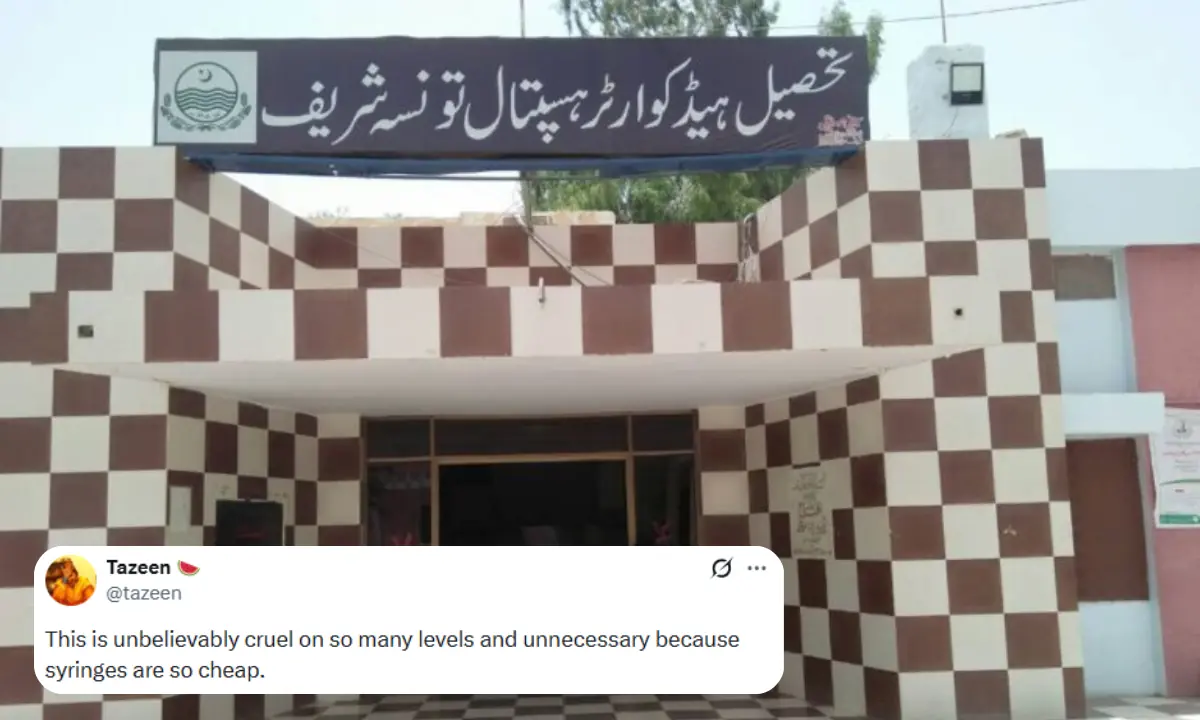
 A shocking report by BBC has triggered nationwide outrage in Pakistan after alleging severe medical malpractice at a Tehsil Headquarter…




INNOVATION
- Hyderabad Kings qualify for the PSL final after a thrilling…6 minutes ago
- The US Treasury has warned that ships paying Iran for…44 minutes ago
- A new survey shows that a majority of Americans believe…2 hours ago
- Iran said diplomacy remains open if the United States changes…2 hours ago