


Oil surge rattles Pakistan after talks collapse
 Rabbia Zafar
|
1 week ago
Rabbia Zafar
|
1 week ago
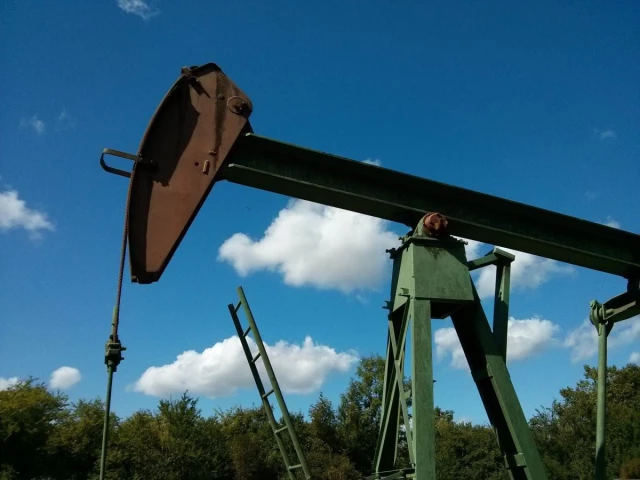
A renewed spike in global oil prices has shaken fragile market stability after Islamabad-mediated talks between the United States and Iran failed to deliver a breakthrough, exposing import-dependent economies like Pakistan to fresh inflation risks.
Crude prices surged above $100 per barrel after Donald Trump signalled a potential blockade of the Strait of Hormuz, a vital channel handling nearly 20% of global oil shipments. The move reversed earlier optimism that diplomatic efforts would ease tensions, triggering a sharp re-pricing of risk across energy markets.
Analysts say the latest surge is being driven not only by supply concerns but also by collapsing market confidence following a brief period of hope. The failure of over 20 hours of negotiations in Islamabad has intensified uncertainty, amplifying volatility in global oil benchmarks. Early estimates suggest prices jumped between 6% and 8% immediately after the escalation.
For Pakistan, the timing is particularly challenging. The country had been relying on relatively stable oil prices to manage inflation and stabilise its external account. A sustained increase in crude prices is expected to raise the import bill, weaken the currency, and complicate fiscal planning. Petroleum products remain one of Pakistan’s largest import categories, making the economy highly vulnerable to global price shocks.
Economists warn that every $10 increase in oil prices significantly impacts the current account deficit while directly fuelling domestic inflation. Rising fuel costs are likely to push up transportation expenses, electricity tariffs, and food prices in the coming weeks.
Globally, the impact is already visible in stressed equity markets and rising energy stocks. Shipping costs, insurance premiums, and freight rates are also expected to climb if uncertainty around Hormuz continues. Analysts caution that even if tensions ease, the geopolitical risk premium in oil prices may persist, prolonging economic pressure on countries like Pakistan.




6 minutes ago

11 minutes ago
18 minutes ago
23 minutes ago
3 hours ago
4 hours ago
- Asian markets showed a mixed performance on Friday while oil prices continued to rise, as uncertainty surrounding a fragile Middle…
- United States forces have seized an Iranian vessel during an operation in the Indian Ocean, escalating already heightened tensions…
- US report reveals details on Iranian leader health condition, as the New York Times published claims about Iran’s new Supreme…
- Trump sees Israel Lebanon peace possible this year, as US President Donald Trump expressed optimism about improved relations. He said…
 Federal health authorities have ordered strict nationwide enforcement of a ban on conventional disposable syringes and initiated a policy review…
 Pakistan’s second national anti-polio campaign of 2026 is continuing across the country, with efforts now in its sixth day as…
 A shocking report by BBC has triggered nationwide outrage in Pakistan after alleging severe medical malpractice at a Tehsil Headquarter…
 Pakistan’s second National Anti-Polio Campaign of 2026 is continuing across the country with full momentum, as health workers aim to…




- Residents of Karachi will face a significant water shortage over…6 minutes ago
- Asian markets showed a mixed performance on Friday while oil…11 minutes ago
- At least two suspected robbers were killed in separate police…18 minutes ago
- United States forces have seized an Iranian vessel during…23 minutes ago