


Pakistan faces dual threat of economic strain and looming floods
 Rabbia Zafar
|
2 weeks ago
Rabbia Zafar
|
2 weeks ago
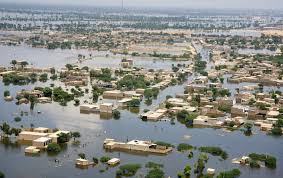
As global attention remains fixed on escalating tensions involving Donald Trump, Iran, and Israel, Pakistan is quietly bracing for a different but equally serious crisis—extreme weather. Rising oil prices linked to geopolitical instability are already putting pressure on Pakistan’s fragile economy, but forecasts now warn of another looming challenge: severe flooding during the upcoming monsoon season.
Meteorological projections suggest rainfall could exceed normal levels by 22 to 26 percent, raising the likelihood of widespread floods across the country in July and August. This has sparked concerns of a “double crisis,” where economic strain from global conflict coincides with environmental devastation at home.
Despite the existence of the National Flood Protection Plan-IV, which includes 375 proposed projects worth Rs825 billion, Pakistan has repeatedly struggled to prevent flood-related damage. Recent years have shown that planning alone is not enough, as floods in 2025 once again caused significant destruction, displacing communities and damaging infrastructure and agriculture.
Experts argue that floods themselves are not unnatural but become disasters due to poor urban planning and environmental neglect. Unregulated construction in floodplains, blocked drainage systems, and deforestation have worsened the impact of heavy rainfall. Climate change has further intensified the situation, making floods more frequent, unpredictable, and severe.
While large-scale infrastructure like dams and levees remains costly and limited in effectiveness, experts recommend short-term adaptive strategies. These include restoring natural floodplains, developing wetlands, improving water storage systems, and introducing urban solutions such as water-absorbing parks.
As Pakistan navigates economic uncertainty and environmental vulnerability, the need for immediate, practical measures has become more urgent than ever. Without swift action, the country risks repeating a cycle of destruction that continues to threaten lives, livelihoods, and long-term stability.








10 minutes ago

14 minutes ago
22 minutes ago
27 minutes ago
4 hours ago
4 hours ago
- Asian markets showed a mixed performance on Friday while oil prices continued to rise, as uncertainty surrounding a fragile Middle…
- United States forces have seized an Iranian vessel during an operation in the Indian Ocean, escalating already heightened tensions…
- US report reveals details on Iranian leader health condition, as the New York Times published claims about Iran’s new Supreme…
- Trump sees Israel Lebanon peace possible this year, as US President Donald Trump expressed optimism about improved relations. He said…
 Federal health authorities have ordered strict nationwide enforcement of a ban on conventional disposable syringes and initiated a policy review…
 Pakistan’s second national anti-polio campaign of 2026 is continuing across the country, with efforts now in its sixth day as…
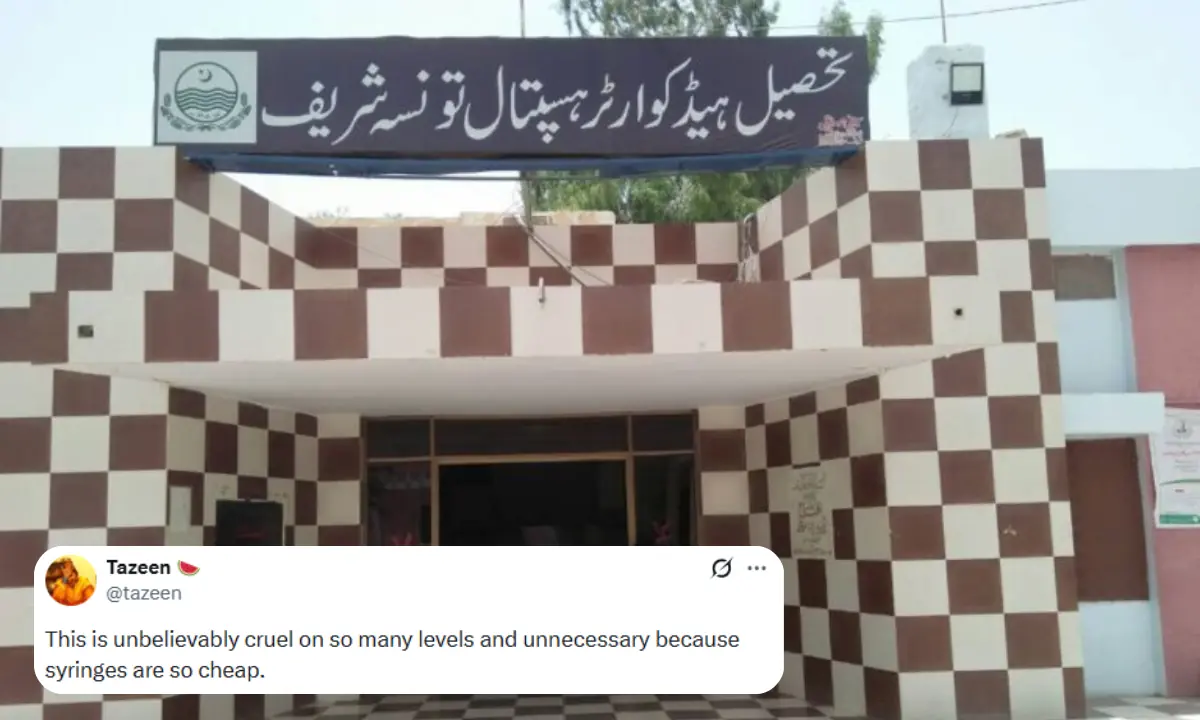
 A shocking report by BBC has triggered nationwide outrage in Pakistan after alleging severe medical malpractice at a Tehsil Headquarter…
 Pakistan’s second National Anti-Polio Campaign of 2026 is continuing across the country with full momentum, as health workers aim to…




- Residents of Karachi will face a significant water shortage over…10 minutes ago
- Asian markets showed a mixed performance on Friday while oil…14 minutes ago
- At least two suspected robbers were killed in separate police…22 minutes ago
- United States forces have seized an Iranian vessel during…27 minutes ago