


Pakistan’s diplomatic role expands in Middle East crisis management, op-ed highlights
 Rabbia Zafar
|
2 hours ago
Rabbia Zafar
|
2 hours ago
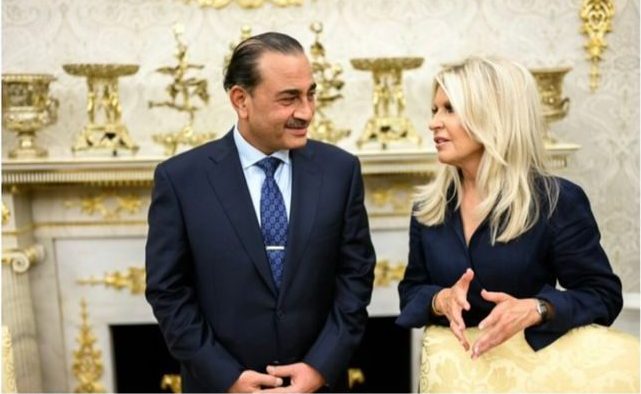
A recent opinion piece published in The National Interest has highlighted Pakistan’s emerging role as a significant diplomatic and security actor beyond South Asia, particularly in the context of Middle East crisis management and US-Iran tensions.
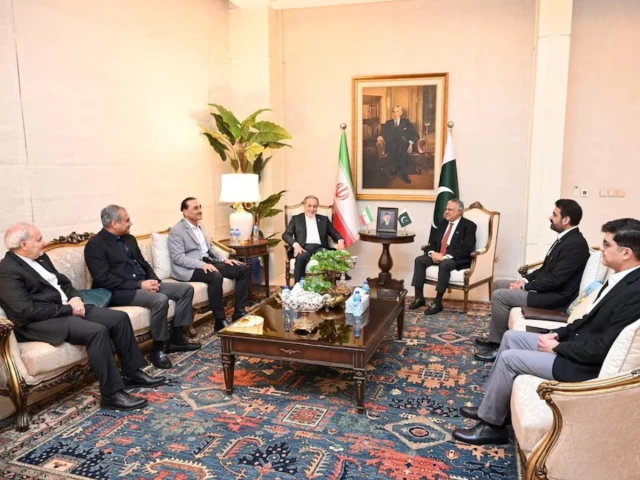
The article argues that Pakistan is increasingly moving from the periphery of regional diplomacy to a more central position in high-stakes international negotiations. It specifically points to Islamabad’s involvement in facilitating dialogue during the recent US-Iran ceasefire discussions and talks hosted in Islamabad as evidence of this shift.
According to the op-ed, Pakistan’s military leadership, particularly Field Marshal Syed Asim Munir, has played a notable role in supporting de-escalation efforts during periods of heightened regional tension. It describes Pakistan’s approach as discreet, disciplined, and strategically effective in situations where traditional diplomatic channels have struggled to produce results.
The piece also emphasizes Pakistan’s expanding diplomatic relationships with key regional and global partners, including China, Saudi Arabia, Qatar, the UAE, Egypt, and Jordan. These relationships are portrayed as contributing to Pakistan’s growing influence in security and diplomatic affairs.
A key highlight in the analysis is the Pakistan–Saudi mutual defense agreement signed in September 2025, which the article describes as an important marker of Pakistan’s evolving role as a regional security interlocutor.
Additionally, Pakistan is noted for its involvement in broader Middle East stabilization efforts, including support for ceasefire implementation in Gaza and discussions around potential participation in international stabilization initiatives.
The op-ed argues that Pakistan is filling a diplomatic gap created by weakening traditional mediators and fragmented international institutions, including limited United Nations effectiveness in resolving conflicts.
Overall, the article presents Pakistan as a rising strategic actor with increasing relevance in global diplomacy, particularly in conflict mediation and regional security coordination.
Poverty and domestic pressure cited in Lahore triple child murder case

Shaan Shahid criticises industry trends and says actors prefer comfort zones

Global cannabis use rises as health risks and potency concerns increase
Pakistan’s diplomatic role expands in Middle East crisis management, op-ed highlights
President Zardari to visit China for talks on trade and CPEC

US Senate to vote on bill blocking Trump from launching attack on Cuba



20 minutes ago

35 minutes ago

43 minutes ago

2 hours ago
3 hours ago

3 hours ago
- A new global analysis has revealed that more than 240 million people worldwide are using cannabis annually, making it the…
- The US Senate is expected to vote as early as next week on a Democratic-led resolution aimed at preventing President…
- The European Union has indicated that economic sanctions imposed on Iran could be eased if Tehran agrees to a negotiated…
- UK Prime Minister Keir Starmer has announced plans to introduce legislation within the coming weeks to designate Iran’s Islamic Revolutionary…
- Federal health authorities have ordered strict nationwide enforcement of a ban on conventional disposable syringes and initiated a policy review…
 Pakistan’s second national anti-polio campaign of 2026 is continuing across the country, with efforts now in its sixth day as…
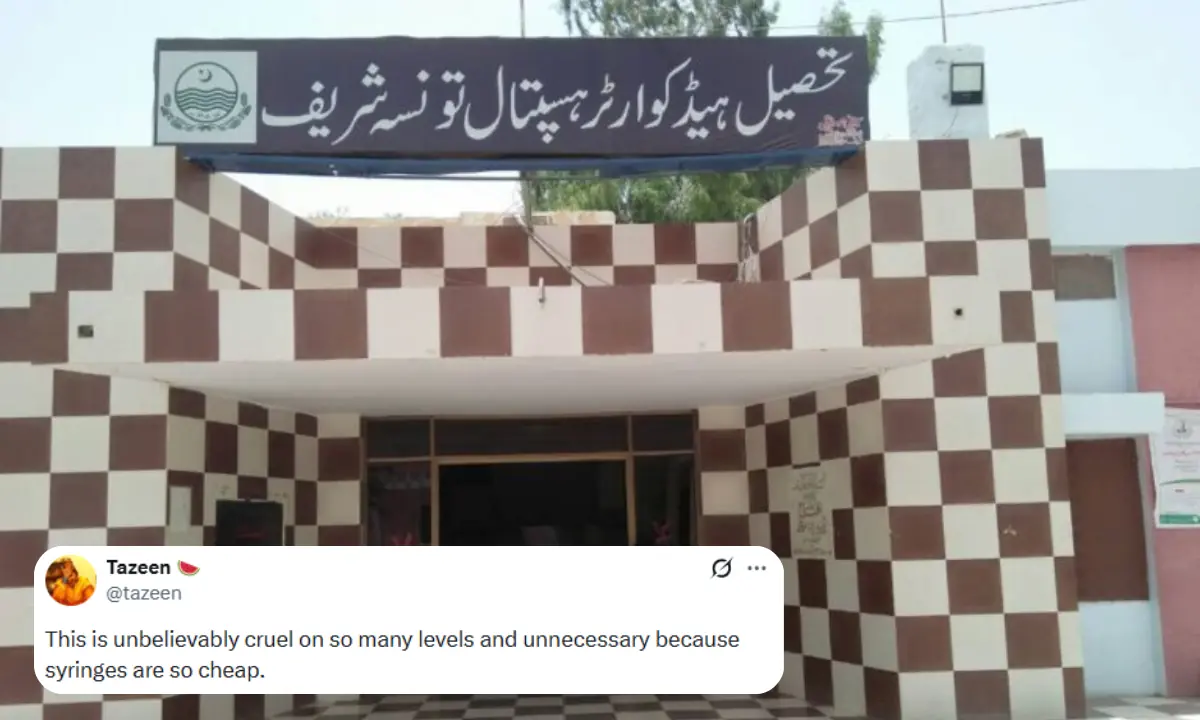
- A shocking report by BBC has triggered nationwide outrage in Pakistan after alleging severe medical malpractice at a Tehsil Headquarter…
 Pakistan’s second National Anti-Polio Campaign of 2026 is continuing across the country with full momentum, as health workers aim to…




- Senior police officials have said that poverty and domestic pressure…20 minutes ago
- Actor Shaan Shahid has said that prominent Pakistani actors Fahad…35 minutes ago
- A new global analysis has revealed that more than 240…43 minutes ago
- A recent opinion piece published in The National Interest has…2 hours ago