


Syrian Forces Enter Hasakeh Under Kurdish Integration Deal
 Web Desk
|
3 months ago
Web Desk
|
3 months ago
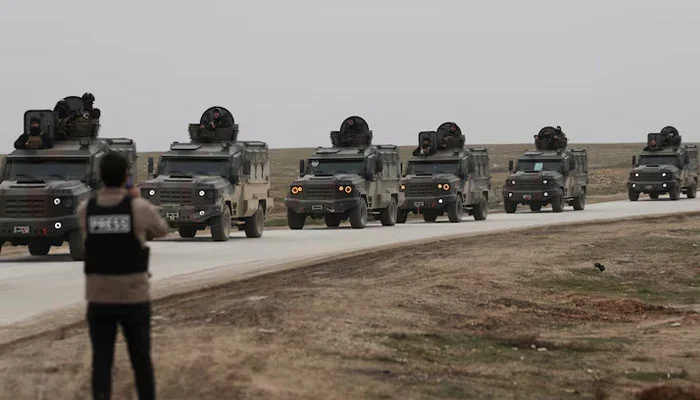
HASAKEH, Syria – Syrian government security personnel entered Hasakeh city on Monday under a recently agreed integration deal with Kurdish forces. The agreement, reached last Friday, gradually integrates Kurdish military and civilian institutions into the state. It followed months of tensions and sporadic clashes, as Kurdish forces ceded territory to advancing government troops. The deal marks the government’s push to extend authority across the country, challenging Kurdish autonomy in the north and northeast. Residents in Hasakeh welcomed government forces, waving Syrian flags while some women ululated along the roads.
AFP correspondents reported a convoy of government vehicles crossing Kurdish checkpoints as armed Kurdish personnel observed. Marwan al-Ali, the newly appointed head of Hasakeh internal security, instructed forces to follow established plans and comply with laws. Kurdish security forces remained deployed inside the city while a curfew stayed in place until 6:00 pm (1500 GMT). Mazloum Abdi, head of the Kurdish-led Syrian Democratic Forces (SDF), confirmed both sides would pull back frontline positions. The pullback applies to parts of the northeast and the northern town of Kobane.
Later on Monday, government forces entered the countryside around Kobane, over 200 kilometers from Hasakeh. The town is a symbol of Kurdish fighters’ victory against IS jihadists and remains strategically important. State media reported a UN aid convoy of 20 trucks reached Kobane to assist residents. Abdi said a “limited internal security force” would enter parts of Hasakeh and Qamishli, with no military presence in Kurdish cities. A curfew is set for Qamishli on Tuesday as part of security measures.
Read more : EU labels Iran Revolutionary Guards a terrorist organisation
Friday’s deal seeks to unify Syrian territory while maintaining a ceasefire and gradual integration of Kurdish forces and administration. It allows some Kurdish demands, including establishing SDF brigades, while transferring control of oil fields, Qamishli airport, and border crossings. Turkish President Recep Tayyip Erdogan called the agreement “a new chapter” for Syria and urged proper implementation. He warned that anyone attempting to sabotage the deal would be “crushed,” emphasizing peace, stability, and development. The United States, previously allied with Kurdish forces against IS, recently suggested its partnership with them was largely over.
With government forces deploying to Kurdish-held areas, only Druze-majority Sweida remains largely outside government control. Sectarian violence in southern and coastal regions in the past underscores Syria’s fragile stability. Syria’s new Islamist authorities have pledged to protect minorities after toppling former ruler Bashar al-Assad in late 2024. The integration deal marks a significant step toward consolidating government control while accommodating limited Kurdish autonomy. Observers say the situation will shape Syria’s political and security dynamics in the northeast for months to come.

Gold prices drop sharply in Pakistan amid global market decline

Punjab issues alert over rising WhatsApp hacking and impersonation fraud cases
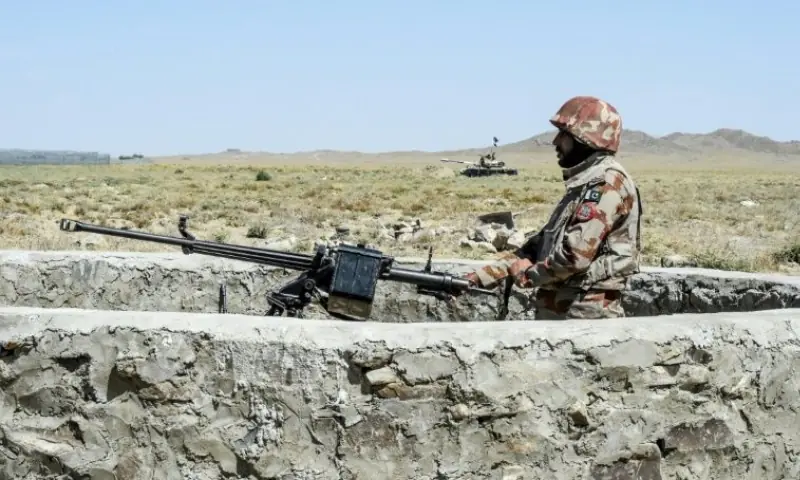
Nine killed in armed attack at copper and gold site in Balochistan’s Chagai

PSX drops over 2,750 points as profit-taking pressure hits market
Power division says hydropower production increases during peak hours amid demand pressure

Pakistan army officer completes mission during Maarka-e-Haq amid battlefield drone activity



22 minutes ago
28 minutes ago

40 minutes ago

43 minutes ago

52 minutes ago
58 minutes ago
- US intelligence officials have stated that Iran’s military capabilities remain more intact than publicly suggested by US political leadership, according…
 Iranian President Masoud Pezeshkian said that the Islamic Republic continues to support dialogue and diplomatic engagement, but accused the United…
- The Israeli military said it detained and returned dozens of Israeli civilians who briefly crossed into Syrian territory on Wednesday,…
- Pakistan hosted high-level talks between Iran and the United States in Islamabad following a fragile two-week ceasefire that came after…
- Federal health authorities have ordered strict nationwide enforcement of a ban on conventional disposable syringes and initiated a policy review…
 Pakistan’s second national anti-polio campaign of 2026 is continuing across the country, with efforts now in its sixth day as…
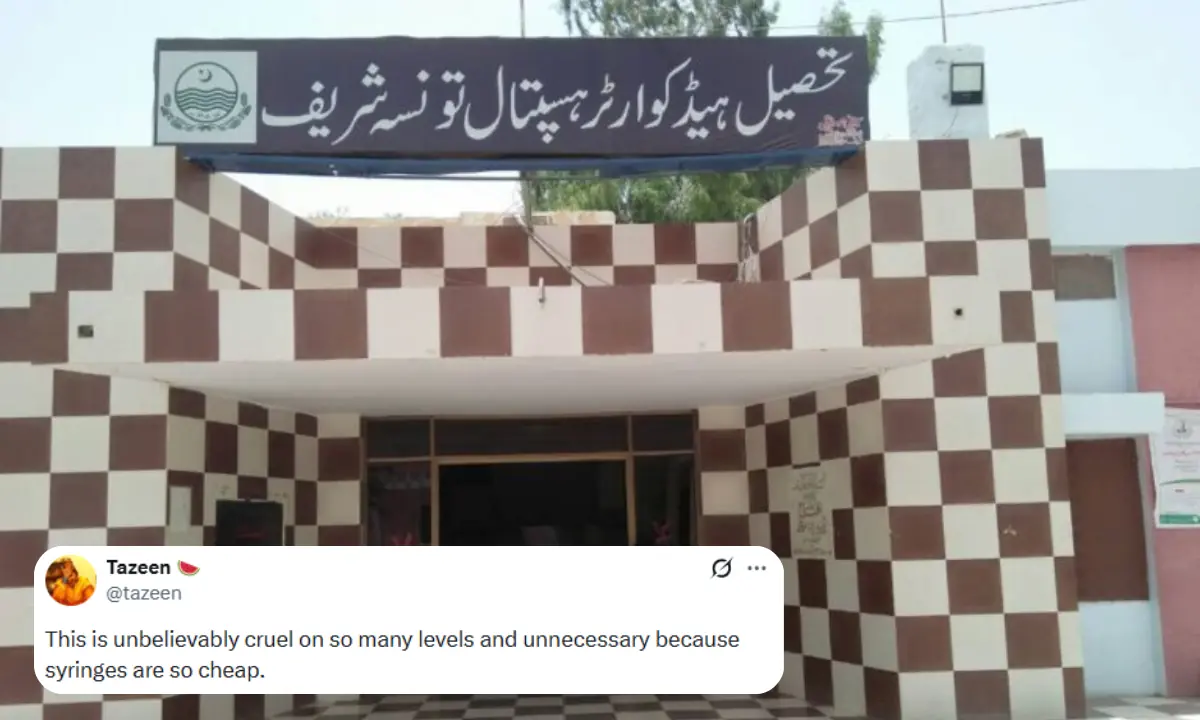
 A shocking report by BBC has triggered nationwide outrage in Pakistan after alleging severe medical malpractice at a Tehsil Headquarter…
 Pakistan’s second National Anti-Polio Campaign of 2026 is continuing across the country with full momentum, as health workers aim to…



- Gold prices in Pakistan recorded a significant decline on Thursday,…22 minutes ago
- The Punjab Home Department has issued an emergency advisory across…28 minutes ago
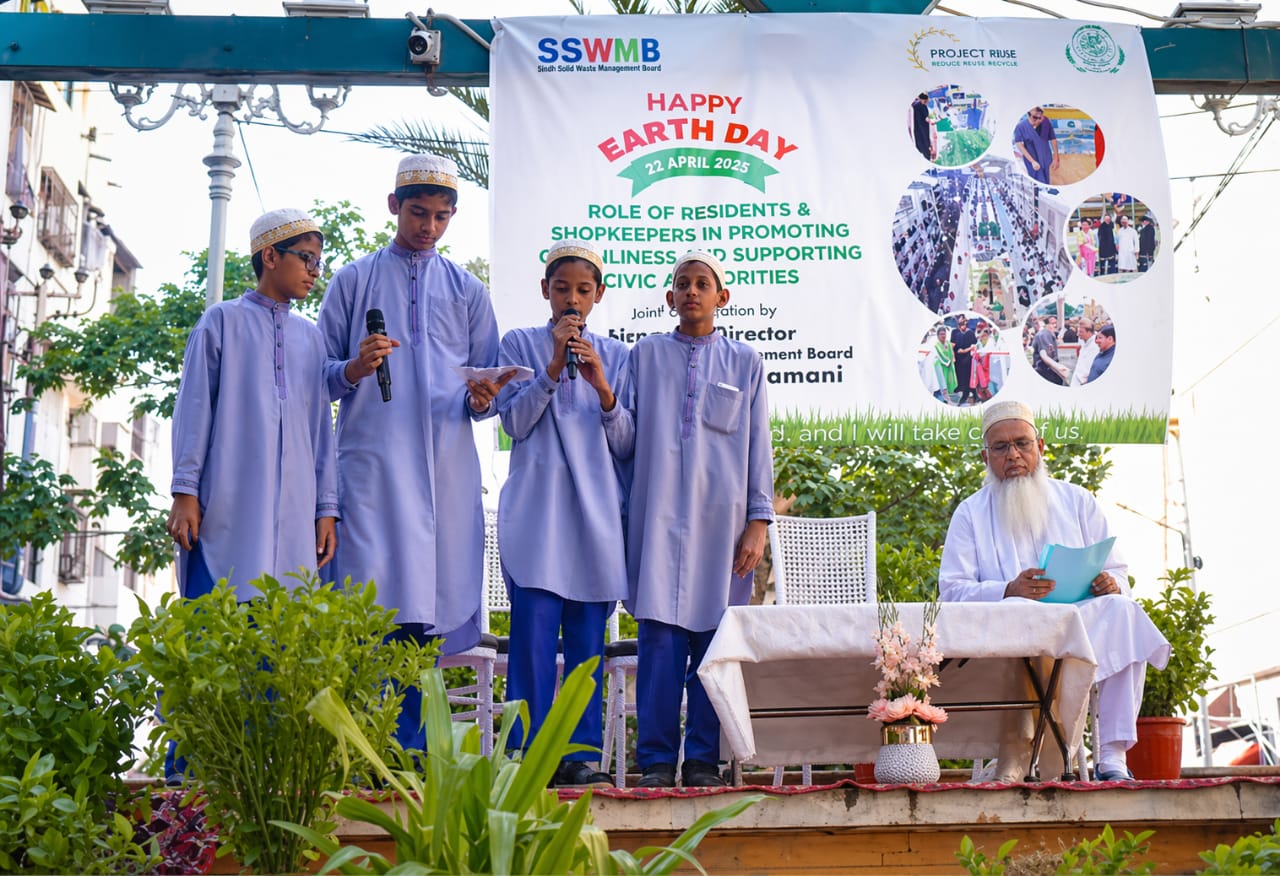
- Earth Day was celebrated in Karachi’s historic Saddar area through…40 minutes ago
- At least nine people working at a copper and gold…43 minutes ago