


US House deadlocks on resolution to end Iran war efforts
 Rabbia Zafar
|
2 hours ago
Rabbia Zafar
|
2 hours ago
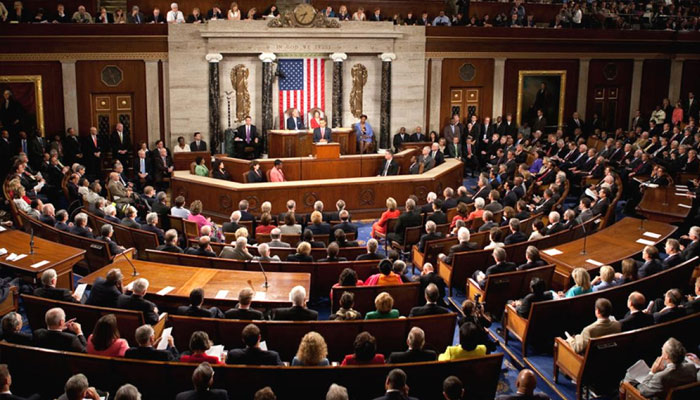
A political effort in the United States Congress to advance a resolution aimed at ending involvement in the Iran conflict has failed after the House of Representatives ended in a deadlock vote, highlighting deep partisan divisions over foreign policy.
In the lower chamber, lawmakers cast an equal number of votes for and against the resolution, with 212 supporting it and 212 opposing it, effectively neutralising the measure. The tie meant the proposal did not move forward for approval or rejection.
Reports indicated that a small number of cross-party defections shaped the outcome, with three members of the Republican Party supporting the resolution and one Democratic lawmaker voting against it. Despite these deviations from party lines, the final tally resulted in an exact split.
KP CM claims majority of militants in province are foreigners
The resolution had been introduced by Democratic lawmakers seeking to formally end or limit US involvement in military actions related to the Iran conflict. However, opposition from Republican members prevented it from gaining majority support in the House.
The legislative setback follows a similar outcome in the US Senate, where a comparable resolution was previously rejected. In that vote, 49 senators supported the measure while 51 voted against it, underscoring continued resistance in Congress to altering the administration’s current foreign policy stance.
Political analysts say the repeated failure of such resolutions reflects the complexity of US decision-making on Middle East conflicts, where national security concerns, alliance commitments and geopolitical tensions often override bipartisan initiatives.
The issue has become increasingly sensitive amid broader regional instability and ongoing diplomatic efforts involving major global powers. Lawmakers remain divided over the extent of US engagement and the appropriate path toward de-escalation.
With both chambers of Congress failing to pass measures aimed at ending the conflict, the administration retains significant flexibility in shaping US policy toward Iran in coordination with allies and international partners.
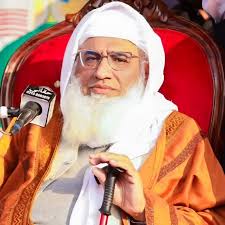
Seven suspects arrested in JUI ex-MP Maulana Idris murder case

North Korea rejects UK sanctions on children’s camp over Ukraine claims
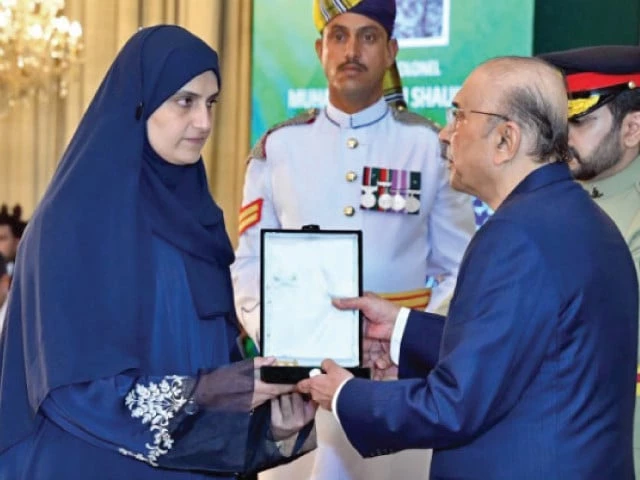
President Zardari confers 47 military awards at Aiwan-e-Sadr ceremony
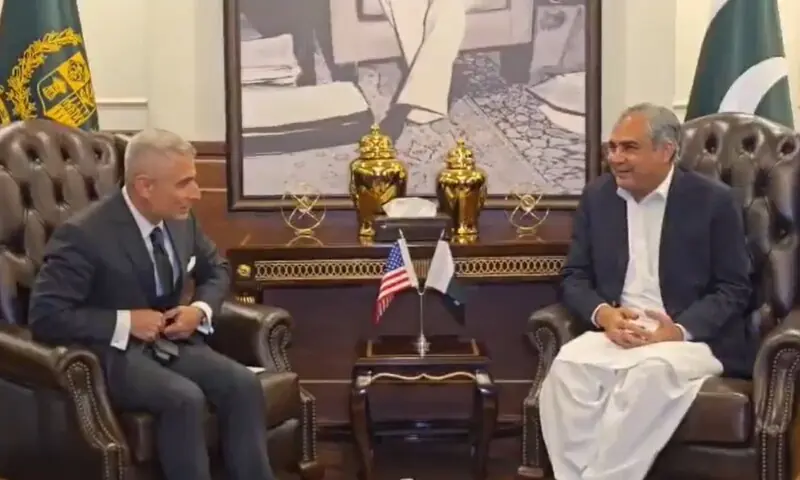
Pakistan-US ties strengthened during Trump era, says Mohsin Naqvi

LESCO uncovers remote-control electricity theft network in Lahore
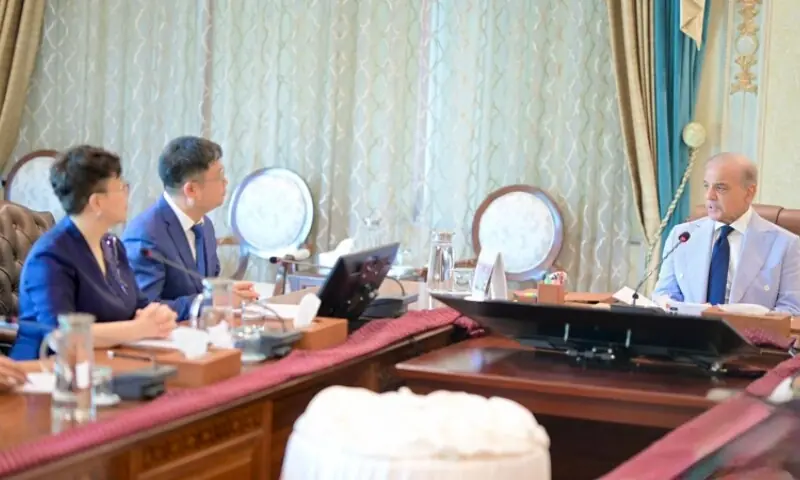
Shehbaz Sharif highlights Pakistan-China digital economy cooperation


39 minutes ago

49 minutes ago

54 minutes ago

1 hour ago

1 hour ago

1 hour ago
- North Korea has strongly criticised Britain for imposing sanctions on one of its children’s facilities, accusing London of attempting to…
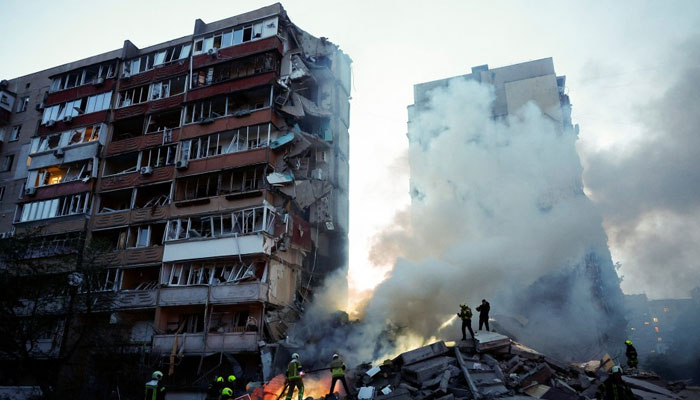
- Fighting between Russia and Ukraine intensified sharply after a brief three-day ceasefire expired, with both sides launching renewed attacks that…
- A political effort in the United States Congress to advance a resolution aimed at ending involvement in the Iran conflict…
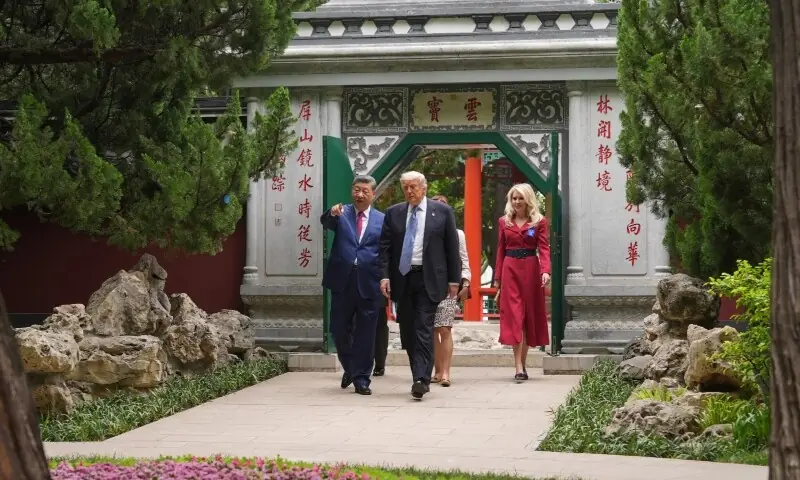
- United States President Donald Trump said he secured “fantastic trade deals” with Chinese leader Xi Jinping during their high-profile summit…
 A major shift in medical terminology has been announced for Polycystic Ovarian Syndrome (PCOS), a common hormonal disorder affecting millions…
- Health authorities are working to contain a potential international spread of hantavirus after new suspected cases emerged across multiple countries,…
 The Indus Hospital, located in Karachi’s Korangi area, has earned widespread recognition for providing free and quality healthcare services to…
- The Healthcare Devices Association of Pakistan (HDAP) has raised serious concerns over the continued presence of banned reusable syringes in…





- Significant progress has been made in the investigation into the…39 minutes ago
- North Korea has strongly criticised Britain for imposing sanctions on…49 minutes ago
- President Asif Ali Zardari on Thursday conferred 47 military awards…54 minutes ago
- Fighting between Russia and Ukraine intensified sharply after a brief…1 hour ago