


US Imposes New Sanctions on Iran Crypto and Oil Network
 Web Desk
|
4 hours ago
Web Desk
|
4 hours ago
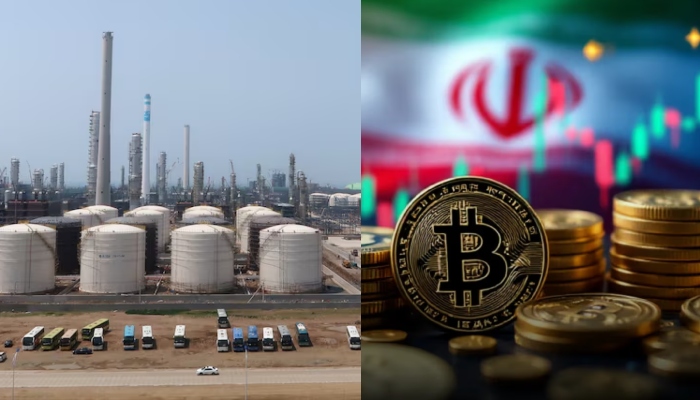
The United States imposes new sanctions on Iran crypto and oil network to increase financial pressure. Officials said the move targets key revenue channels linked to Iran. The US Imposes New Sanctions on Iran Crypto and Oil Network action reflects a broader economic strategy.
According to reports, authorities froze about 344 million dollars in cryptocurrency. These funds were linked to Iranian crypto wallets under investigation. The step aims to disrupt digital financial flows connected to sanctioned entities.
US Treasury Secretary Scott Bessent said pressure on Iran’s financial system will continue. He emphasized that the United States will keep tightening restrictions. This approach targets Iran’s ability to fund operations through alternative channels.
Also Read: Iran Assures No Tax on Friendly Tankers in Strait
Meanwhile, the US also imposed sanctions on a major China-based oil refinery. In addition, nearly 40 shipping companies and tankers faced restrictions. Officials said these entities were involved in facilitating Iran’s oil trade.
Reports suggest the move follows earlier warnings by Donald Trump about penalizing those doing business with Iran. Overall, the US Imposes New Sanctions on Iran Crypto and Oil Network decision aims to limit oil exports and financial activity, increasing economic pressure on Iran.
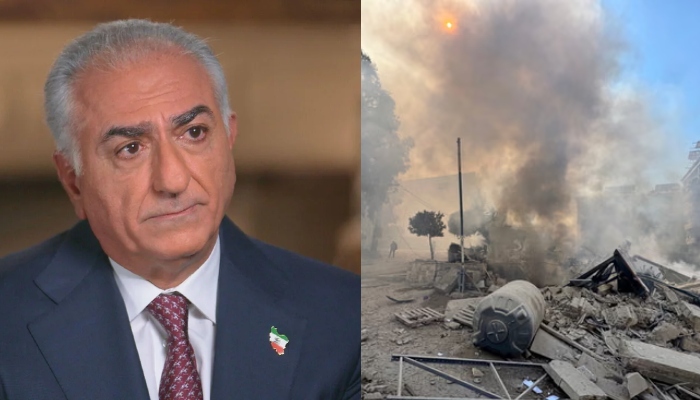
Reza Pahlavi remarks on Iran strike casualties spark debate


16 minutes ago
4 hours ago
4 hours ago
4 hours ago
4 hours ago
5 hours ago
- Reza Pahlavi, the son of Iran’s former monarch, has drawn attention after describing civilian deaths in recent airstrikes on Iran…
- The United States imposes new sanctions on Iran crypto and oil network to increase financial pressure. Officials said the move…
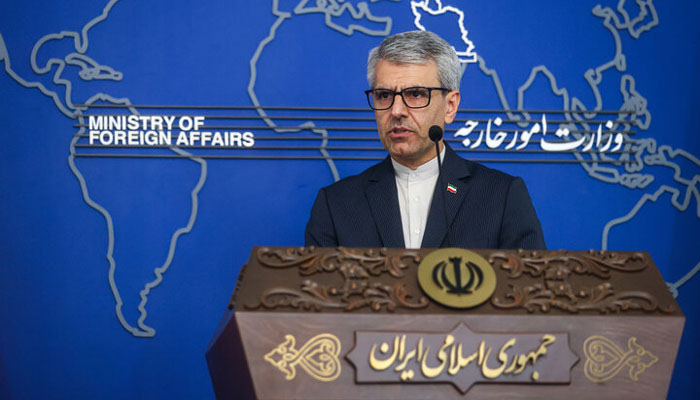
- No Iran US meeting planned in Pakistan, says Iranian Foreign Ministry spokesperson Esmail Baghaei. He rejected reports about any scheduled…
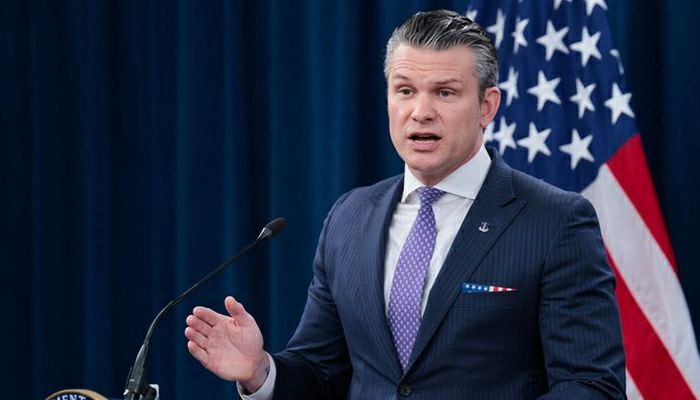
- US Defense Chief Pete Hegseth said Iran has a historic chance for a deal. He urged Iran to abandon its…
 Federal health authorities have ordered strict nationwide enforcement of a ban on conventional disposable syringes and initiated a policy review…
 Pakistan’s second national anti-polio campaign of 2026 is continuing across the country, with efforts now in its sixth day as…
 A shocking report by BBC has triggered nationwide outrage in Pakistan after alleging severe medical malpractice at a Tehsil Headquarter…
 Pakistan’s second National Anti-Polio Campaign of 2026 is continuing across the country with full momentum, as health workers aim to…




- Reza Pahlavi, the son of Iran’s former monarch, has drawn…16 minutes ago
- Islamabad United qualify for the PSL playoffs after a dominant…4 hours ago
- The United States imposes new sanctions on Iran crypto and…4 hours ago
- No Iran US meeting planned in Pakistan, says Iranian Foreign…4 hours ago