


US-Iran talks likely to resume in Islamabad next week
 Rabbia Zafar
|
6 days ago
Rabbia Zafar
|
6 days ago
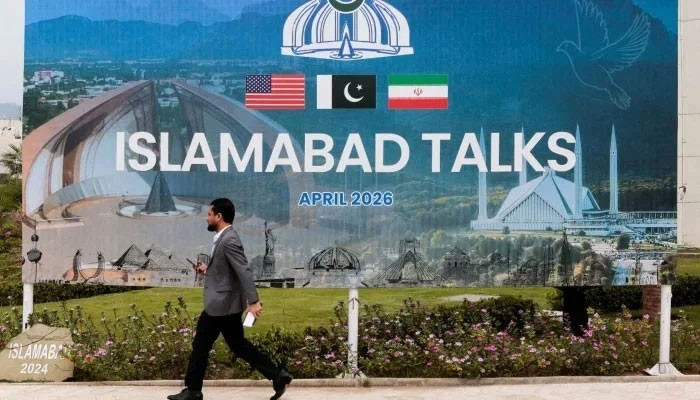
Negotiations between the United States and Iran are expected to resume in Islamabad next week as diplomatic efforts continue to ease tensions and seek a broader framework for ending ongoing regional hostilities.
According to a report by The Wall Street Journal, the two sides are working alongside mediators on a 14-point memorandum of understanding (MoU) aimed at establishing a one-month negotiation framework. The proposed talks are intended to create a pathway toward reducing conflict and addressing key security concerns in the region.
The report, citing sources familiar with the matter, said discussions in the draft agreement include Iran’s nuclear programme, de-escalation in the Strait of Hormuz, and the possible transfer of Iran’s highly enriched uranium stockpiles to a third country.
Despite progress on some issues, several major disagreements reportedly remain unresolved. One of the most contentious points continues to be the extent of sanctions relief for Iran, which is seen as a potential obstacle to reaching a final agreement.
According to the report, if negotiations show positive progress, both sides may mutually agree to extend the initial one-month discussion period to continue diplomatic engagement.
The expected Islamabad talks would follow the first round of negotiations held between the delegations on April 11 in Pakistan’s capital. Those discussions reportedly lasted around 21 hours but concluded without a formal agreement or breakthrough.
Pakistan has been playing a facilitating role in the dialogue process amid broader international efforts to prevent further escalation in the Middle East. Analysts believe the continuation of talks reflects ongoing attempts by both Washington and Tehran to keep diplomatic channels open despite heightened regional tensions.
The possible resumption of negotiations comes at a critical time as concerns continue over regional security, maritime tensions in the Strait of Hormuz, and unresolved disputes related to Iran’s nuclear activities.

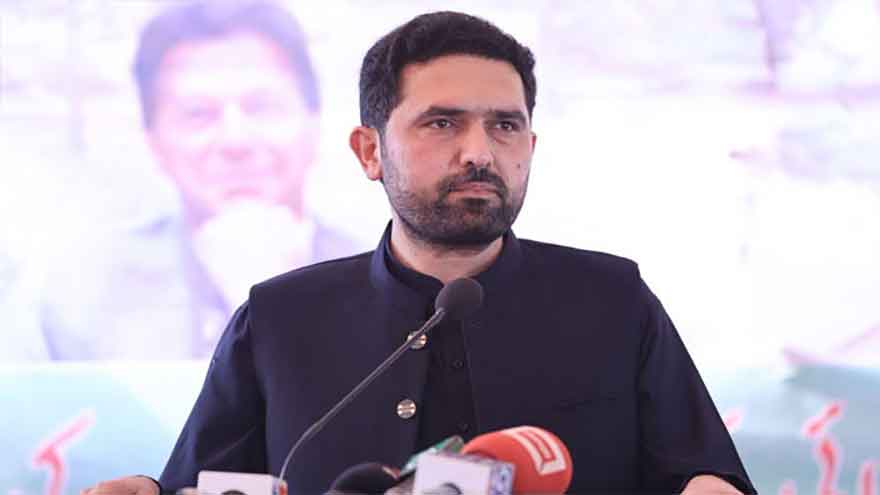
KP CM claims majority of militants in province are foreigners

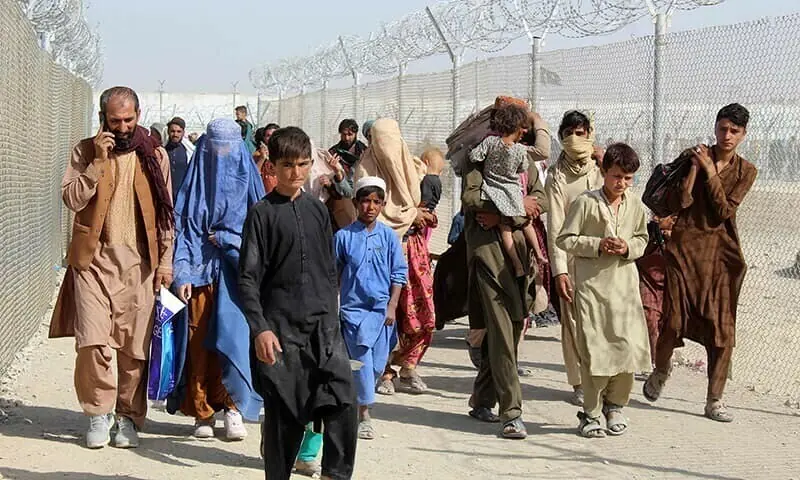
Tribes urge faster repatriation of Afghan families via Torkham



10 minutes ago

20 minutes ago

31 minutes ago

37 minutes ago
47 minutes ago
57 minutes ago
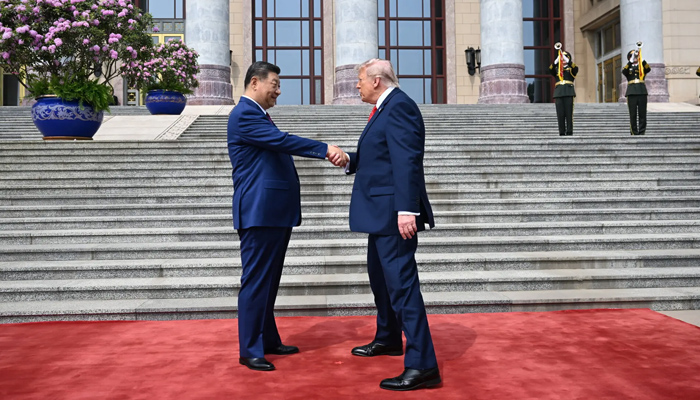
- United States President Donald Trump said he secured “fantastic trade deals” with Chinese leader Xi Jinping during their high-profile summit…
- Israel has threatened legal action against The New York Times over an opinion piece alleging widespread sexual abuse of Palestinian…
- Saudi Arabia has reportedly proposed a regional non-aggression agreement involving Middle Eastern countries and Iran in an effort to ease…
- U.S. Secretary of State Marco Rubio reportedly entered China alongside President Donald Trump despite an existing Chinese ban against him.…
 A major shift in medical terminology has been announced for Polycystic Ovarian Syndrome (PCOS), a common hormonal disorder affecting millions…
 Health authorities are working to contain a potential international spread of hantavirus after new suspected cases emerged across multiple countries,…
 The Indus Hospital, located in Karachi’s Korangi area, has earned widespread recognition for providing free and quality healthcare services to…
 The Healthcare Devices Association of Pakistan (HDAP) has raised serious concerns over the continued presence of banned reusable syringes in…





- Global oil prices rose more than 1% on Friday after…10 minutes ago
- Khyber Pakhtunkhwa Chief Minister Sohail Afridi has stated that a…20 minutes ago
- A US technology startup has developed a controversial new system…31 minutes ago
- Tribal representatives in Landi Kotal have urged the government to…37 minutes ago