


Iran president cites mistrust in US relations
 Rabbia Zafar
|
4 hours ago
Rabbia Zafar
|
4 hours ago
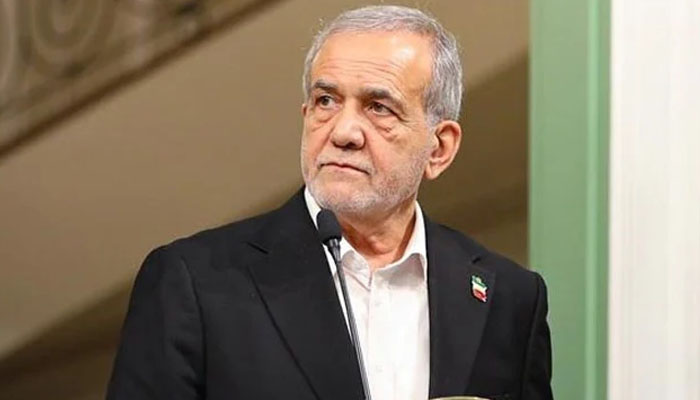
Iran’s President Masoud Pezeshkian has said that longstanding historical mistrust remains the main obstacle in relations between Iran and the United States.
In a recent statement, Pezeshkian noted that signals coming from American officials have often been inconsistent and nonconstructive, sending what he described as negative messages. He emphasised that meaningful negotiations can only take place when agreements are honoured and commitments are fulfilled by all parties involved.
The Iranian president highlighted that distrust between Tehran and Washington is deeply rooted in history, shaped by decades of political tensions and unresolved disputes. He suggested that these issues continue to influence the current diplomatic climate, making progress in negotiations more challenging.
If America cannot confront Iran, it should not mess with China either, says Belarusian President
Pezeshkian also criticised what he يرى as pressure tactics, stating that the United States expects Iran to “surrender,” a position he firmly rejected. He stressed that the Iranian nation would not bow to external pressure and would continue to defend its sovereignty and national interests.
Relations between Iran and the United States have remained strained for years, particularly following disputes over Iran’s nuclear program and economic sanctions imposed by Washington. Efforts to revive diplomatic engagement have faced repeated setbacks, with both sides accusing each other of failing to meet commitments.
Analysts believe that statements like these reflect the broader stance within Iran’s leadership, where skepticism toward U.S. intentions remains widespread. While diplomatic channels have not been entirely closed, progress depends largely on rebuilding trust and ensuring that any future agreements are implemented consistently.
The remarks come at a time when regional tensions remain high, and the international community continues to monitor developments closely, hoping for renewed dialogue and stability in the region.
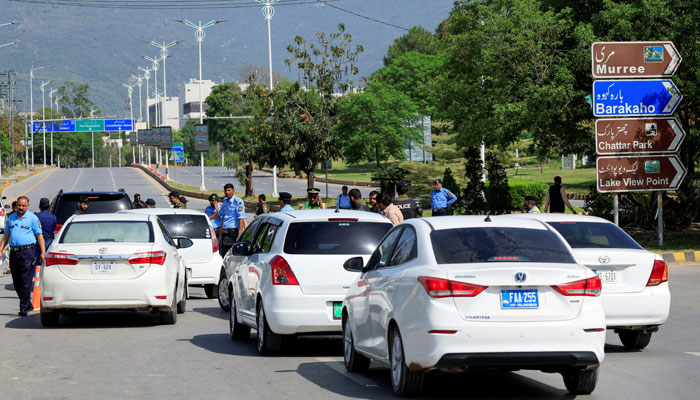
Islamabad on high alert with tight security ahead of US-Iran talks
Young doctor killed in suspected targeted shooting near Karachi hotel

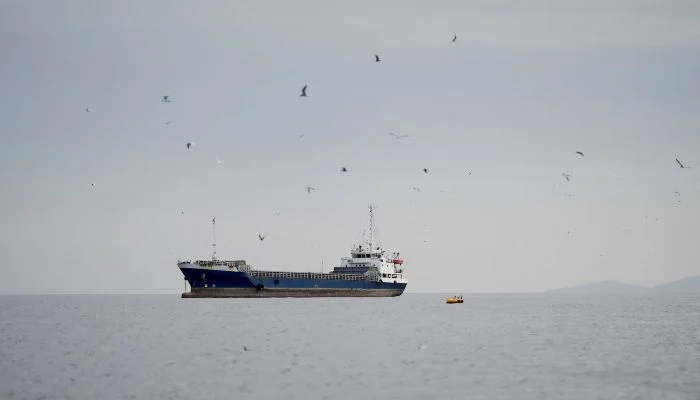
Fraudulent crypto scams target stranded ships near Strait of Hormuz

Oil and markets swing as US Iran talks face ceasefire deadline pressure
Rohingya sea tragedy highlights rising desperation in Bangladesh camps


45 minutes ago

52 minutes ago
1 hour ago
1 hour ago

1 hour ago

2 hours ago
 A deadly boat disaster in the Andaman Sea has once again exposed the growing humanitarian crisis facing Rohingya refugees fleeing…
- The United States has expressed confidence that peace talks with Iran will proceed in Islamabad, even as uncertainty persists over…
 An explosion during a military training exercise in Japan has killed three soldiers, according to Prime Minister Sanae Takaichi. The…
- A new assessment report by the United Nations and the European Union has estimated that approximately $71.4 billion will be…

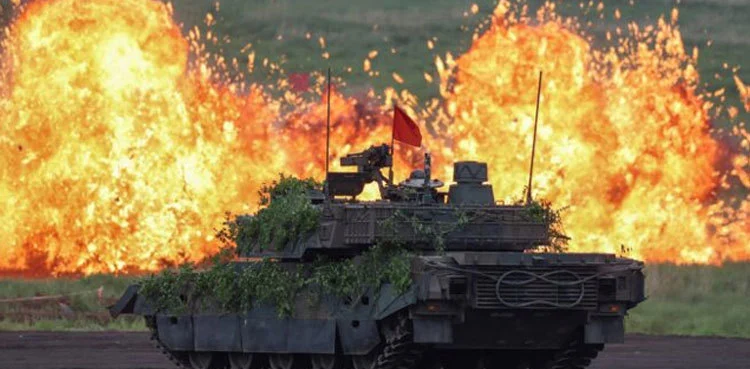
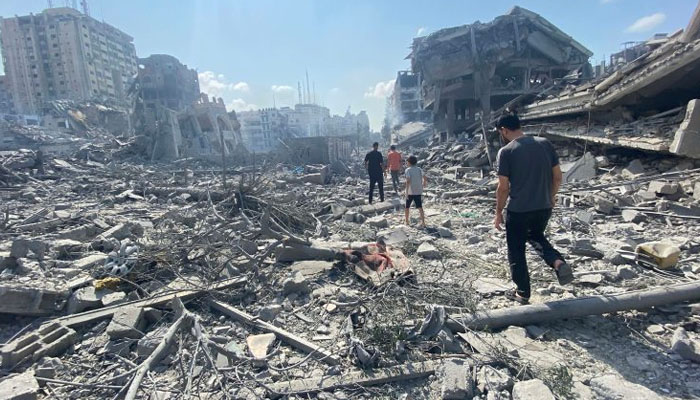
 Pakistan’s second national anti-polio campaign of 2026 is continuing across the country, with efforts now in its sixth day as…
 A shocking report by BBC has triggered nationwide outrage in Pakistan after alleging severe medical malpractice at a Tehsil Headquarter…
 Pakistan’s second National Anti-Polio Campaign of 2026 is continuing across the country with full momentum, as health workers aim to…
- A new case of monkeypox has been reported in Karachi, raising fresh concerns among health authorities in the city. According…

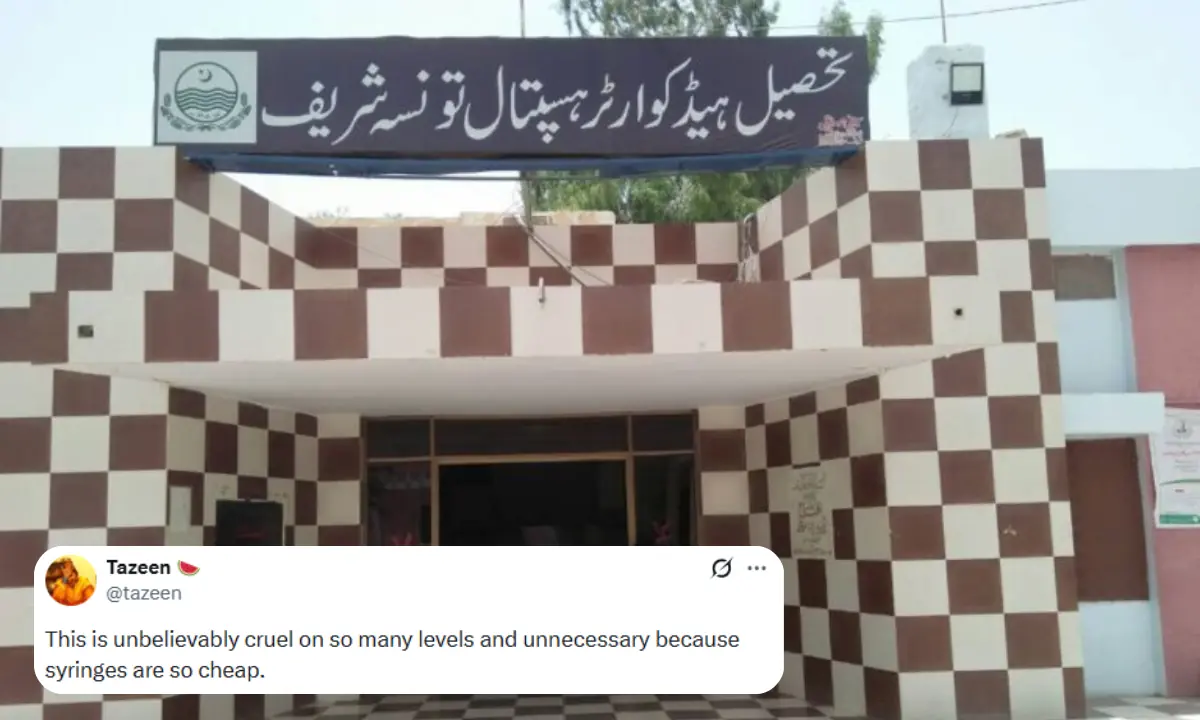




- Security has been significantly tightened in Islamabad amid preparations for…45 minutes ago
- A young doctor, Dr Sarang Memon, was shot dead in…52 minutes ago
- Rising use of solar energy by consumers has significantly improved…1 hour ago
- Maritime security firm MARISKS has warned of fraudulent messages targeting…1 hour ago