


North Korean hackers suspected in $300 million crypto theft
 Rabbia Zafar
|
6 hours ago
Rabbia Zafar
|
6 hours ago

A North Korean-linked hacking group is suspected of carrying out a massive cryptocurrency theft worth nearly $300 million, according to an affected party and cyber security analysts. The incident, which occurred over the weekend, is being described as the largest known crypto heist of 2026 so far.
The targeted platform, KelpDAO, confirmed that approximately $290 million was drained from its vault on April 18, 2026. The exploit reportedly involved the compromise of two blockchain servers operated by LayerZero, a crypto infrastructure provider supporting cross-chain transactions. This breach allowed attackers to manipulate a token linked to Ethereum and siphon funds from KelpDAO.
LayerZero stated that early indicators point to a highly sophisticated state-backed actor, likely North Korea’s Lazarus Group, a hacking collective widely accused of orchestrating global cyber theft operations. The company clarified that there was no evidence of further contamination affecting other applications or cross-chain assets.
Cyberattack: Hackers broadcast AI-generated Trump-Musk video on state TV
North Korea has long been accused of using cybercrime as a major funding source for its weapons development programme. According to a United Nations monitoring panel, the country has stolen more than $3 billion in cryptocurrency since 2017. The Lazarus Group has previously been linked to several high-profile digital asset thefts, including one of the largest crypto heists in history last year.
Cybersecurity experts warn that the latest incident highlights growing vulnerabilities in decentralised finance (DeFi) platforms, which rely on blockchain technology to eliminate intermediaries such as banks and governments. Analysts say the scale and sophistication of such attacks may discourage new investors from entering the DeFi ecosystem.
While investigations are ongoing, experts believe attribution to state-backed actors remains the strongest working theory. The incident has renewed global concerns about the intersection of cybercrime, geopolitics, and digital finance security.
NASA unveils powerful Roman telescope for deep space exploration
Pakistan freelancers drive surge in IT export earnings

PSX remains volatile as investors await Iran US talks outcome


Sindh suspends board officials amid cheating and exam leak probe in Karachi

Oil prices surge nearly 5% as Iran tensions shake global markets
UAE envoy says country does not need external financial support


7 minutes ago

1 hour ago

1 hour ago
2 hours ago
2 hours ago

2 hours ago
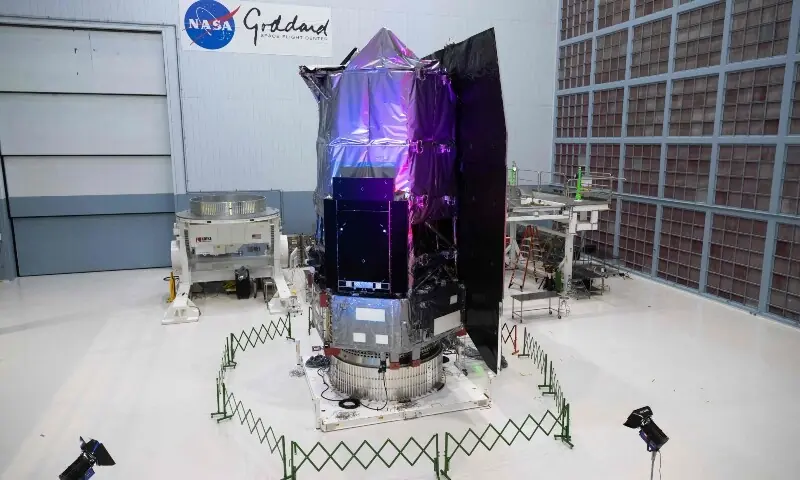
- The NASA has unveiled its latest space observatory, the Nancy Grace Roman Space Telescope, designed to explore distant planets and…
- The United Arab Emirates’ ambassador to the United States, Yousef Al Otaiba, has stated that the UAE does not require…
- Kuwait has issued two new government decisions revoking citizenship from 172 individuals as part of an ongoing national review of…
- Iran’s military has issued a strong warning to the United States and Israel, stating that any act of aggression against…


 Pakistan’s second national anti-polio campaign of 2026 is continuing across the country, with efforts now in its sixth day as…
 A shocking report by BBC has triggered nationwide outrage in Pakistan after alleging severe medical malpractice at a Tehsil Headquarter…
 Pakistan’s second National Anti-Polio Campaign of 2026 is continuing across the country with full momentum, as health workers aim to…
 A new case of monkeypox has been reported in Karachi, raising fresh concerns among health authorities in the city. According…






- Prime Minister Shehbaz Sharif has directed authorities to accelerate efforts…7 minutes ago
- The NASA has unveiled its latest space observatory, the Nancy…1 hour ago
- Pakistan’s information technology sector continues to show steady growth, with…1 hour ago
- The Pakistan Stock Exchange (PSX) showed a fragile and directionless…2 hours ago