


Iran warns US-Israel war could resume amid rising Strait of Hormuz tensions
 Rabbia Zafar
|
2 hours ago
Rabbia Zafar
|
2 hours ago
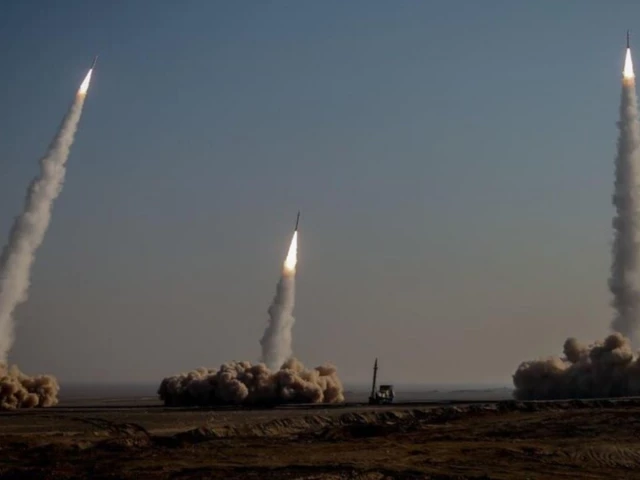
Iran’s armed forces have warned that the war involving the United States and Israel could “likely” resume, saying there is evidence that Washington is not committed to any agreements or treaties, according to Al Jazeera.
In a statement carried by Iran’s Fars News Agency, Mohammad Jafar Asadi, deputy head of Iran’s military headquarters, said that US actions and statements are mainly “media-driven.” He claimed they are aimed at preventing a decline in global oil prices and distancing Washington from what he described as the “mess they have created.”
Asadi further stated that Iran’s armed forces are fully prepared for any new military escalation or “foolishness” from the United States, signaling continued high alert within Iran’s defense establishment.
In a separate development, Iran’s Islamic Revolutionary Guard Corps (IRGC) announced new maritime rules concerning the country’s coastline in the Persian Gulf and the Strait of Hormuz. The announcement reportedly follows directives from Iran’s Supreme Leader.
Syed Noor Says Actors’ Protocols Make Film Casting Difficult Today
According to state media, the IRGC Navy said it will exercise control over nearly 2,000 kilometers of coastline in the region, describing the waterway as a source of both economic strength and regional security. However, no detailed explanation of the new rules was provided.
Tensions remain high in the Strait of Hormuz, a critical global oil shipping route, especially after earlier military confrontations and restrictions on maritime movement. Iran had previously limited passage through the waterway in response to US-Israeli strikes that began in late February.
A ceasefire was reportedly brokered in early April through mediation efforts, with Pakistan playing a diplomatic role. However, no formal long-term agreement has been reached, and both sides continue to accuse each other of violations.
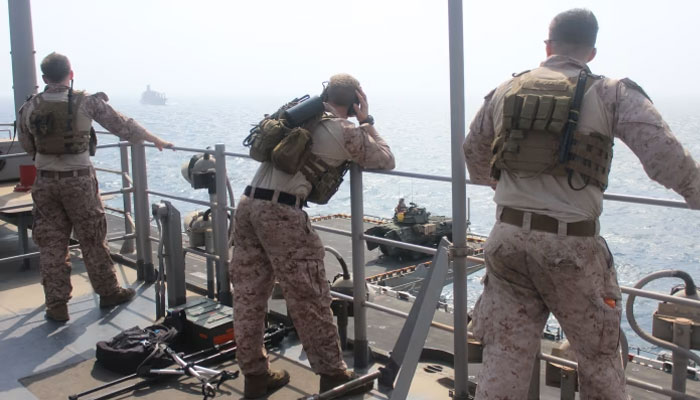
The US has also reportedly maintained naval pressure in the region, further contributing to instability in one of the world’s most strategic maritime corridors.
Ishaq Dar discusses Middle East situation with Kuwait’s foreign minister
Iran warns US-Israel war could resume amid rising Strait of Hormuz tensions
Pakistan and China sign agreements in construction, livestock and medical technology sectors

Maryam Nawaz approves design of Gujranwala mass transit system
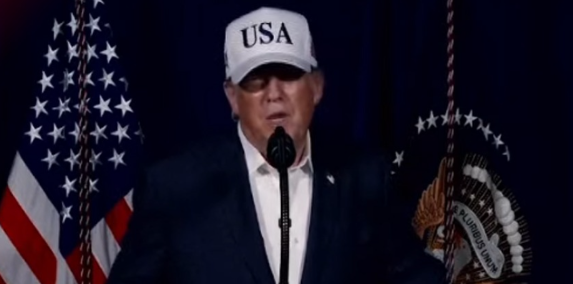
Trump tells Congress Iran hostilities have “terminated” in war powers letter


New documentary to tell Princess Diana’s story in her own words


44 minutes ago

50 minutes ago

2 hours ago
3 hours ago

3 hours ago

3 hours ago
- Iran’s armed forces have warned that the war involving the United States and Israel could “likely” resume, saying there is…
- US President Donald Trump has informed Congress that hostilities with Iran have been “terminated,” according to a formal letter sent…
- US President Donald Trump has said that the US Navy is acting like “pirates” in its operations targeting Iranian ports,…
- US President Donald Trump has signed an executive order expanding sanctions against the Cuban government, according to two White House…
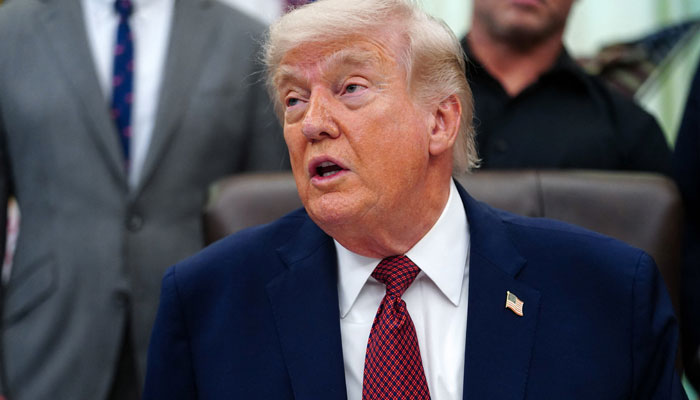
- The Healthcare Devices Association of Pakistan (HDAP) has raised serious concerns over the continued presence of banned reusable syringes in…
- Federal health authorities have ordered strict nationwide enforcement of a ban on conventional disposable syringes and initiated a policy review…
 Pakistan’s second national anti-polio campaign of 2026 is continuing across the country, with efforts now in its sixth day as…
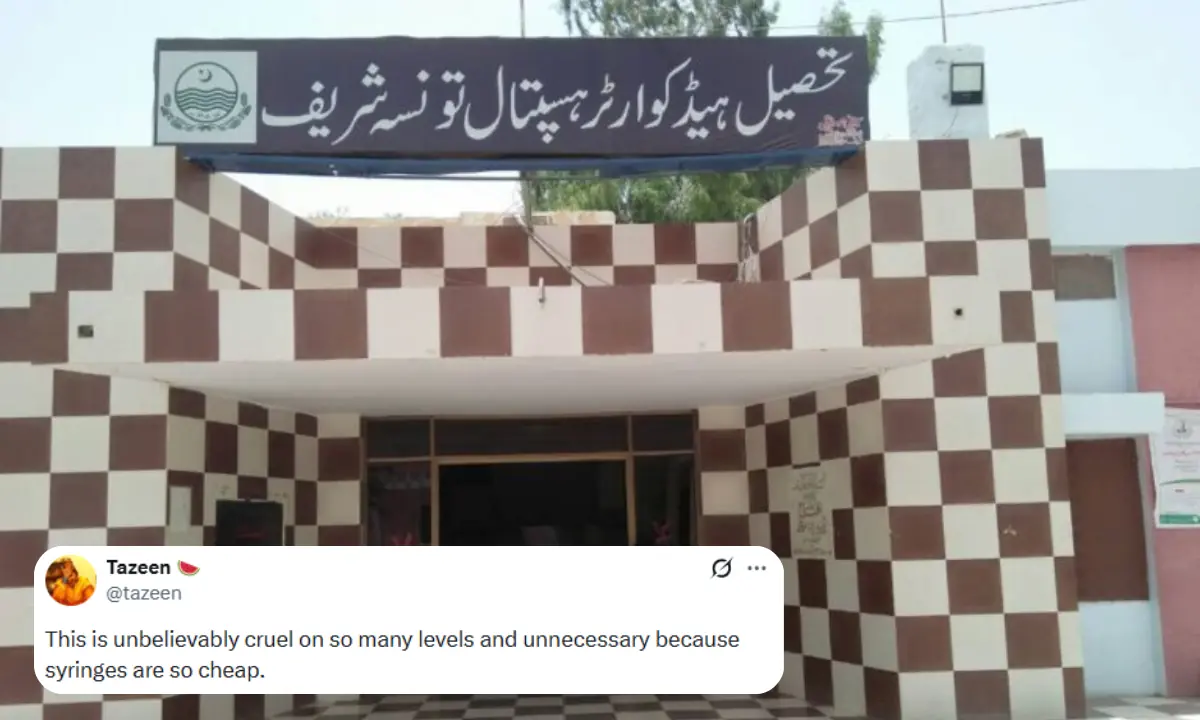
 A shocking report by BBC has triggered nationwide outrage in Pakistan after alleging severe medical malpractice at a Tehsil Headquarter…




- Pakistan’s Deputy Prime Minister and Foreign Minister Ishaq Dar on…44 minutes ago
- The Provincial Disaster Management Authority (PDMA) of Khyber Pakhtunkhwa has…50 minutes ago
- Iran’s armed forces have warned that the war involving the…2 hours ago
- President Asif Ali Zardari on Friday witnessed the signing of…3 hours ago