


Pakistan moves to sell 50–100% shares of three power distribution companies
 Rabbia Zafar
|
2 hours ago
Rabbia Zafar
|
2 hours ago

Pakistan has approved a plan to sell between 50% and 100% of shares in three major electricity distribution companies—Islamabad Electric Supply Company (IESCO), Gujranwala Electric Power Company (GEPCO), and Faisalabad Electric Supply Company (FESCO)—as part of broader power sector reforms and privatisation efforts.
The decision was taken during a meeting of the Cabinet Committee on Privatisation of the power sector, chaired by Deputy Prime Minister Ishaq Dar. The committee reviewed the proposed privatisation structure and approved the transaction framework for the three distribution companies.
According to the official statement, the government will offer between 50% and 100% of the share capital of each company for sale. The move is designed to attract private investment into the power distribution system and improve operational efficiency, financial discipline, and service delivery.
Pakistan opt to field in must-win Sylhet Test
The statement further clarified that while shareholding will be transferred under the plan, administrative control will remain subject to federal oversight and final approval by the federal cabinet. This suggests a phased and regulated approach to privatisation rather than a complete immediate transfer of control.
The inclusion of IESCO, GEPCO, and FESCO in the privatisation pipeline marks a significant step in Pakistan’s ongoing efforts to restructure its power sector, which has long faced challenges including circular debt, transmission losses, and inefficiencies in revenue collection.
Officials argue that introducing private-sector management and investment could help modernise infrastructure, reduce losses, and improve billing systems. However, such moves have historically also faced scrutiny from labour groups and policy experts concerned about pricing, employment security, and regulatory oversight.
The decision comes amid broader economic reforms aimed at stabilising public finances and improving governance in state-owned enterprises. The government is expected to move forward with formal bidding processes after securing final cabinet approvals and completing valuation and transaction structuring phases.
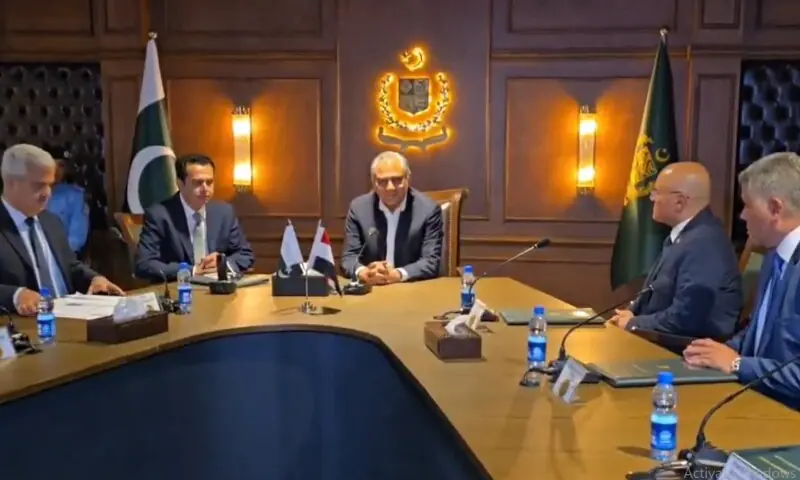
Pakistan, Egypt agree to boost security cooperation and counter-terrorism ties
Trump’s Iran strategy stalls as rhetoric and reality collide

Sanam Saeed, Roma Riaz to represent Pakistan at Cannes Film Festival

Court reserves verdict on physical remand of drug suspect Anmol alias Pinky in Karachi

Parliament clashes over Imran Khan access as opposition threatens protests
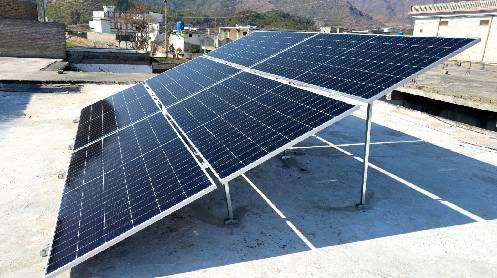
Stakeholders urge tax cut on lithium batteries to boost renewable energy in Pakistan
Pakistan pushes textile exports, APBUMA plans global expansion at US exhibition

Gold prices in Pakistan drop sharply amid global selloff and strong US dollar


11 minutes ago

19 minutes ago
22 minutes ago
47 minutes ago
52 minutes ago

1 hour ago
- US President Donald Trump’s confrontational diplomatic style, which has delivered results in some global disputes, appears to be faltering in…
- Donald Trump has claimed that a “decisive attack” on Iran was halted following requests from “very good people” in Pakistan…
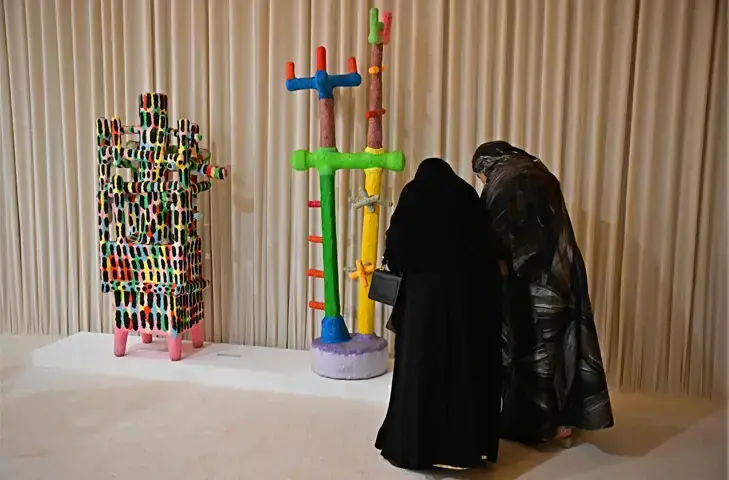
 The Middle East’s largest annual contemporary art fair, Art Dubai, opened in Dubai on Friday under the shadow of the…
- Itamar Ben-Gvir led thousands of Israelis into the compound of Al-Aqsa Mosque, where he reportedly engaged in a highly provocative…

 A major shift in medical terminology has been announced for Polycystic Ovarian Syndrome (PCOS), a common hormonal disorder affecting millions…
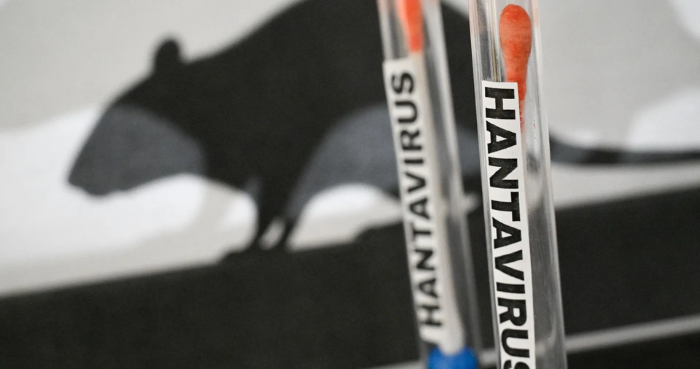
 Health authorities are working to contain a potential international spread of hantavirus after new suspected cases emerged across multiple countries,…
 The Indus Hospital, located in Karachi’s Korangi area, has earned widespread recognition for providing free and quality healthcare services to…
 The Healthcare Devices Association of Pakistan (HDAP) has raised serious concerns over the continued presence of banned reusable syringes in…



- Interior Minister Mohsin Naqvi on Saturday met a high-level delegation…11 minutes ago
- US President Donald Trump’s confrontational diplomatic style, which has delivered…19 minutes ago
- Pakistani actress Sanam Saeed and model Roma Riaz will represent…22 minutes ago
- A judicial magistrate’s court in Karachi on Friday reserved its…47 minutes ago