


Electric scooters offer women a new route to independence
 Web Desk
|
2 hours ago
Web Desk
|
2 hours ago
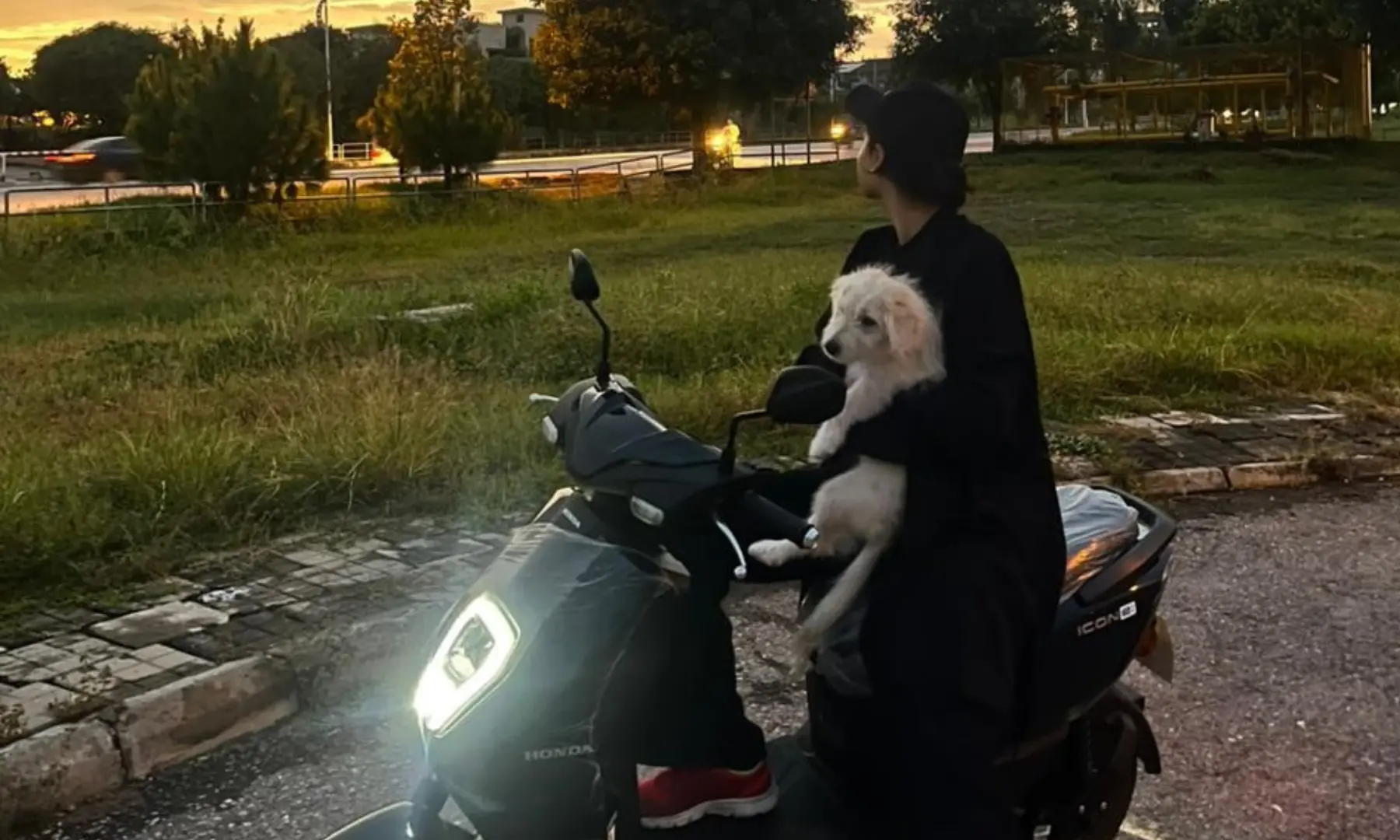
Electric scooters are emerging as a symbol of independence and mobility for women in Pakistan, offering a practical alternative to traditional transport while highlighting broader challenges related to affordability, infrastructure, and social norms.
For 22-year-old engineering student Esha, purchasing an electric scooter for Rs420,000 transformed her daily commute. Since buying the vehicle, she has avoided fuel expenses entirely, charging the scooter at home and travelling more than 60 kilometres on a single charge. Beyond the financial savings, the scooter has provided her with greater freedom and self-reliance. She says many young women are intrigued by electric scooters because they appear easier to handle and offer an opportunity to travel independently.
Similar experiences are shared by other women who view electric scooters as a safer and more manageable option compared to conventional motorcycles. Their growing popularity reflects increasing interest in cleaner and more affordable transportation solutions as fuel prices continue to rise across the country.
However, significant barriers remain. The high upfront cost of electric scooters places them beyond the reach of many low-income households. Limited access to financing, concerns about battery life, inadequate charging infrastructure, and uncertainty regarding maintenance continue to discourage widespread adoption. For working-class women, reliability and affordability remain critical concerns, especially in cities where charging stations are scarce.
Government initiatives aim to accelerate electric vehicle adoption through subsidies and policy incentives, but implementation has been slower than expected. While electric mobility presents opportunities for reducing fuel consumption and promoting environmental sustainability, experts argue that a fair transition must also address the needs of lower-income communities, informal workers, and those without access to formal financial systems.
Supporters believe electric scooters can play an important role in expanding women’s mobility and economic participation. Yet achieving this potential will require better infrastructure, inclusive financing options, public awareness, and broader efforts to ensure that the benefits of the transition are accessible to all segments of society.
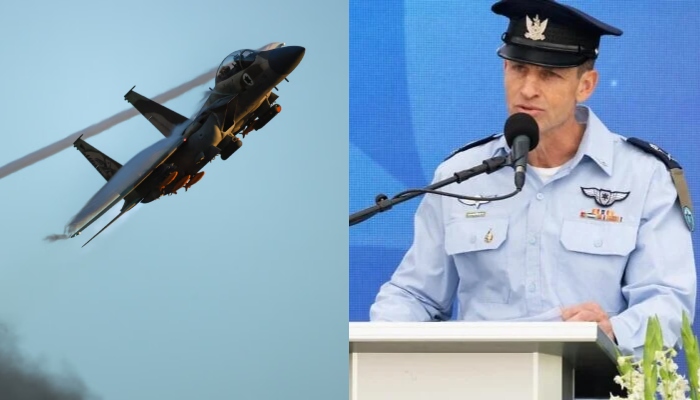
Israeli air force planned Iran strike, chief reveals


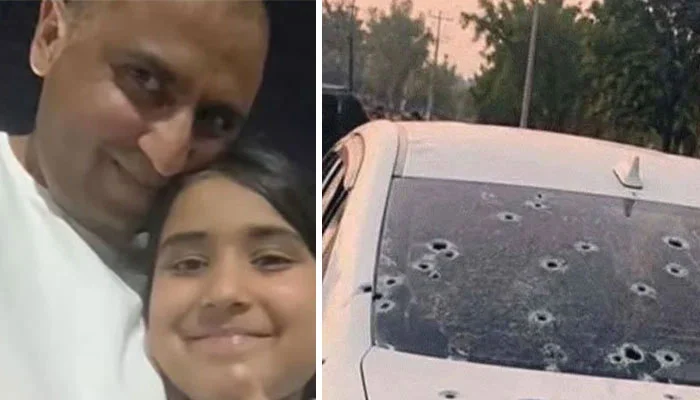
Post-mortem reveals extent of injuries in Hania Adil shooting case

1 second ago

6 minutes ago
10 minutes ago
13 minutes ago
43 minutes ago

47 minutes ago
- The chief of Israel’s air force has revealed that a major military operation against Iran was planned for June 8…
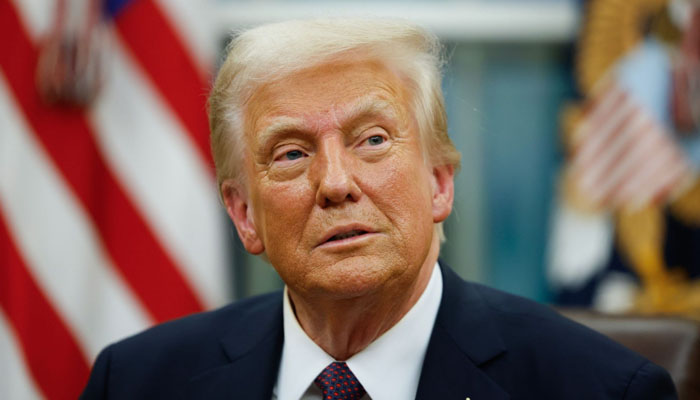
- US President Donald Trump has said that the proposed new agreement with Iran will serve as a strong barrier against…
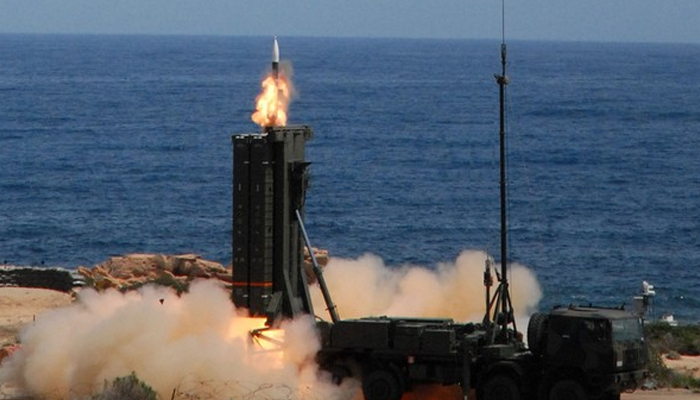
- Italy has announced the deployment of an advanced air defense system in central Türkiye as part of NATO’s ongoing defense…
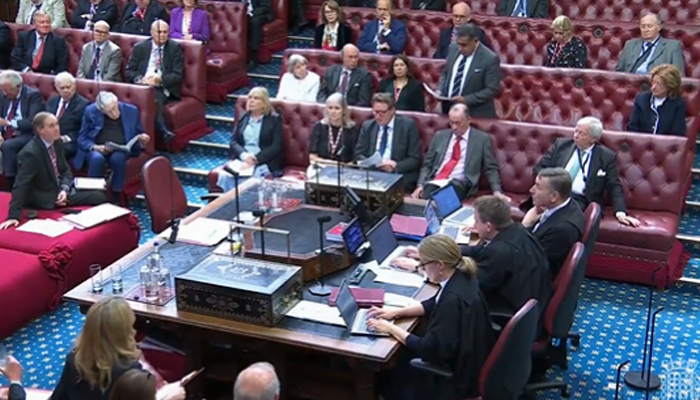
- Pakistan’s diplomatic efforts received recognition in the British Parliament, where members of the House of Lords praised the country’s role…
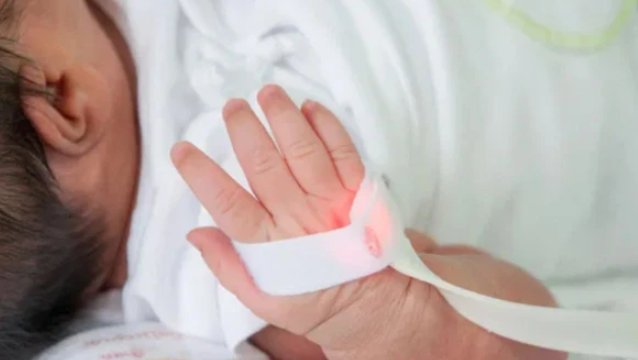
 Karachi is witnessing a worrying surge in congenital heart diseases among newborns, with medical experts warning that thousands of children…
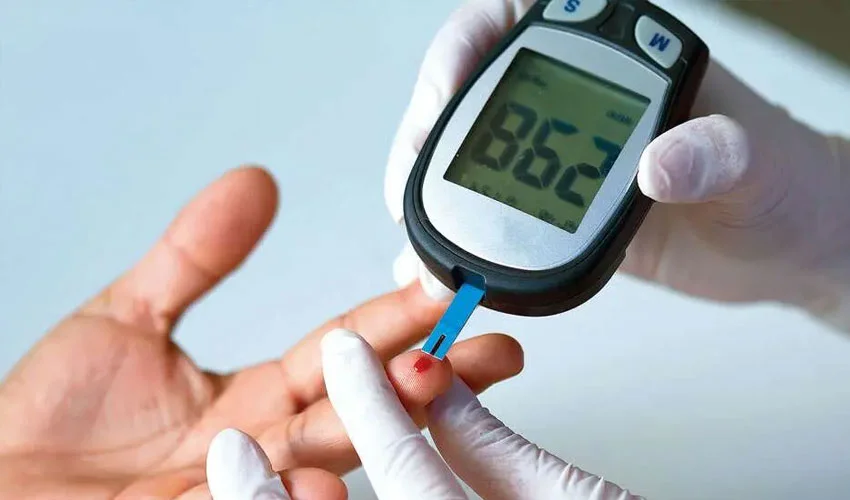
 Pakistan now has the highest diabetes rate in the world, according to the latest IDF report. The report shows that…
- South Africa, Eswatini, and Zambia have begun administering lenacapavir, a groundbreaking HIV-prevention injection, marking a major milestone in the fight…
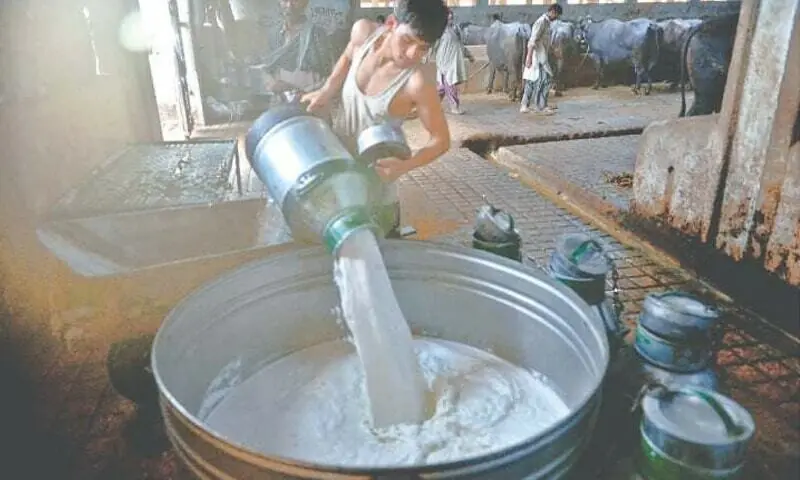
 KARACHI: The Sindh High Court’s Constitutional Bench was informed on Monday that all milk samples collected in Karachi are harmful…



- Pakistan’s poultry industry has voiced concerns over the federal budget…1 second ago
- The chief of Israel’s air force has revealed that a…6 minutes ago
- A light-hearted exchange between Indian Prime Minister Narendra Modi and…10 minutes ago
- Authorities have launched an investigation after a young man reportedly…13 minutes ago