


France moves closer to banning social media for under-15s
 Rabbia Zafar
|
1 month ago
Rabbia Zafar
|
1 month ago

France is advancing plans to restrict social media access for children under 15, as President Emmanuel Macron pushes for stricter digital safeguards aimed at protecting young users. The proposed legislation, currently under debate in parliament, could make France one of the first European Union countries to implement such a ban.
The lower house, known as the National Assembly, has already approved a bill requiring social media platforms to block new users under 15 and suspend existing accounts belonging to children in that age group. Authorities hope to enforce the law as early as September. However, the Senate has introduced amendments that may delay final approval, including a proposal for a two-tier system that distinguishes between harmful platforms and those accessible with parental consent.
The debate comes amid growing concern over the impact of platforms like TikTok, Snapchat, and Instagram on adolescent mental health. French officials, supported by advocacy from First Lady Brigitte Macron, argue that young users are increasingly vulnerable to cyberbullying and harmful content online.
Critics, however, warn that banning children from social media may be an oversimplified solution. Some child protection groups argue that platforms themselves should be held accountable rather than restricting access for minors. Others have described the proposal as excessive and difficult to enforce.
Implementation remains a key challenge. Effective age verification systems are still under development at the European Union level and are not expected to be fully operational until 2027. Concerns also persist that young users could bypass restrictions using virtual private networks or alternative platforms.
Despite these hurdles, France’s initiative reflects a broader global trend, with countries like Australia, Indonesia, and Austria introducing or considering similar measures to regulate children’s online activity.




Indian firm accused of bypassing US sanctions via Iran trade

UK raises terror alert after Golders Green stabbing attack



1 minute ago
18 minutes ago
2 hours ago
3 hours ago
4 hours ago
4 hours ago
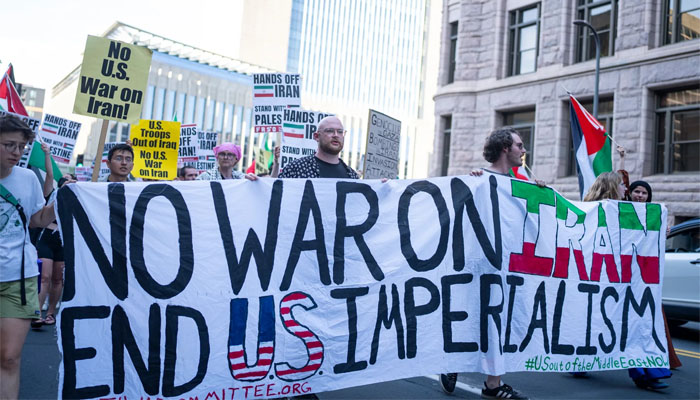
- A new survey shows that a majority of Americans believe the US military action against Iran was a mistake. The…
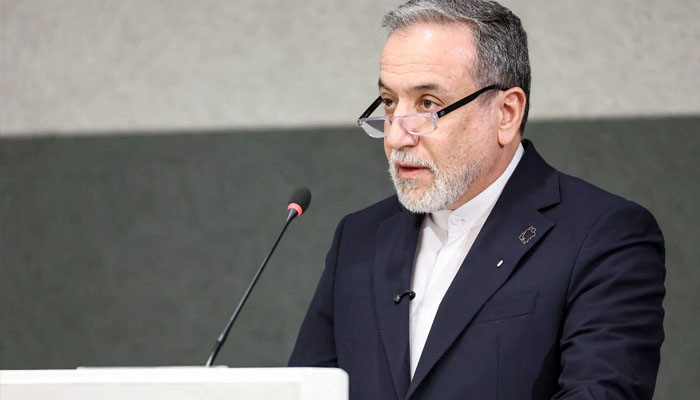
- Iran said diplomacy remains open if the United States changes its threatening tone, according to Foreign Minister Abbas Araghchi. He…
- Israel provided the UAE with an advanced laser defense system during the Iran war, according to a British newspaper report.…
 British authorities have charged a 45-year-old man with two counts of attempted murder following a stabbing attack in Golders Green,…
 The Healthcare Devices Association of Pakistan (HDAP) has raised serious concerns over the continued presence of banned reusable syringes in…
- Federal health authorities have ordered strict nationwide enforcement of a ban on conventional disposable syringes and initiated a policy review…
 Pakistan’s second national anti-polio campaign of 2026 is continuing across the country, with efforts now in its sixth day as…
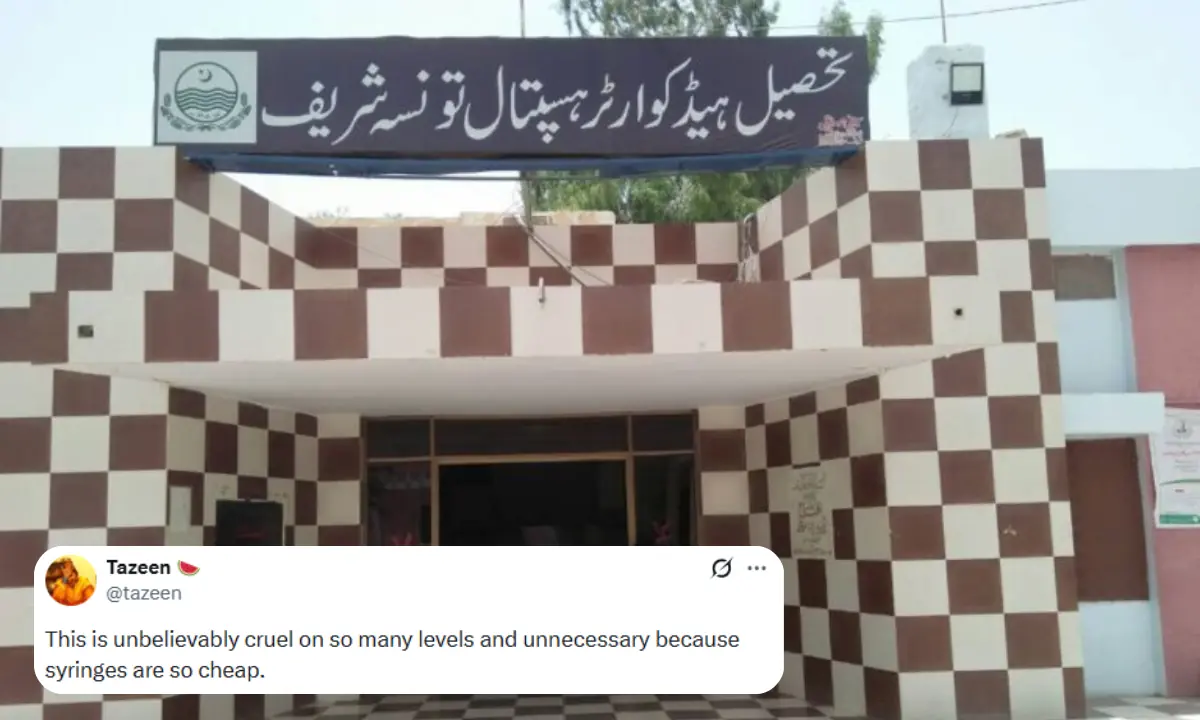
 A shocking report by BBC has triggered nationwide outrage in Pakistan after alleging severe medical malpractice at a Tehsil Headquarter…




- A new survey shows that a majority of Americans believe…1 minute ago
- Iran said diplomacy remains open if the United States changes…18 minutes ago
- Israel provided the UAE with an advanced laser defense system…2 hours ago
- The arrival of LNG has ended power load management, said…3 hours ago