


Germany to join talks with Iran and European partners on nuclear program and regional issues
 Web Desk
|
1 year ago
Web Desk
|
1 year ago

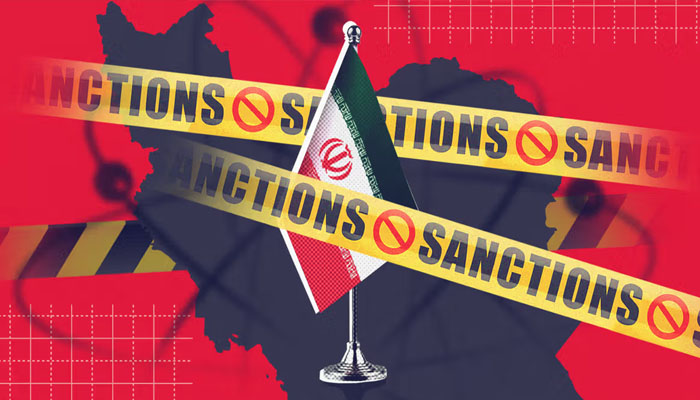
Germany has confirmed it will participate in upcoming talks with Iran and its European partners, the United Kingdom and France, to discuss a variety of critical issues, including the Islamic Republic’s nuclear program. The announcement was made by Christian Wagner, a spokesman for the German foreign ministry, during a press briefing in Berlin on Monday.
you may like




3 hours ago
3 hours ago
3 hours ago
4 hours ago
5 hours ago
6 hours ago
TRENDING NOW
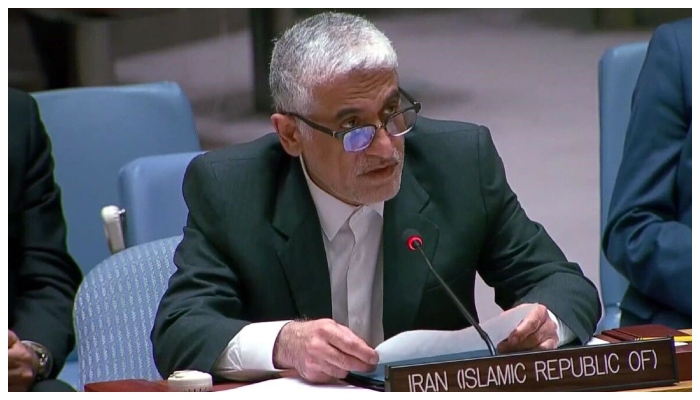
- Iran has formally protested to the United Nations following allegations that the United States seized Iranian-linked vessels in international waters.…
- US President Donald Trump has claimed that King Charles III agrees with the position that Iran should not possess nuclear…
- A recent statement by Sir Christian Turner, the United Kingdom’s ambassador to the United States, has sparked debate over the…
- The United States has imposed sanctions on 35 Iranian entities and individuals, increasing pressure on Iran’s financial network. Officials said…
MUST WATCH
 Federal health authorities have ordered strict nationwide enforcement of a ban on conventional disposable syringes and initiated a policy review…
 Pakistan’s second national anti-polio campaign of 2026 is continuing across the country, with efforts now in its sixth day as…
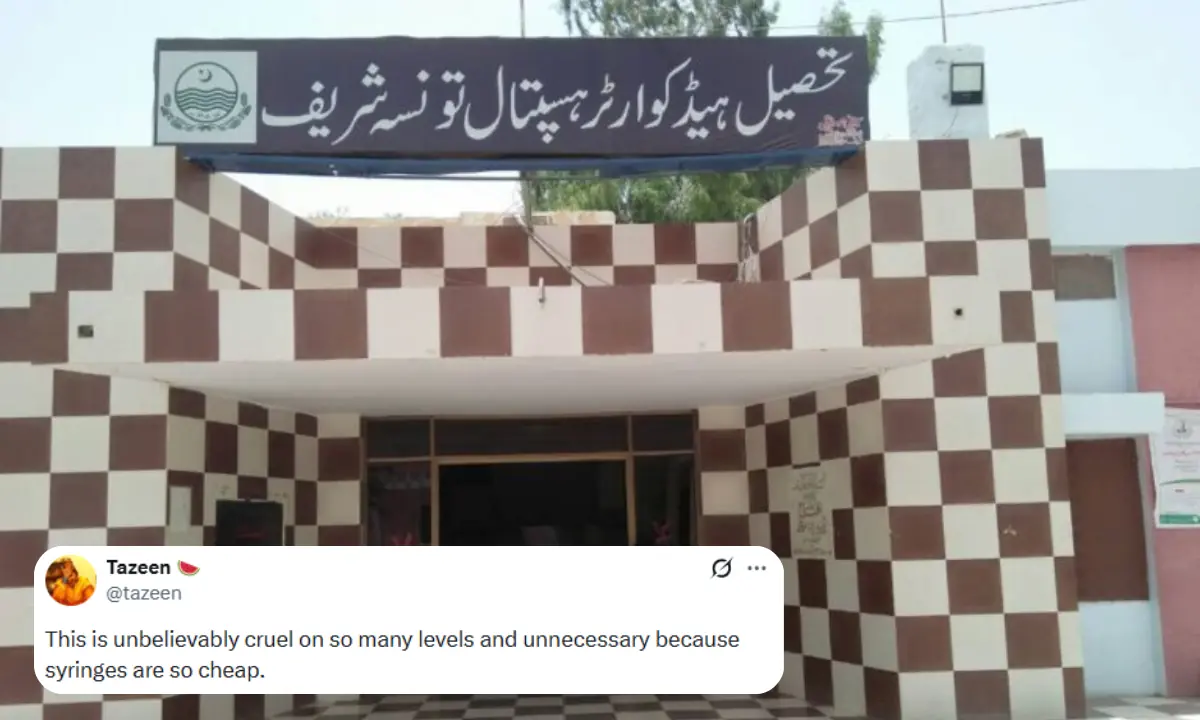
 A shocking report by BBC has triggered nationwide outrage in Pakistan after alleging severe medical malpractice at a Tehsil Headquarter…
 Pakistan’s second National Anti-Polio Campaign of 2026 is continuing across the country with full momentum, as health workers aim to…




INNOVATION
- Iran has formally protested to the United Nations following allegations…3 hours ago
- Germany has offered comprehensive support to Pakistan in coaching education…3 hours ago
- In Karachi and across Pakistan, gold prices have recorded a…3 hours ago
- Prime Minister Shehbaz Sharif has stated that ongoing tensions in…4 hours ago