


High Court Bans Unsafe Bags for Food Packing
 Web Desk
|
3 months ago
Web Desk
|
3 months ago

you may like



KP govt plans action against employees linked to terrorism
5 hours ago

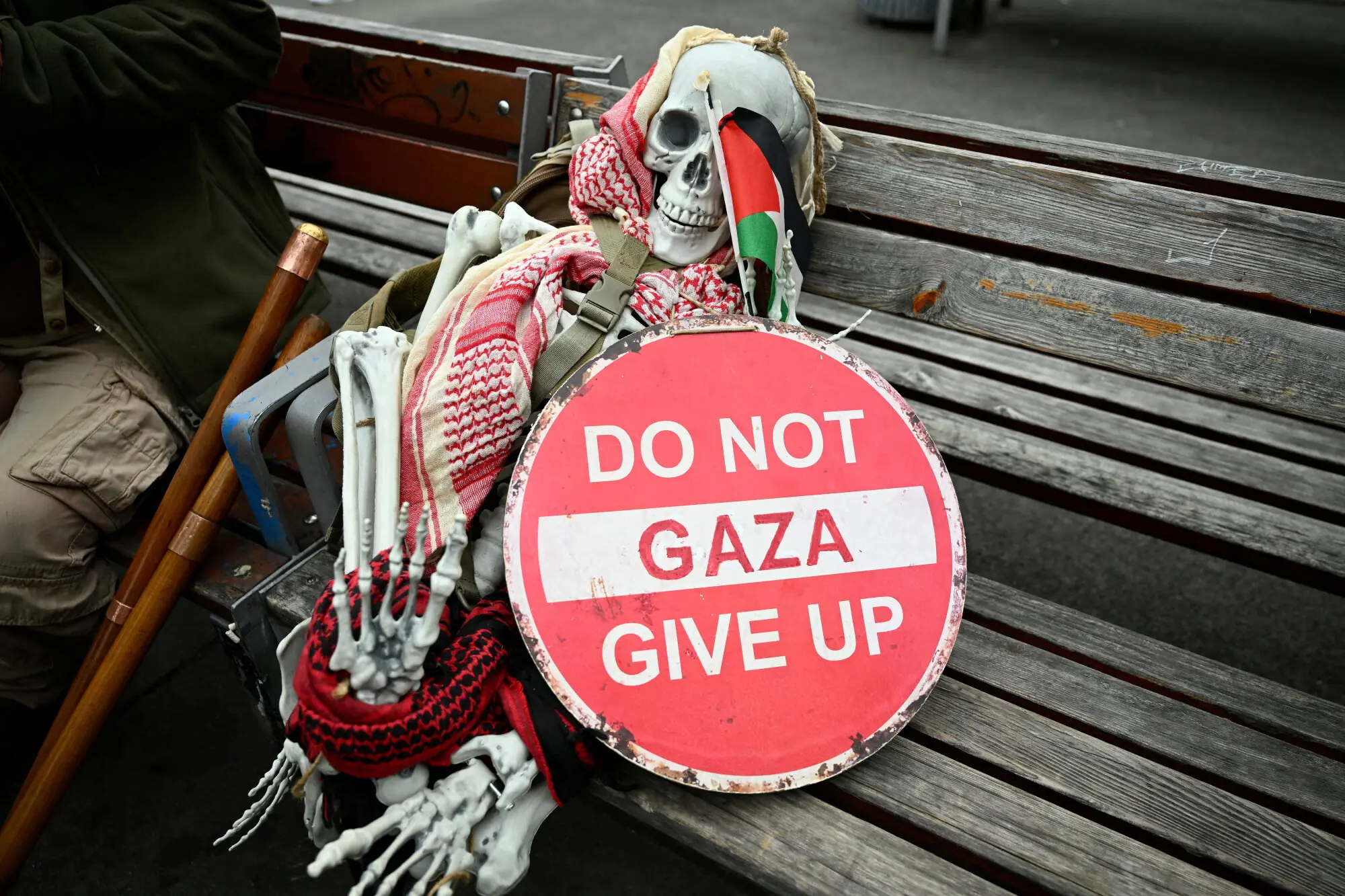
Eurovision crowd protests during Israeli contestant performance
5 hours ago
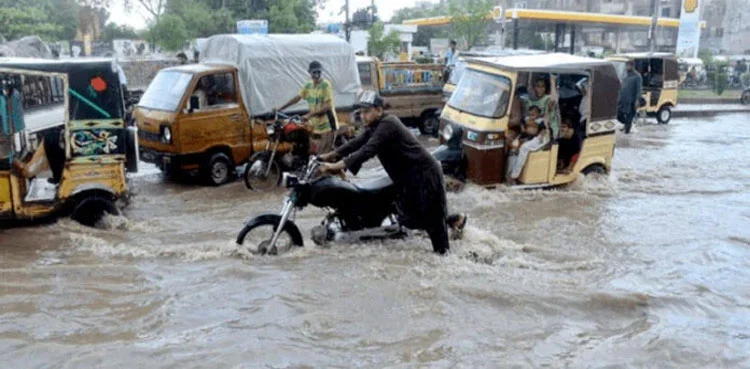



4 hours ago

4 hours ago
5 hours ago

5 hours ago
5 hours ago

5 hours ago
TRENDING NOW
- Indian Prime Minister Narendra Modi has reportedly reduced the size of his official motorcade as part of fuel-saving measures amid…
- Russian President Vladimir Putin has welcomed the latest test launch of the country’s strategic nuclear missile Sarmat, calling it “the…
 The Eurovision Song Contest faced renewed controversy on Tuesday after audience members protested during the performance of Israeli contestant Noam…
- At least 13 people were killed in a series of Israeli strikes in southern Lebanon on Tuesday, according to Lebanon’s…
MUST WATCH
 A major shift in medical terminology has been announced for Polycystic Ovarian Syndrome (PCOS), a common hormonal disorder affecting millions…
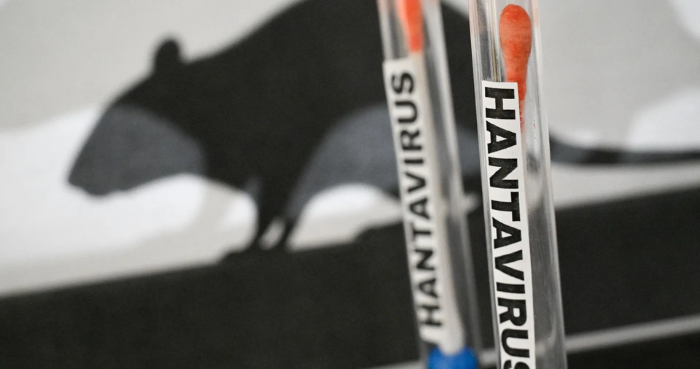
 Health authorities are working to contain a potential international spread of hantavirus after new suspected cases emerged across multiple countries,…
 The Indus Hospital, located in Karachi’s Korangi area, has earned widespread recognition for providing free and quality healthcare services to…
 The Healthcare Devices Association of Pakistan (HDAP) has raised serious concerns over the continued presence of banned reusable syringes in…




INNOVATION
- The first liquefied natural gas (LNG) cargo from Qatar in…4 hours ago
- Indian Prime Minister Narendra Modi has reportedly reduced the size…4 hours ago
- Singapore has strict public property laws, and even picking up…5 hours ago
- Russian President Vladimir Putin has welcomed the latest test launch…5 hours ago